加藤石春 Kato Sekishun - Chawan - Ceramic - Hinode Sunrise Tea Bowl



Opens Friday
Starting bid
€ 1
Add to your favourites to get an alert when the auction starts.

Expert
Selected by Marion Oliviero
Holds a master's in Chinese archaeology with extensive expertise in Japanese art.
Estimate € 200 - € 220
Catawiki Buyer Protection
Your payment’s safe with us until you receive your object.View details
Trustpilot 4.4 | 123536 reviews
Rated Excellent on Trustpilot.
Description from the seller
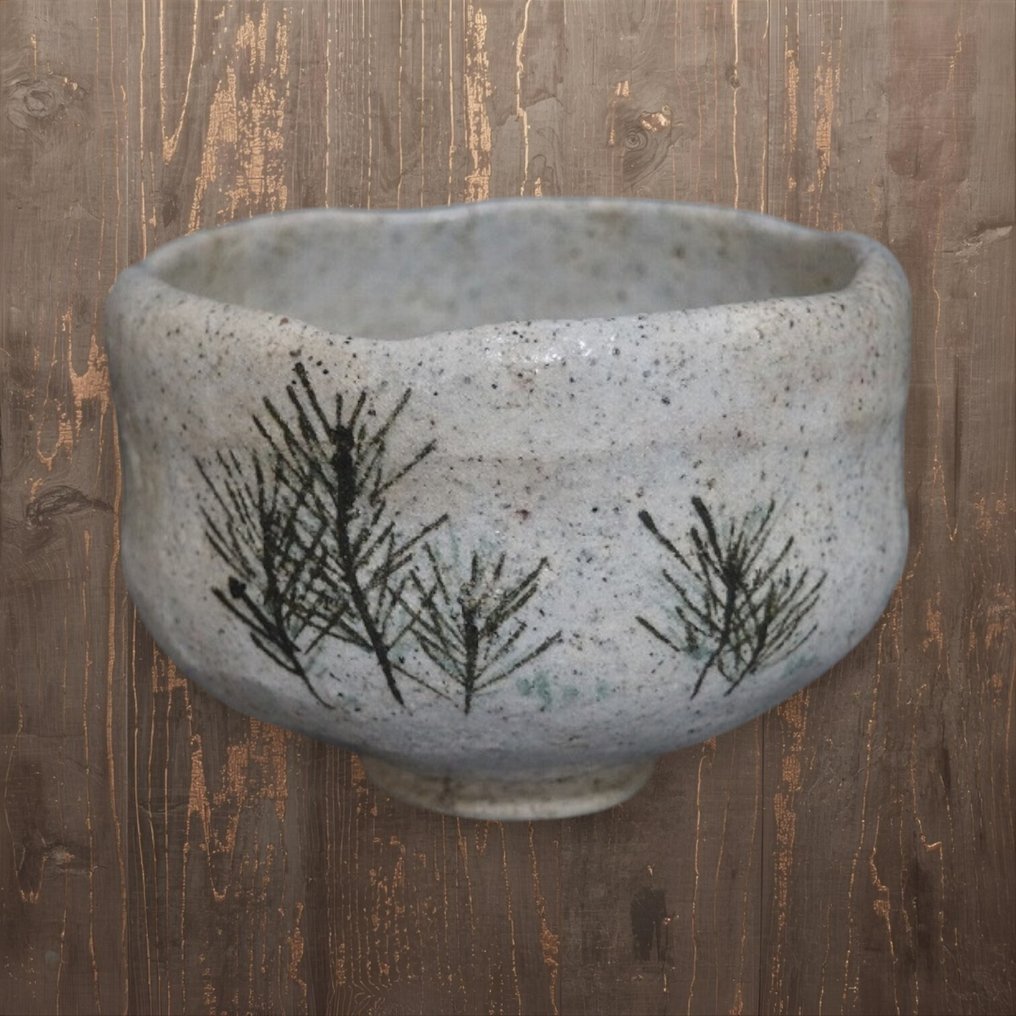
Katō Sekishun – “Wakamatsu” White Raku Tea Bowl
Authentic Original Work
This tea bowl, titled “Wakamatsu” (Young Pine), is a White Raku ware piece created by the renowned Japanese ceramicist Katō Sekishun (1868–1943).
The name “Wakamatsu” represents youthful pine, a symbol of longevity and prosperity in Japanese culture.
With its smooth white glaze and delicate Raku techniques, this tea bowl embodies the serene elegance and refined simplicity of traditional Japanese tea culture.
Sekishun’s Raku works are highly valued for their natural beauty and subtle variations in glaze, prized by tea practitioners and collectors alike.
Marketed pieces of this quality and provenance can fetch over ¥30,000, making them rare and sought-after.
This tea bowl was previously used in a tea ceremony, giving it a dignified presence.
Although the original wooden box is not included, the bowl bears Sekishun’s distinctive seal, confirming its authenticity.
Size
Diameter: approx. 11.8 cm
Height: approx. 8.2 cm
Condition
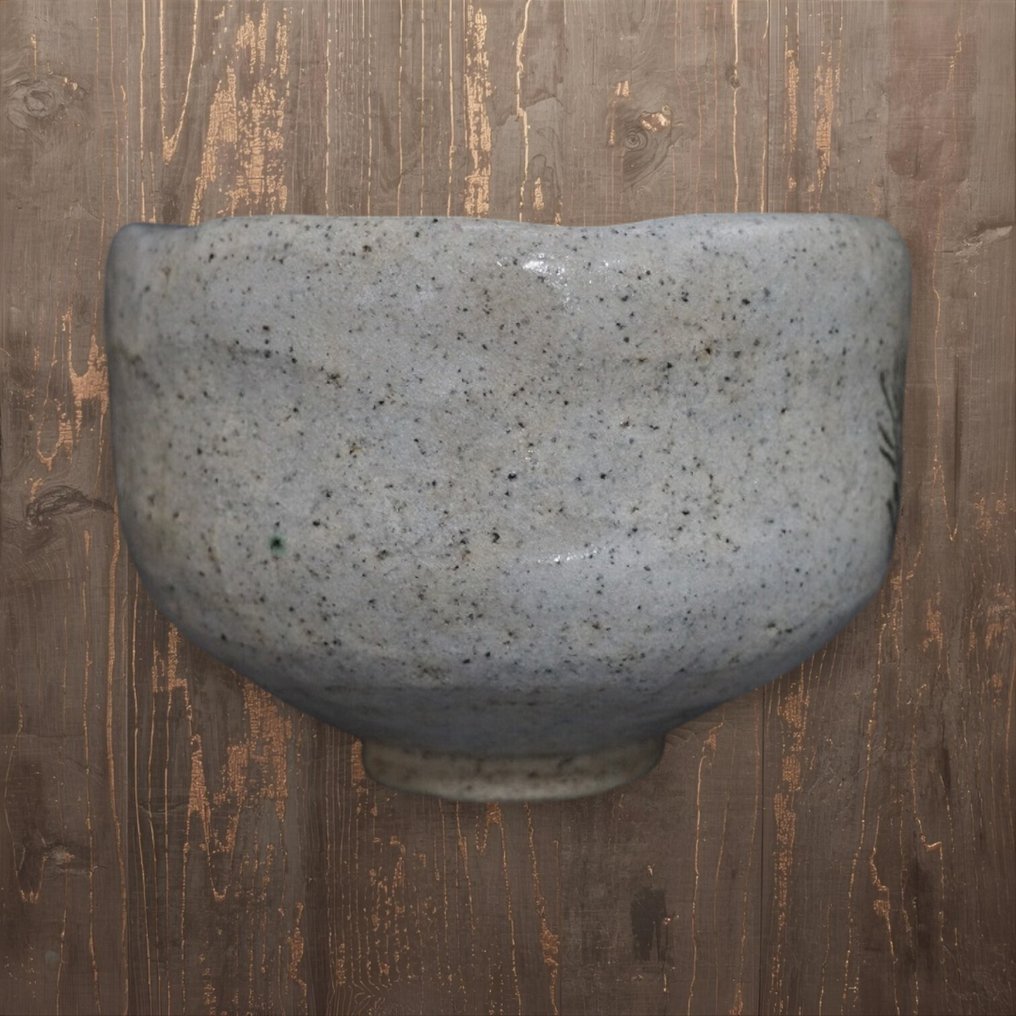
Minor discoloration or patina due to age
No major visible damage
Overall in very good condition for a historic tea bowl
About White Raku Tea Bowls
White Raku tea bowls are a classic form in Japanese tea culture, celebrated for their simplicity, warmth, and natural texture.
The “Wakamatsu” motif adds auspicious meaning, symbolizing longevity and prosperity, and brings a refined presence to any tea setting.
Each piece is unique; subtle differences in glaze, texture, and kiln effects create its individual character, which is highly valued by collectors and tea practitioners.
About the Artist
Katō Sekishun was a renowned Japanese ceramicist born in 1868. He was highly praised by Taisuke Itagaki, from whom he received the artist name “Sekishun.”
In 1914, he established a Raku kiln as part of the Nagoya ware tradition, and later founded the Karasumori Raku kiln.
Sekishun was known for his unique glazing technique called “Tatsuta-nishiki”, characterized by vivid colors and deep luster, requiring exceptional craftsmanship.
His works are highly regarded for their distinctive texture, beautiful coloration, and intricate designs, and they hold an important place in the history of Japanese ceramics.
About Japan Antique
One of the unique characteristics of Japanese pottery is that even pieces of the same shape can vary dramatically in price—sometimes several times, or even more than ten times—depending on subtle differences in color or pattern.
Each work is truly one of a kind, as the same design is never painted twice.
The price often reflects how beautiful the buyer finds the piece, or how strongly they feel they must have it, even if it means paying a high price.
This is one of the true joys of collecting Japanese antiques.
Generally speaking, both the item itself and its original box are more desirable when they are in clean condition.
However, in some cases, signs of age such as stains or scratches can actually enhance the sense of history and increase the item’s value.
This aspect is unpredictable, even for us.
Attention
Please carefully examine the photos to confirm the condition of the item.
Bids should be placed only if you are satisfied with the item as shown.
We are unable to accept returns or refunds due to change of mind or personal preference.
Depending on your country of residence, additional duties or import taxes may apply.
Please check your country’s regulations regarding import taxes or duties.
We are not responsible for any costs incurred in importing goods into the buyer’s country.
If the winning bidder cancels, all shipping costs and return import taxes will be the responsibility of the buyer.
Thank you for your understanding.
Katō Sekishun – “Wakamatsu” White Raku Tea Bowl
Authentic Original Work
This tea bowl, titled “Wakamatsu” (Young Pine), is a White Raku ware piece created by the renowned Japanese ceramicist Katō Sekishun (1868–1943).
The name “Wakamatsu” represents youthful pine, a symbol of longevity and prosperity in Japanese culture.
With its smooth white glaze and delicate Raku techniques, this tea bowl embodies the serene elegance and refined simplicity of traditional Japanese tea culture.
Sekishun’s Raku works are highly valued for their natural beauty and subtle variations in glaze, prized by tea practitioners and collectors alike.
Marketed pieces of this quality and provenance can fetch over ¥30,000, making them rare and sought-after.
This tea bowl was previously used in a tea ceremony, giving it a dignified presence.
Although the original wooden box is not included, the bowl bears Sekishun’s distinctive seal, confirming its authenticity.
Size
Diameter: approx. 11.8 cm
Height: approx. 8.2 cm
Condition
Minor discoloration or patina due to age
No major visible damage
Overall in very good condition for a historic tea bowl
About White Raku Tea Bowls
White Raku tea bowls are a classic form in Japanese tea culture, celebrated for their simplicity, warmth, and natural texture.
The “Wakamatsu” motif adds auspicious meaning, symbolizing longevity and prosperity, and brings a refined presence to any tea setting.
Each piece is unique; subtle differences in glaze, texture, and kiln effects create its individual character, which is highly valued by collectors and tea practitioners.
About the Artist
Katō Sekishun was a renowned Japanese ceramicist born in 1868. He was highly praised by Taisuke Itagaki, from whom he received the artist name “Sekishun.”
In 1914, he established a Raku kiln as part of the Nagoya ware tradition, and later founded the Karasumori Raku kiln.
Sekishun was known for his unique glazing technique called “Tatsuta-nishiki”, characterized by vivid colors and deep luster, requiring exceptional craftsmanship.
His works are highly regarded for their distinctive texture, beautiful coloration, and intricate designs, and they hold an important place in the history of Japanese ceramics.
About Japan Antique
One of the unique characteristics of Japanese pottery is that even pieces of the same shape can vary dramatically in price—sometimes several times, or even more than ten times—depending on subtle differences in color or pattern.
Each work is truly one of a kind, as the same design is never painted twice.
The price often reflects how beautiful the buyer finds the piece, or how strongly they feel they must have it, even if it means paying a high price.
This is one of the true joys of collecting Japanese antiques.
Generally speaking, both the item itself and its original box are more desirable when they are in clean condition.
However, in some cases, signs of age such as stains or scratches can actually enhance the sense of history and increase the item’s value.
This aspect is unpredictable, even for us.
Attention
Please carefully examine the photos to confirm the condition of the item.
Bids should be placed only if you are satisfied with the item as shown.
We are unable to accept returns or refunds due to change of mind or personal preference.
Depending on your country of residence, additional duties or import taxes may apply.
Please check your country’s regulations regarding import taxes or duties.
We are not responsible for any costs incurred in importing goods into the buyer’s country.
If the winning bidder cancels, all shipping costs and return import taxes will be the responsibility of the buyer.
Thank you for your understanding.
Details
Era
1900-2000
Title additional information
Hinode Sunrise Tea Bowl
No. of items
1
Material
Ceramic
Country of Origin
Japan
Designer/Artist/Maker
加藤石春 Kato Sekishun
Colour
White
Condition
Good condition - used with small signs of aging & blemishes
Height
8 cm
Width
12.3 cm
Estimated Period
1980-1990
Sold by
