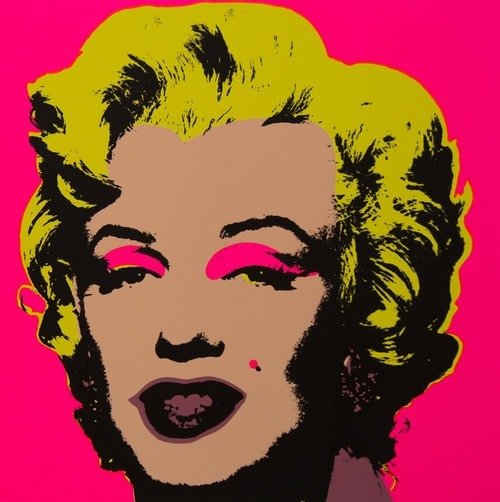
Andy Warhol (after) - Marilyn Monroe

04
days
20
hours
22
minutes
00
seconds

28 other people are watching this object
 Bidder 7094 Bidder 7094 | €325 | |
|---|---|---|
| Bidder 7094 | €61 | |
 Bidder 6754 Bidder 6754 | €56 | |
Catawiki Buyer Protection
Your payment’s safe with us until you receive your object.View details
Trustpilot 4.4 | 123193 reviews
Rated Excellent on Trustpilot.
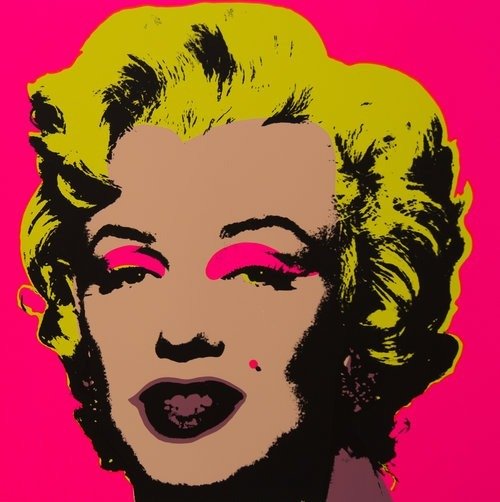
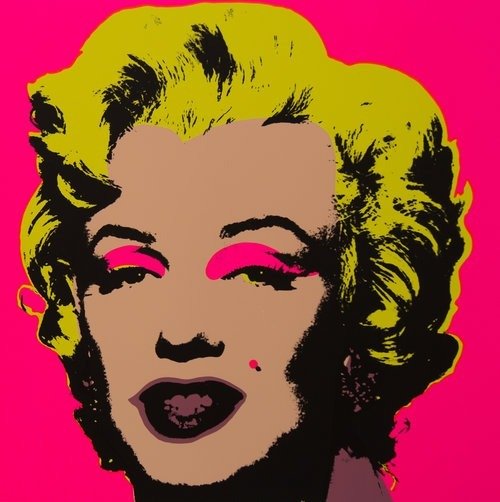
Andy Warhol (after) — Marilyn Monroe, screen print in colour, limited edition, 2011, 91 × 91 cm, portrait, not signed, Germany.
AI-assisted summary
Description from the seller
After Andy Warhol & Sunday B. Morning, Marilyn Monroe (pink), 1967.
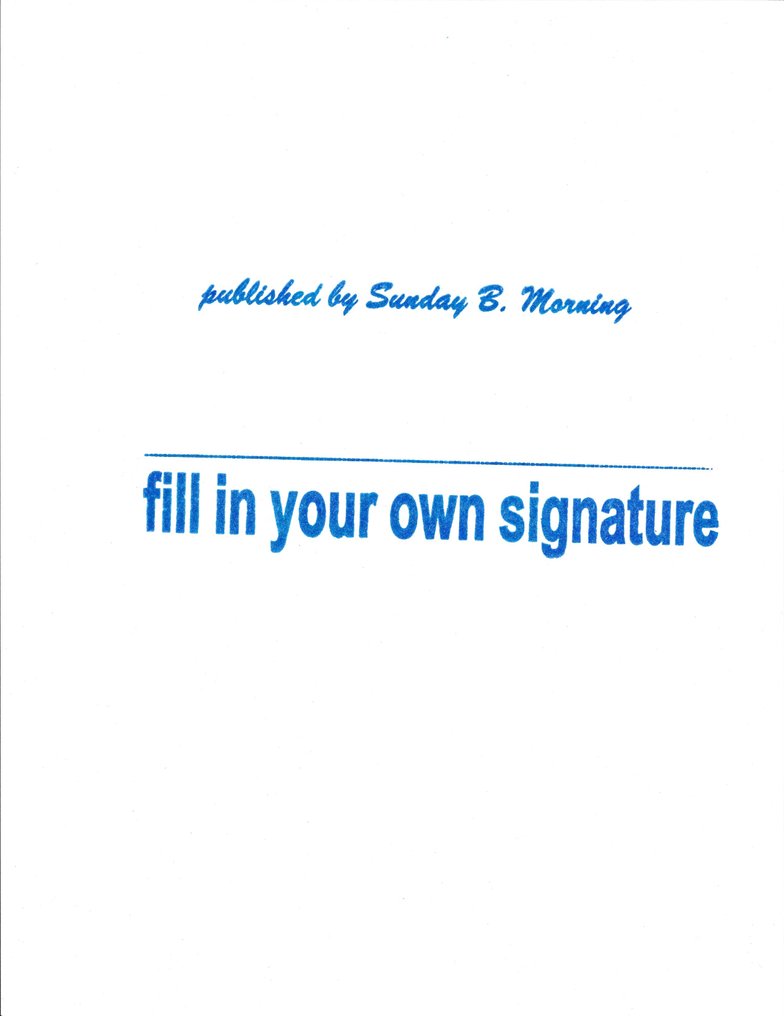
Screen print in color, 91 x 91 cm. Stamped on the back: Published by Sunday B. Morning
Provenance: Purchased from the publisher.
This print is an authorized version of Sunday B. Morning. The rights to these prints were purchased from the Dutch owners in the 2000s and may therefore be officially reproduced.
Biography
The American pop art artist Andy Warhol was born on August 6, 1928, as Andrew Warhola in Pittsburgh, Pennsylvania. His parents were Czechoslovakian immigrants. He initially trained as a window dresser before studying art history, pictorial design, sociology, and psychology at the Carnegie Institute of Technology in Pittsburgh from 1945 to 1949. Afterwards, he moved to New York, where he began calling himself Andy Warhol.
Until 1960, Warhol worked as a freelance advertising graphic designer for fashion magazines, as an illustrator, and as a window display decorator. The Art Directors Club awarded him medals in 1952 and 1957 for his design of newspaper advertisements. In 1952, Andy Warhol's first exhibition, 'Fifteen Drawings Based on the Writings of Truman Capote,' took place at the Hugo Gallery.
In 1962, the first series was created featuring 'Campbell’s soup cans' and 'Coca-Cola bottles,' as well as silkscreens with the motif of dollar bills. His studio, where numerous friends and assistants worked, was called the 'Factory' by Andy Warhol. His art now shaped the use of well-known motifs or symbols of everyday mass culture, and he employed mechanical serial production methods, such as silkscreen printing, which had previously been considered unartistic.
In 1962, Andy Warhol participated in the exhibition 'The New Realists' in New York. In the following years, Warhol's choice of subjects darkened. He created series featuring death and disaster images. Using silkscreen printing and intentionally in the poor image quality of newspaper printing, he depicted plane crashes, traffic accidents, crime, and atomic bomb explosions. With his cardboard and wooden sculptures that precisely imitate commercial packaging, Warhol also criticizes consumer and mass culture. Through his works, Andy Warhol shapes pop art.
In the 1960s, Andy Warhol also engaged with the medium of film. He developed a unique film aesthetic through simple techniques, long static camera shots, and the absence of editing and montage. In 1963, he created silent films such as 'Sleep', 'Kiss', and 'Eat', and in 1964, 'Empire'. The subsequent sound films, including 'Chelsea Girl' from 1966, were also shown at the Cannes Film Festival. Starting in 1966, Andy Warhol also collaborated with the rock band 'Velvet Underground' on shows for nightclubs.
In the 1970s, the pop art artist transferred Polaroid photos of famous personalities onto canvas using screen printing, including portraits such as 'Elvis Presley' (1964), 'Jackie Kennedy' (1965), 'Marilyn Monroe' (1967), and 'Mao Tse Tung' (1972).
In 1968, Andy Warhol was shot and critically injured by Valerie Solanas. In 1984, Warhol collaborated on projects with artists such as Jean-Michel Basquiat and Francesco Clemente.
Andy Warhol died on February 22, 1987, in New York.
After Andy Warhol & Sunday B. Morning, Marilyn Monroe (pink), 1967.
Screen print in color, 91 x 91 cm. Stamped on the back: Published by Sunday B. Morning
Provenance: Purchased from the publisher.
This print is an authorized version of Sunday B. Morning. The rights to these prints were purchased from the Dutch owners in the 2000s and may therefore be officially reproduced.
Biography
The American pop art artist Andy Warhol was born on August 6, 1928, as Andrew Warhola in Pittsburgh, Pennsylvania. His parents were Czechoslovakian immigrants. He initially trained as a window dresser before studying art history, pictorial design, sociology, and psychology at the Carnegie Institute of Technology in Pittsburgh from 1945 to 1949. Afterwards, he moved to New York, where he began calling himself Andy Warhol.
Until 1960, Warhol worked as a freelance advertising graphic designer for fashion magazines, as an illustrator, and as a window display decorator. The Art Directors Club awarded him medals in 1952 and 1957 for his design of newspaper advertisements. In 1952, Andy Warhol's first exhibition, 'Fifteen Drawings Based on the Writings of Truman Capote,' took place at the Hugo Gallery.
In 1962, the first series was created featuring 'Campbell’s soup cans' and 'Coca-Cola bottles,' as well as silkscreens with the motif of dollar bills. His studio, where numerous friends and assistants worked, was called the 'Factory' by Andy Warhol. His art now shaped the use of well-known motifs or symbols of everyday mass culture, and he employed mechanical serial production methods, such as silkscreen printing, which had previously been considered unartistic.
In 1962, Andy Warhol participated in the exhibition 'The New Realists' in New York. In the following years, Warhol's choice of subjects darkened. He created series featuring death and disaster images. Using silkscreen printing and intentionally in the poor image quality of newspaper printing, he depicted plane crashes, traffic accidents, crime, and atomic bomb explosions. With his cardboard and wooden sculptures that precisely imitate commercial packaging, Warhol also criticizes consumer and mass culture. Through his works, Andy Warhol shapes pop art.
In the 1960s, Andy Warhol also engaged with the medium of film. He developed a unique film aesthetic through simple techniques, long static camera shots, and the absence of editing and montage. In 1963, he created silent films such as 'Sleep', 'Kiss', and 'Eat', and in 1964, 'Empire'. The subsequent sound films, including 'Chelsea Girl' from 1966, were also shown at the Cannes Film Festival. Starting in 1966, Andy Warhol also collaborated with the rock band 'Velvet Underground' on shows for nightclubs.
In the 1970s, the pop art artist transferred Polaroid photos of famous personalities onto canvas using screen printing, including portraits such as 'Elvis Presley' (1964), 'Jackie Kennedy' (1965), 'Marilyn Monroe' (1967), and 'Mao Tse Tung' (1972).
In 1968, Andy Warhol was shot and critically injured by Valerie Solanas. In 1984, Warhol collaborated on projects with artists such as Jean-Michel Basquiat and Francesco Clemente.
Andy Warhol died on February 22, 1987, in New York.
Details
Artist
Andy Warhol (after)
Sold by
Owner or reseller
Edition
Limited edition
Title of artwork
Marilyn Monroe
Technique
Silkscreen
Signature
Not signed
Country of Origin
Germany
Year
2011
Condition
Good condition
Height
91 cm
Width
91 cm
Depiction/Theme
Portrait
Style
Pop Art
Period
2010-2020
Sold with frame
No
Sold by
