Ernest Thompson Seton & William J. Long - Seven Animal nature books for children by William J. Long and Ernest Thompson Seton - 1900-1925


10
days
03
hours
27
minutes
28
seconds

No bids placed
Catawiki Buyer Protection
Your payment’s safe with us until you receive your object.View details
Trustpilot 4.4 | 122986 reviews
Rated Excellent on Trustpilot.
Seven animal nature books for children by Ernest Thompson Seton and William J. Long, a hardback first edition English-language lot published between 1900 and 1925, in Good condition.
AI-assisted summary
Description from the seller
Nature books for children:
1) "Wilderness Ways" by William J. Long - Ginn, Boston - Wood Folk Series - 1900 first edition - 18cmx15cm - condition: very good, all illustrations present.
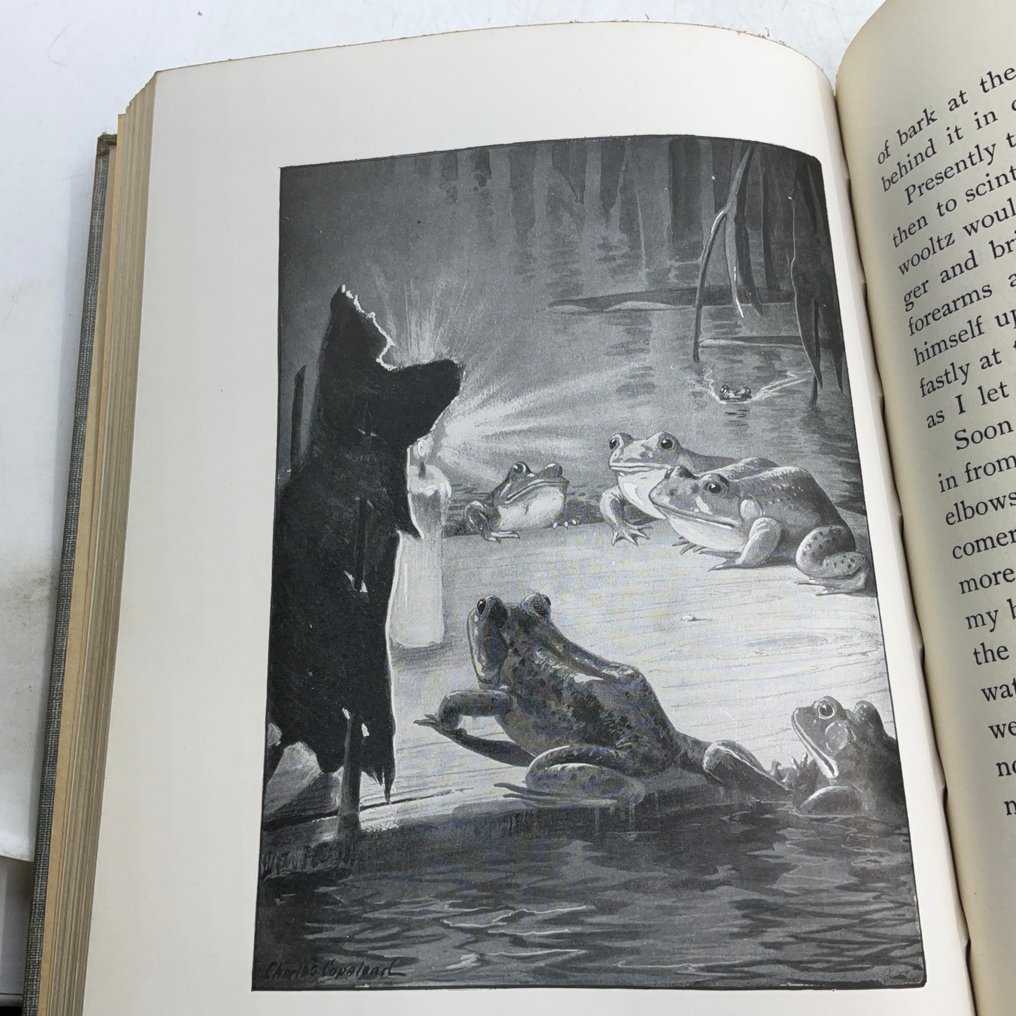
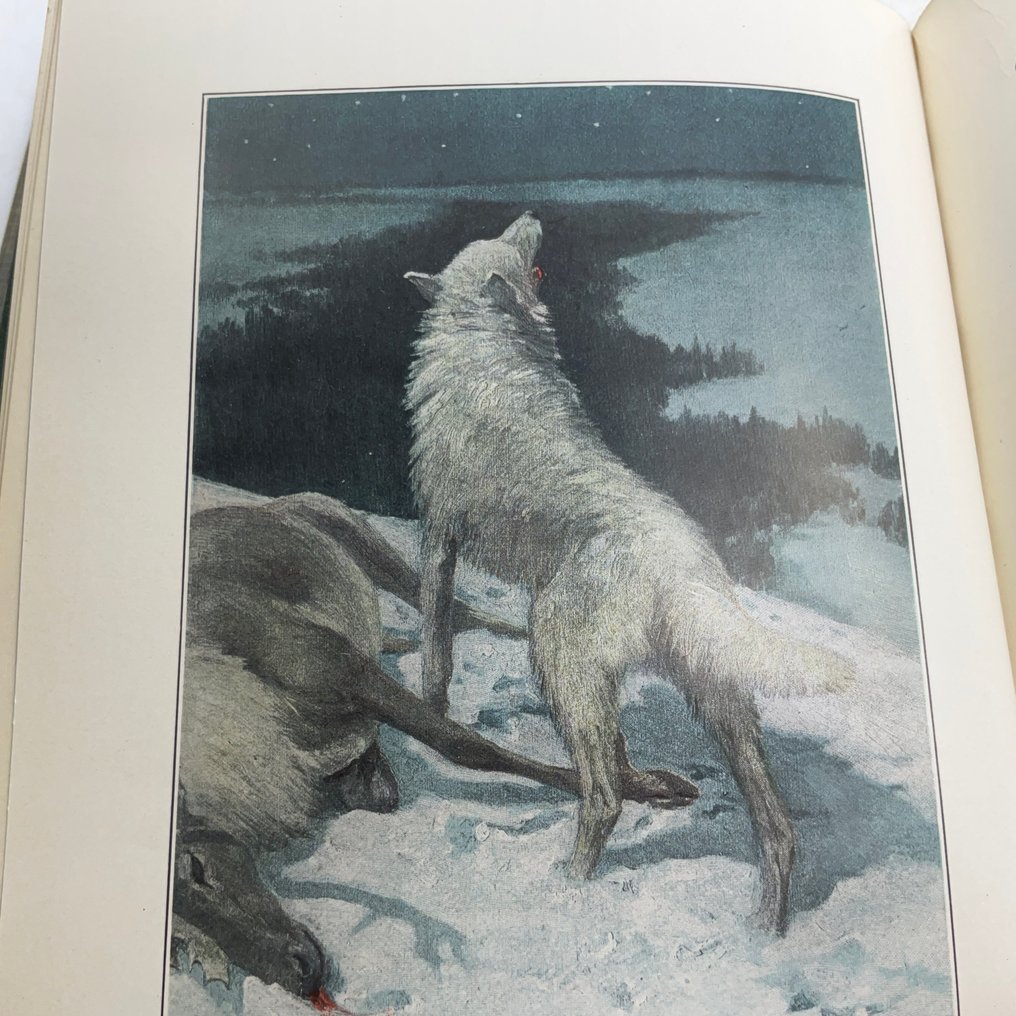
2 "Whose Home is The Wilderness" some studies of Wild Animal Life by William J. Long and ill. by Charles Copeland - Ginn, Boston - 1907 first edition - 18cmx15cm - condition: very good, all illustrations present
3 "Old Silver Grizzle - The Badger and other stories from Wild Animals at Home" by Ernest Thompson Seton - Hodder & Stoughton, London - ca 1925 first UK edition - 15cmx13cm - condition: good, some rubbing, in uniform binding, with all ill. present
4 "Chink, a woolly coated little dog and other stories from Lives of the Hunted and Wild Animals at Home" by Ernest Thompson Seton - Hodder & Stoughton, London - ca 1925 first UK edition - 15cmx13cm - condition: good, some rubbing, in uniform binding, with all ill. present
5 "The Trail of the Sandhill Stag" by Ernest Thompson Seton - Hodder & Stoughton, London - ca 1925 first UK edition - 15cmx13cm - condition: good, some rubbing, in uniform binding, with all ill. present
6 "Monarch - The Big Bear of Tallac" by Ernest Thompson Seton - Constable, London - 1920 first edition - 15cmx13cm - condition: very good, in original binding, Illustrated throughout with 100 black and white plates and illustrations by Thompson Seton
7 "Katug the Snow Child" by Ernest Thompson Seton and ill. by Gordon Browne - Basil Blackwell, Oxford - 15cmx13cm - condition: original binding with some wear and rubbing, some scribbling.
Seton was an early pioneer of the modern school of animal fiction writing, his most popular work being Wild Animals I Have Known (1898), which contains the story of his killing of the wolf Lobo. Four stories from this collection would be republished as Lobo, Rag, and Vixen (1900). He later became involved in a literary debate known as the nature fakers controversy, after John Burroughs published an article in 1903 in the Atlantic Monthly attacking writers of sentimental animal stories. The controversy lasted for four years and included important American environmental and political figures of the day, including President Theodore Roosevelt
William Joseph Long (3 April 1867[1] – 1952) was an American writer, naturalist and minister. He lived and worked in Stamford, Connecticut as a minister of the First Congregationalist Church.
As a naturalist, he would leave Stamford every March, often with his son, Brian, and two daughters, Lois and Cesca, to travel to "the wilderness" of Maine. There they would stay until the first snows of October, although sometimes he would stay all winter. In the 1920s, he began spending his summers in Nova Scotia, claiming "the wilderness is getting too crowded".
He wrote of these wilderness experiences in the books Ways of Wood Folk, Wilderness Ways, Wood-folk Comedies, Northern Trails, Wood Folk at School, and many others. His earlier books were illustrated by Charles Copeland; two later ones were illustrated by Charles Livingston Bull. Long believed that the best way to experience the wild was to "plant yourself and sit for hours on end to let the wild come to you; and they will
Nature books for children:
1) "Wilderness Ways" by William J. Long - Ginn, Boston - Wood Folk Series - 1900 first edition - 18cmx15cm - condition: very good, all illustrations present.
2 "Whose Home is The Wilderness" some studies of Wild Animal Life by William J. Long and ill. by Charles Copeland - Ginn, Boston - 1907 first edition - 18cmx15cm - condition: very good, all illustrations present
3 "Old Silver Grizzle - The Badger and other stories from Wild Animals at Home" by Ernest Thompson Seton - Hodder & Stoughton, London - ca 1925 first UK edition - 15cmx13cm - condition: good, some rubbing, in uniform binding, with all ill. present
4 "Chink, a woolly coated little dog and other stories from Lives of the Hunted and Wild Animals at Home" by Ernest Thompson Seton - Hodder & Stoughton, London - ca 1925 first UK edition - 15cmx13cm - condition: good, some rubbing, in uniform binding, with all ill. present
5 "The Trail of the Sandhill Stag" by Ernest Thompson Seton - Hodder & Stoughton, London - ca 1925 first UK edition - 15cmx13cm - condition: good, some rubbing, in uniform binding, with all ill. present
6 "Monarch - The Big Bear of Tallac" by Ernest Thompson Seton - Constable, London - 1920 first edition - 15cmx13cm - condition: very good, in original binding, Illustrated throughout with 100 black and white plates and illustrations by Thompson Seton
7 "Katug the Snow Child" by Ernest Thompson Seton and ill. by Gordon Browne - Basil Blackwell, Oxford - 15cmx13cm - condition: original binding with some wear and rubbing, some scribbling.
Seton was an early pioneer of the modern school of animal fiction writing, his most popular work being Wild Animals I Have Known (1898), which contains the story of his killing of the wolf Lobo. Four stories from this collection would be republished as Lobo, Rag, and Vixen (1900). He later became involved in a literary debate known as the nature fakers controversy, after John Burroughs published an article in 1903 in the Atlantic Monthly attacking writers of sentimental animal stories. The controversy lasted for four years and included important American environmental and political figures of the day, including President Theodore Roosevelt
William Joseph Long (3 April 1867[1] – 1952) was an American writer, naturalist and minister. He lived and worked in Stamford, Connecticut as a minister of the First Congregationalist Church.
As a naturalist, he would leave Stamford every March, often with his son, Brian, and two daughters, Lois and Cesca, to travel to "the wilderness" of Maine. There they would stay until the first snows of October, although sometimes he would stay all winter. In the 1920s, he began spending his summers in Nova Scotia, claiming "the wilderness is getting too crowded".
He wrote of these wilderness experiences in the books Ways of Wood Folk, Wilderness Ways, Wood-folk Comedies, Northern Trails, Wood Folk at School, and many others. His earlier books were illustrated by Charles Copeland; two later ones were illustrated by Charles Livingston Bull. Long believed that the best way to experience the wild was to "plant yourself and sit for hours on end to let the wild come to you; and they will
Details
Number of Books
7
Subject
Children's books, Literature, Natural History
Book Title
Seven Animal nature books for children by William J. Long and Ernest Thompson Seton
Author/ Illustrator
Ernest Thompson Seton & William J. Long
Condition
Good
Publication year oldest item
1900
Publication year youngest item
1925
Edition
1st Edition
Language
English
Original language
Yes
Binding/ Material
Hardback
Number of pages
0
Sold by
