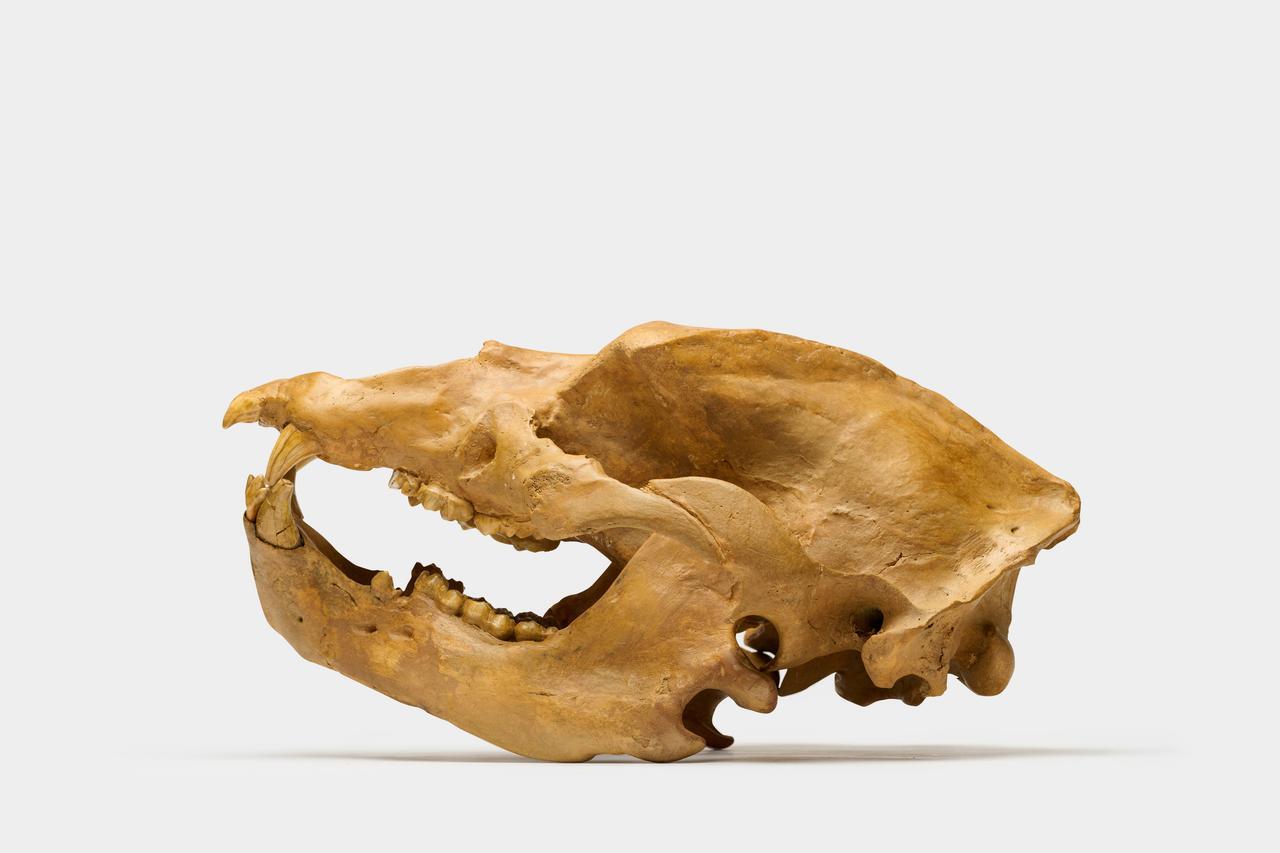
Granchio - Scheletro fossile - 85 mm - 100 mm (Senza prezzo di riserva)


Tutela degli acquirenti Catawiki
Il tuo pagamento è al sicuro con noi finché non ricevi il tuo oggetto.Mostra dettagli
Trustpilot 4.4 | 130088 recensioni
Valutato Eccellente su Trustpilot.
Fossile di granchio Potamon sp. proveniente dal bacino Denizli, Turcia sudoccidentale, Pleistocene, stato naturale, autenticità originale, peso 702 g, dimensioni 55 × 42 × 16 mm, incastonato in travertino.
Descrizione del venditore
Raro esemplare. Granchio gigante
SPECIES
Potamon sp.
AGE
Pleistocene (400.000+ years)
LOCATION
Denizli Basin, Southwest Turkey
FORMATION
Depositi di travertino
WEIGHT 702 Gr.
SIZE
Granchio 55 mm * 42 mm * 16 mm
Roccia 100 mm x 85 mm x 37 mm
This is a spectacular fossil freshwater crab (Potamon sp) preserved in travertine from the Denizli Basin in Southwest Turkey. The crab itself is 5.5 cm wide and exhibits amazingly detailed, 3d preservation. It's totally coated and preserved as a three-dimensional outer cast within a natural cavity of a white travertine matrix. It is covered by an inorganic film of calcium carbonate.
Travertine is a type of limestone that forms around mineral springs. It is often quarried for use as a building material, and that is how these crabs were discovered, during the quarrying of the stone slabs. The travertine deposits in the Denizli Basin are Pleistocene in age, having been formed within the past 400,000 years.
Raro esemplare. Granchio gigante
SPECIES
Potamon sp.
AGE
Pleistocene (400.000+ years)
LOCATION
Denizli Basin, Southwest Turkey
FORMATION
Depositi di travertino
WEIGHT 702 Gr.
SIZE
Granchio 55 mm * 42 mm * 16 mm
Roccia 100 mm x 85 mm x 37 mm
This is a spectacular fossil freshwater crab (Potamon sp) preserved in travertine from the Denizli Basin in Southwest Turkey. The crab itself is 5.5 cm wide and exhibits amazingly detailed, 3d preservation. It's totally coated and preserved as a three-dimensional outer cast within a natural cavity of a white travertine matrix. It is covered by an inorganic film of calcium carbonate.
Travertine is a type of limestone that forms around mineral springs. It is often quarried for use as a building material, and that is how these crabs were discovered, during the quarrying of the stone slabs. The travertine deposits in the Denizli Basin are Pleistocene in age, having been formed within the past 400,000 years.