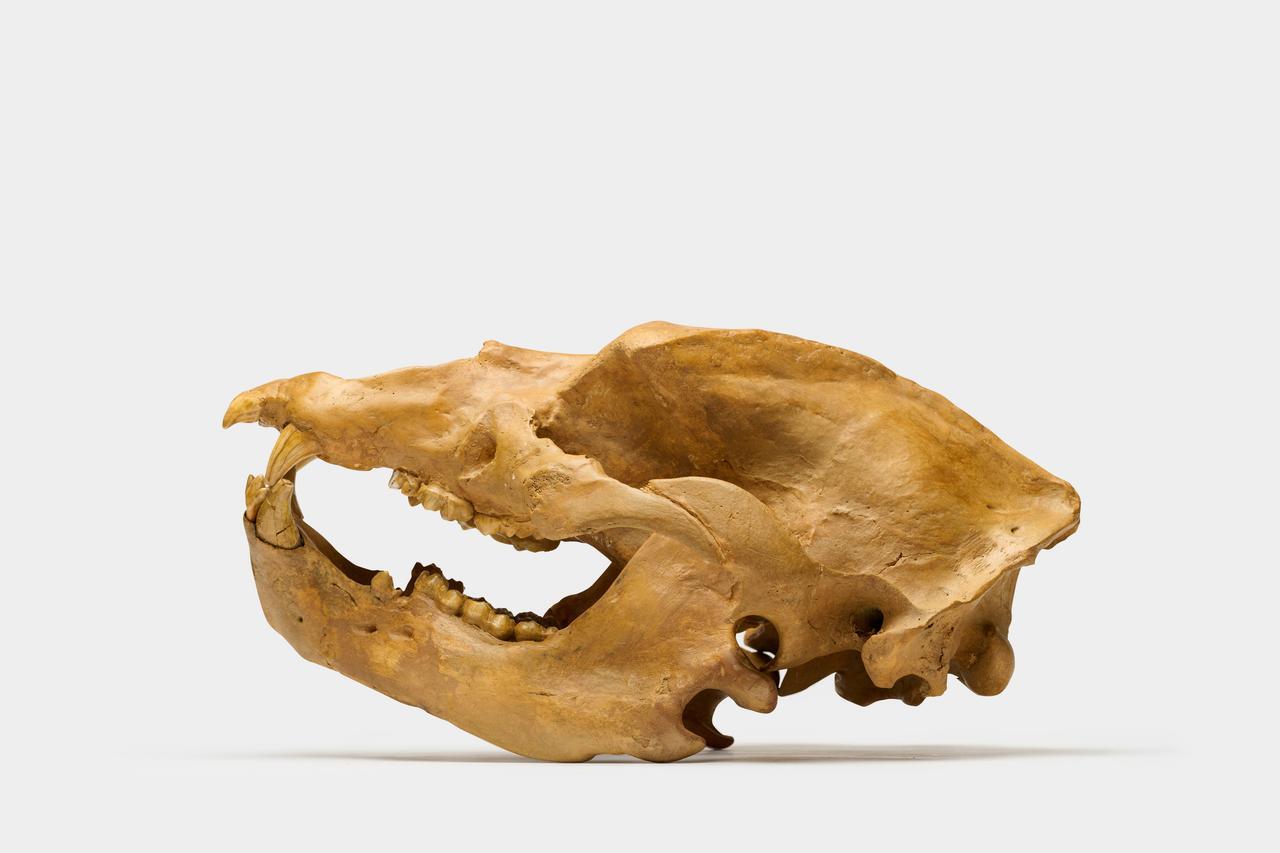
Ammonite - Animale fossilizzato - Perisphincets - 27.5 cm - 24 cm


03
giorni
23
ore
56
minuti
35
secondi
Offerta attuale
€ 2
Prezzo di riserva non raggiunto

 | 2 € | |
|---|---|---|
 | 1 € |
Tutela degli acquirenti Catawiki
Il tuo pagamento è al sicuro con noi finché non ricevi il tuo oggetto.Mostra dettagli
Trustpilot 4.4 | 139338 recensioni
Valutato Eccellente su Trustpilot.
Nome scientifico Perisphincets; Campione ammonite; Periodo geologico Jurassico; Condizione Naturale.
Riepilogo creato con l’aiuto dell’IA
Descrizione del venditore
Ammonite fossilizzata ben conservata featuring a classic planispiral shell with clearly defined radial ribs. The surface shows natural mineralization in beige and light brown tones, typical of sedimentary rock fossilization. The central whorl (umbilicus) is intact, while minor erosion on the outer edges highlights the fossil’s natural geological history. Overall, the specimen displays excellent structural detail and strong visual appeal, making it ideal for collectors, educational purposes, or decorative display.
These were marine animals characterized by an external shell composed mainly of calcium carbonate in the form of aragonite, along with a smaller portion of an organic, protein-based substance (conchiolin). The shell was internally divided by septa into multiple chambers, of which the mollusk occupied only the last one (the living chamber). The others, which formed the phragmocone (the chambered part of the shell), were used as “air chambers” (similar to the modern Nautilus), filled with gas and cameral fluid to control the organism’s buoyancy.
The pressure of the cameral fluids was regulated by a thin, vascularized tubular organic structure, partially mineralized (the siphuncle), which passed through all the septa and allowed fluid exchange between the animal’s blood and soft tissues and the chambers through an osmotic process.
Ammonite fossilizzata ben conservata featuring a classic planispiral shell with clearly defined radial ribs. The surface shows natural mineralization in beige and light brown tones, typical of sedimentary rock fossilization. The central whorl (umbilicus) is intact, while minor erosion on the outer edges highlights the fossil’s natural geological history. Overall, the specimen displays excellent structural detail and strong visual appeal, making it ideal for collectors, educational purposes, or decorative display.
These were marine animals characterized by an external shell composed mainly of calcium carbonate in the form of aragonite, along with a smaller portion of an organic, protein-based substance (conchiolin). The shell was internally divided by septa into multiple chambers, of which the mollusk occupied only the last one (the living chamber). The others, which formed the phragmocone (the chambered part of the shell), were used as “air chambers” (similar to the modern Nautilus), filled with gas and cameral fluid to control the organism’s buoyancy.
The pressure of the cameral fluids was regulated by a thin, vascularized tubular organic structure, partially mineralized (the siphuncle), which passed through all the septa and allowed fluid exchange between the animal’s blood and soft tissues and the chambers through an osmotic process.
Dettagli
Esemplare
Ammonite
Nome scientifico
Perisphincets
Paese d’origine
Madagascar
Periodo geologico
Giurassico (201,3 - 145 milioni di anni)
Condizione
Naturale
Peso
7,73 kg
Altezza
27,5 cm
Larghezza
24 cm
Autenticità
Originale/ufficiale
Venduto da