N. 106550955

N. 106550955
100% original from the early 90s! Comes with a licensed certificate. Not a recent reprint.
Comes without frame
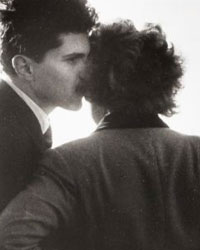
Original André de Pleassel Signed 1990s Nude Photograph
* Original 1990s photographic artwork, presented as an authentic period print
* Hand-signed by André de Pleassel, adding an important element of authorship and collectability
* Nude fine-art photography with a distinctly sophisticated, fashion-oriented aesthetic
* Black-and-white imagery emphasizing sculptural form, contrast, light and atmosphere
* Vintage photographic character that reflects the visual language of late-20th-century editorial and glamour photography
* Approx. 60 cm wide, making it a substantial statement piece for a private collection, gallery wall or refined interior
* A particularly appealing object for collectors of vintage photography, signed prints, fashion imagery and 1990s visual culture
This original signed photograph by André de Pleassel, dating from the 1990s, is a striking example of late-20th-century fine-art photography in which the human figure becomes the central vehicle for composition, atmosphere and visual expression. Rather than functioning simply as a conventional portrait, the work belongs to the broader tradition of nude photography, where posture, lighting, styling, texture and tonal balance are used to create a carefully constructed photographic image.
The photograph possesses an unmistakably vintage character. Its monochromatic presentation gives the image a timeless quality, while the pronounced tonal range creates an interplay between highlights, shadows and midtones. The resulting aesthetic is simultaneously elegant and dramatic, recalling the sophisticated visual vocabulary associated with fashion photography, editorial imagery, studio portraiture and collectible photographic prints of the late twentieth century.
The model is presented with a composed, confident presence, while the surrounding visual elements contribute to the overall cinematic character of the image. Accessories, hairstyle, eyewear and jewellery introduce an unmistakable period sensibility, making the work particularly interesting from the perspective of 1990s fashion history and photographic culture. The combination of glamour, sensuality and carefully controlled composition gives the photograph an atmosphere that feels characteristic of an era when fashion imagery increasingly moved between commercial photography, celebrity culture and fine-art practice.
An important feature of this example is the original handwritten signature. For collectors, a signed photographic work has a fundamentally different presence from an unsigned reproduction or contemporary decorative poster. The autograph establishes a direct physical connection between the artist and the object, while also increasing its desirability as a collectible work. The signature is particularly significant when considering the photograph as an individual piece rather than simply as an image.
The substantial format, measuring approximately 60 cm in width, further enhances its visual impact. At this scale, the work can function as a genuine focal point within an interior rather than merely as a small photographic accent. It would be particularly well suited to a carefully curated collection of photography, fashion, modern art, portraiture or twentieth-century design, and could sit naturally within both a contemporary apartment and a more traditional collector’s environment.
The physical appearance of an original period photograph is also part of its appeal. Unlike modern digital reproductions, an older photographic object carries the material qualities associated with its production period: photographic paper, analogue tonal characteristics, surface texture and the subtle visual irregularities that distinguish an original object from a newly produced copy. These qualities contribute considerably to the authenticity and tactile character of vintage photographic collecting.
From an art-historical perspective, the work can be appreciated within the continuing development of the photographic nude. The genre has a long and important history, extending from early photographic experimentation through modernist studio practice, fashion imagery and contemporary fine-art photography. During the 1990s, photographers frequently explored the relationship between the body, fashion, identity, glamour and commercial visual culture, producing images that occupied an interesting space between editorial photography and collectible art.
This particular photograph therefore has several layers of appeal. It offers the visual attraction of fashion, the compositional qualities of portrait photography, the historical interest of a 1990s object, and the additional collectible dimension of a handwritten artist’s signature. Its monochrome treatment also prevents the work from becoming overly tied to a particular contemporary colour palette, allowing the image to retain a strong decorative and artistic presence decades after its creation.
For collectors interested in vintage prints, the work represents an opportunity to acquire an original photographic object with a distinctly period-specific identity. The late-1990s aesthetic remains particularly relevant today, as renewed interest in analogue photography, archival fashion imagery and retro visual culture has brought many photographic works from this period back into focus.
The image would work especially well in a minimalist interior, private library, dressing room, photography collection, boutique hotel, fashion-oriented environment or carefully curated gallery setting. A restrained frame would allow the monochrome image to remain the dominant visual element while emphasizing its architectural proportions and substantial dimensions.
Most importantly, this is presented as an original signed photographic work, rather than a generic reproduction. The combination of period, scale, photographic subject, monochrome technique, fashion sensibility, analogue character and autograph gives the piece a distinctive collector-oriented profile.
For a Catawiki audience, its strongest qualities are therefore its originality, signature, substantial dimensions, vintage provenance as a 1990s photographic object, sophisticated monochrome aesthetic and connection to the tradition of collectible nude and fashion photography. It is an expressive piece that can appeal equally to enthusiasts of photography, fashion history, vintage interiors, glamour imagery and twentieth-century visual culture.
The photograph’s restrained yet immediately recognisable visual language makes it especially suitable for collectors seeking something more distinctive than mass-produced wall decoration. Its period character and signed status provide an additional sense of individuality, while the generous format ensures that it retains considerable presence when displayed.
A compelling addition to a collection devoted to photographic art, fashion history, analogue imagery or late-20th-century design, this signed André de Pleassel photograph combines historical atmosphere with the enduring visual power of black-and-white photography. Its sophisticated presentation, substantial scale and original handwritten signature make it an intriguing collectible for anyone looking to acquire an individual photographic work rather than a contemporary reproduction.
Come fare acquisti su Catawiki
1. Scopri oggetti speciali
2. Fai l’offerta più alta
3. Paga in tutta sicurezza