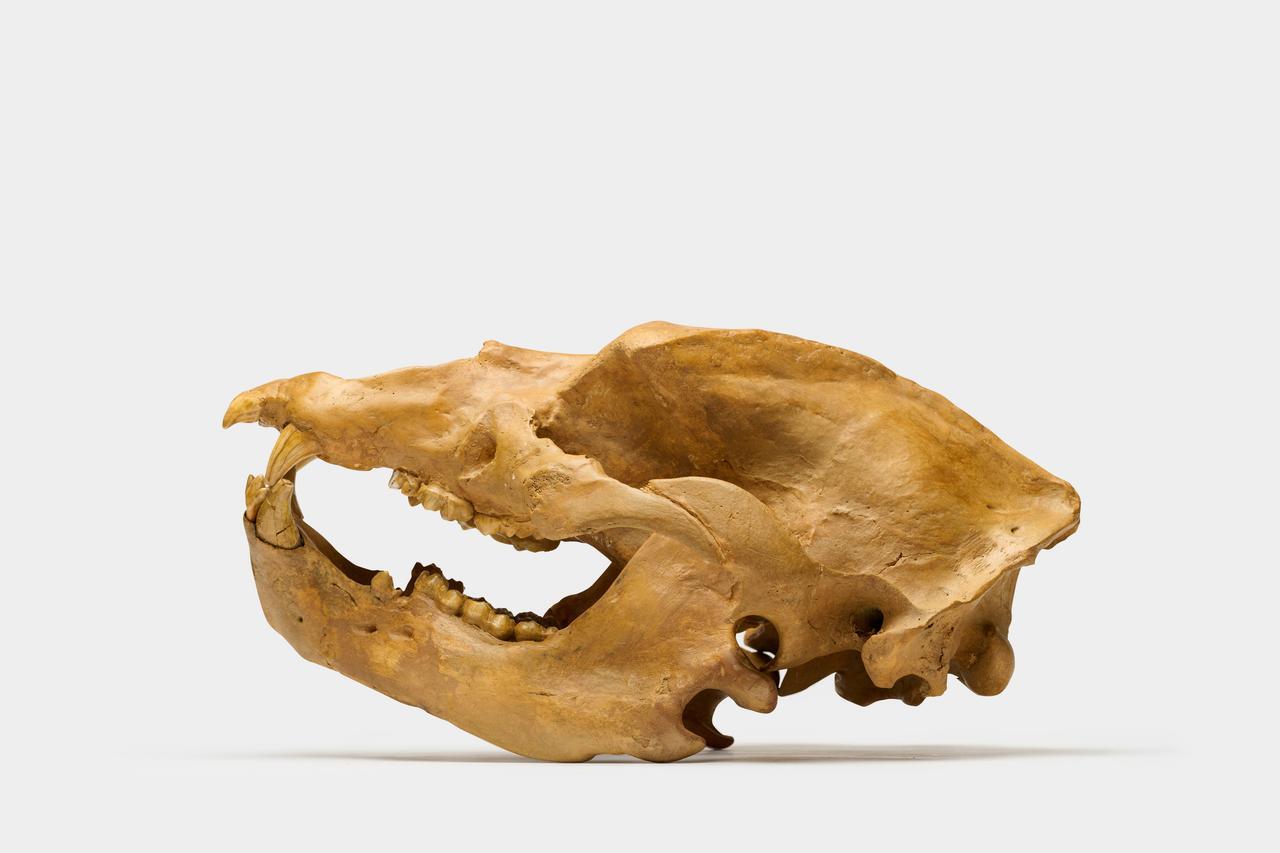
Orthoceras - Animale fossilizzato (Senza prezzo di riserva)


07
giorni
20
ore
14
minuti
19
secondi

Nessuna offerta
Tutela degli acquirenti Catawiki
Il tuo pagamento è al sicuro con noi finché non ricevi il tuo oggetto.Mostra dettagli
Trustpilot 4.4 | 141366 recensioni
Valutato Eccellente su Trustpilot.
Specimen Orthoceras proveniente dal Marocco, risalente al periodo Ordovician, lucidato e in condizioni naturali, con autenticità Originale/ufficiale.
Riepilogo creato con l’aiuto dell’IA
Descrizione del venditore
Beautiful fossil slab featuring several Orthoceras specimens from Morocco, discovered in the north-western Sahara. These ancient marine animals were among the earliest cephalopods to inhabit the oceans.
Orthoceras were extinct cephalopod molluscs belonging to a group that has now completely disappeared. These marine creatures lived in ancient oceans hundreds of millions of years ago, particularly during the Ordovician and Silurian periods. Their name, meaning “straight horn” in Greek, refers to the distinctive conical, elongated shape of their shells.
The shell was divided into a series of chambers separated by internal walls known as septa and traversed by a tube called the siphuncle. This structure helped the animal regulate its buoyancy in the water.
The shell is undoubtedly the most distinctive feature of Orthoceras. It was originally composed of aragonite, the same mineral found in the shells of many modern molluscs. Over time, geological processes such as sedimentation and mineralisation transformed these shells into the remarkable fossils we admire today.
Orthoceras fossils are valuable witnesses to marine life from a distant geological era. Their study allows scientists to reconstruct ancient ecosystems, investigate the evolution of species and better understand the major changes that have shaped the history of our planet.
This fossil from the Arte Terra collection is presented on a custom-made solid wood display base, designed to enhance both its aesthetic appeal and scientific value. The front of the base features a laser-engraved naturalistic illustration of the prehistoric animal to which the specimen belongs, reconstructed in its original environment. The “Arte Terra – Fossil Mineral Design” logo appears in the lower-right corner as a mark of authenticity and of the product’s artisanal craftsmanship.
Beautiful fossil slab featuring several Orthoceras specimens from Morocco, discovered in the north-western Sahara. These ancient marine animals were among the earliest cephalopods to inhabit the oceans.
Orthoceras were extinct cephalopod molluscs belonging to a group that has now completely disappeared. These marine creatures lived in ancient oceans hundreds of millions of years ago, particularly during the Ordovician and Silurian periods. Their name, meaning “straight horn” in Greek, refers to the distinctive conical, elongated shape of their shells.
The shell was divided into a series of chambers separated by internal walls known as septa and traversed by a tube called the siphuncle. This structure helped the animal regulate its buoyancy in the water.
The shell is undoubtedly the most distinctive feature of Orthoceras. It was originally composed of aragonite, the same mineral found in the shells of many modern molluscs. Over time, geological processes such as sedimentation and mineralisation transformed these shells into the remarkable fossils we admire today.
Orthoceras fossils are valuable witnesses to marine life from a distant geological era. Their study allows scientists to reconstruct ancient ecosystems, investigate the evolution of species and better understand the major changes that have shaped the history of our planet.
This fossil from the Arte Terra collection is presented on a custom-made solid wood display base, designed to enhance both its aesthetic appeal and scientific value. The front of the base features a laser-engraved naturalistic illustration of the prehistoric animal to which the specimen belongs, reconstructed in its original environment. The “Arte Terra – Fossil Mineral Design” logo appears in the lower-right corner as a mark of authenticity and of the product’s artisanal craftsmanship.
Dettagli
Esemplare
Orthoceras
Paese d’origine
Marocco
Periodo geologico
Ordoviciano (485,4 - 443,8 milioni di anni)
Condizione
Naturale
Trattamento
Lucidato
Autenticità
Originale/ufficiale
Venduto da