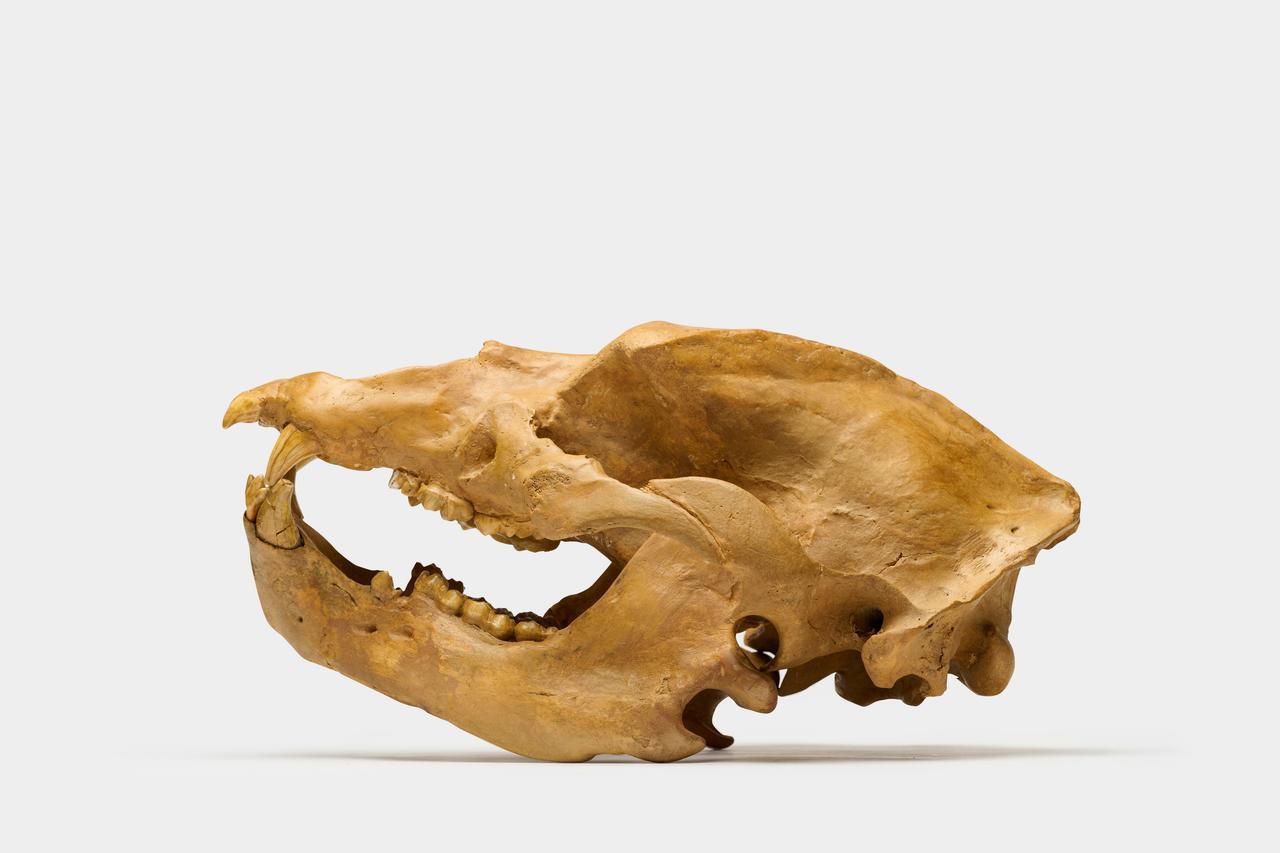
Rettile marino - Mascella fossilizzata - Mosasaurus sp. (Senza prezzo di riserva)


06
giorni
19
ore
50
minuti
30
secondi

 | 3 € |
|---|
Tutela degli acquirenti Catawiki
Il tuo pagamento è al sicuro con noi finché non ricevi il tuo oggetto.Mostra dettagli
Trustpilot 4.4 | 146042 recensioni
Valutato Eccellente su Trustpilot.
Questa mascella originale di Mosasaurus sp., rettile marino del Marocco, con denti dotati di radici e parte dell’osso mandibolare, risale al Cretaceo ed è stata parzialmente restaurata.
Riepilogo creato con l’aiuto dell’IA
Descrizione del venditore
Beautiful Mosasaur jaw from Morocco, featuring teeth with roots and part of the mandibular bone. The bone has been partially restored, but the natural porosity of the fossil is still clearly visible. It was discovered in the phosphate deposits of Khouribga. This Cretaceous marine reptile was one of the largest ocean predators of its time.
Mosasaurus was among the last mosasaurs and also one of the largest. Like most mosasaurs, its limbs had evolved into short but efficient flippers, with the front flippers larger than the rear ones. The largest known species, Mosasaurus hoffmannii, could reach lengths of 17–18 meters (56 feet), slightly longer than close relatives such as Tylosaurus and Hainosaurus. It was also one of the most robust mosasaurs, with some of the largest individuals estimated to weigh between 25 and 30 tons. Its body was long, thick, and barrel-shaped, with a massive skull and a powerful, tightly connected jaw. The eyes were relatively large but likely provided limited binocular vision, and the olfactory bulbs were not well developed, leading experts to believe that Mosasaurus lived primarily near the water’s surface.
Dettagli
Esemplare
Rettile marino
Nome scientifico
Mosasaurus sp.
Paese d’origine
Marocco
Periodo geologico
Cretaceo (145 – 66 milioni di anni)
Condizione
Restaurato
Autenticità
Originale/ufficiale
Venduto da