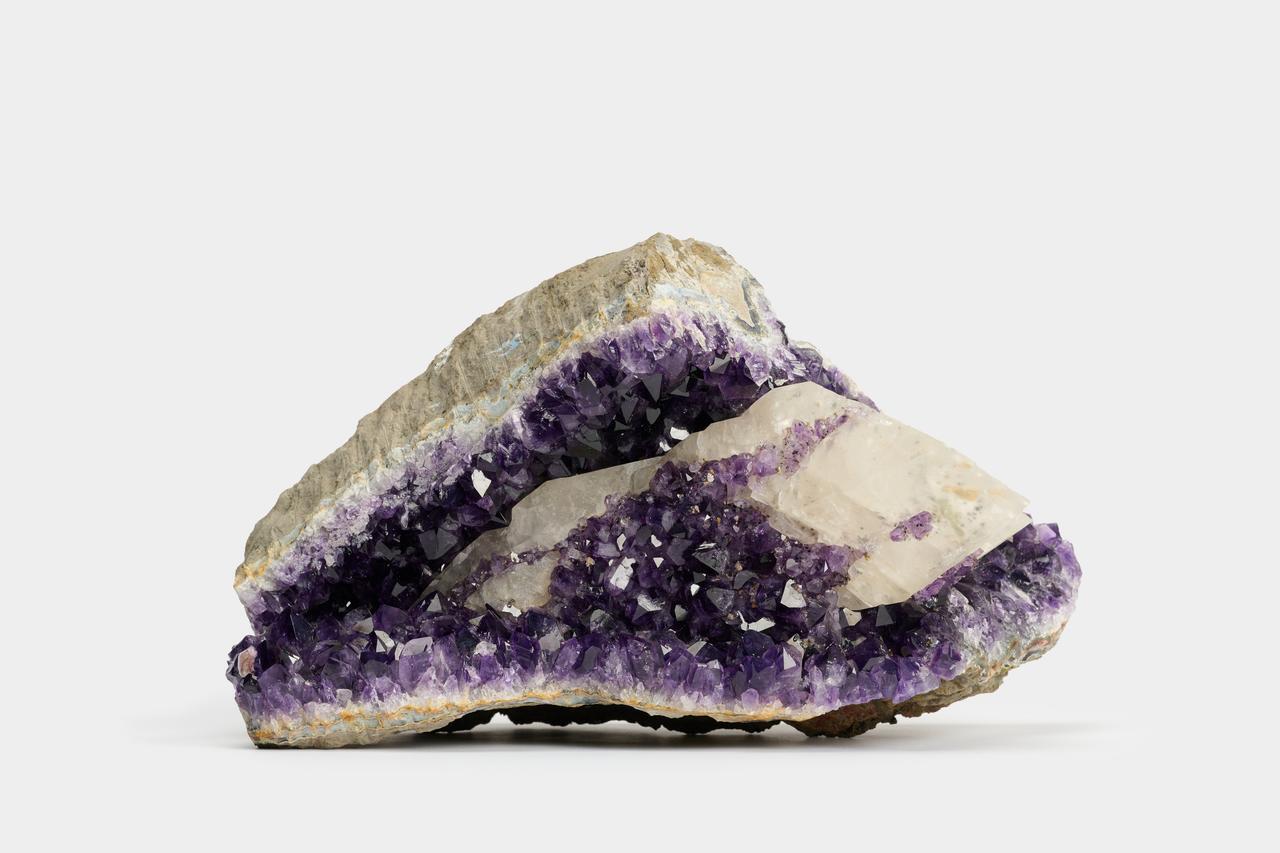
Lapislazuli Free Form - very Sculptural - Denim Blue - aesthetic - Höhe: 280 mm - Breite: 200 mm- 7.58 kg - (1)


05
Tage
15
Stunden
28
Minuten
52
Sekunden
Startgebot
€ 1
Mindestpreis nicht erreicht

Experte
Von Antonio Rapisarda ausgewählt
Verfügt über einen Master in Chemie und 25 Jahre Erfahrung in Mineralienberatung.
Schätzung € 750 - € 850
Es wurden keine Gebote abgegeben
Käuferschutz auf Catawiki
Ihre Zahlung wird von uns sicher verwahrt, bis Sie Ihr Objekt erhalten.Details ansehen
Trustpilot 4.4 | 122290 Bewertungen
Auf Trustpilot als hervorragend bewertet.
Lapis lazuli Free-Form-Skulptur aus Sare-Sang-Tal, Badakhshan, Afghanistan, Gewicht 7,58 kg, Abmessungen 28 x 20 x 8 cm.
KI-gestützte Zusammenfassung
Vom Verkäufer bereitgestellte Beschreibung
We are always committed to offering you the most beautiful gemstones and minerals. This lapis lazuli stands out particularly due to its unique shape and color.
Weight and Dimensions: 28x20x8cm - 7.58kg
All photos are taken without any filters or enhancements.
Lapis lazuli is among the oldest known gemstones, revered as a sacred stone in ancient cultures such as Egypt, Mexico, and the Eastern kingdoms. Among the Egyptians, lapis lazuli was considered the most precious gem to be included in the burial gifts for their Pharaohs. Known as the "Stone of Kings," Cleopatra recognized the virtues and powers of lapis lazuli, and even Napoleon carried this protective stone with him. Its significance extends beyond jewelry and healing properties; lapis lazuli played a vital role as a pigment due to its vibrant and lightfast azure blue color. During the Renaissance, its value was comparable to that of gold.
The lapis lazuli is crafted here in the form of sculptures/objects, ensuring each piece is unique with variations in color and texture.
Origin: Sare-Sang Valley, Badakhshan, Afghanistan.
Der Verkäufer stellt sich vor
For almost 30 years, we have been passionately engaged in the field of minerals and gemstones. This is not just a job for us; it is a dedication that we pursue with joy. As direct importers, we primarily focus on minerals and gemstones from Afghanistan and Pakistan, but we also include products from around the world, including Madagascar, various regions in Africa, and Far Eastern countries such as China and Indonesia.
We proudly showcase our products worldwide at leading mineral and gemstone fairs. Our selection is based on careful handpicking from our extensive inventory. All items you see here are shipped directly from Stuttgart, Germany, to locations around the globe. If you have any questions, we are always available to assist you.
We are always committed to offering you the most beautiful gemstones and minerals. This lapis lazuli stands out particularly due to its unique shape and color.
Weight and Dimensions: 28x20x8cm - 7.58kg
All photos are taken without any filters or enhancements.
Lapis lazuli is among the oldest known gemstones, revered as a sacred stone in ancient cultures such as Egypt, Mexico, and the Eastern kingdoms. Among the Egyptians, lapis lazuli was considered the most precious gem to be included in the burial gifts for their Pharaohs. Known as the "Stone of Kings," Cleopatra recognized the virtues and powers of lapis lazuli, and even Napoleon carried this protective stone with him. Its significance extends beyond jewelry and healing properties; lapis lazuli played a vital role as a pigment due to its vibrant and lightfast azure blue color. During the Renaissance, its value was comparable to that of gold.
The lapis lazuli is crafted here in the form of sculptures/objects, ensuring each piece is unique with variations in color and texture.
Origin: Sare-Sang Valley, Badakhshan, Afghanistan.
Der Verkäufer stellt sich vor
For almost 30 years, we have been passionately engaged in the field of minerals and gemstones. This is not just a job for us; it is a dedication that we pursue with joy. As direct importers, we primarily focus on minerals and gemstones from Afghanistan and Pakistan, but we also include products from around the world, including Madagascar, various regions in Africa, and Far Eastern countries such as China and Indonesia.
We proudly showcase our products worldwide at leading mineral and gemstone fairs. Our selection is based on careful handpicking from our extensive inventory. All items you see here are shipped directly from Stuttgart, Germany, to locations around the globe. If you have any questions, we are always available to assist you.
Details
Stückzahl
1
Hauptmineral
Lapis Lazuli
Kristallform
Free form — very sculptural — denim blue — aesthetic
Gewicht
7,58 kg
Herkunft (Region/ Stadt)
Sare Sang Valley
Herkunftsland
Afghanistan
Höhe
280 mm
Breite
200 mm
Tiefe
80 mm
Verkauft von