David Harianna (1978) - LUCE ACIDA NELL'ABISSO


09
days
21
hours
04
minutes
43
seconds

No bids placed
Catawiki Buyer Protection
Your payment’s safe with us until you receive your object.View details
Trustpilot 4.4 | 123253 reviews
Rated Excellent on Trustpilot.
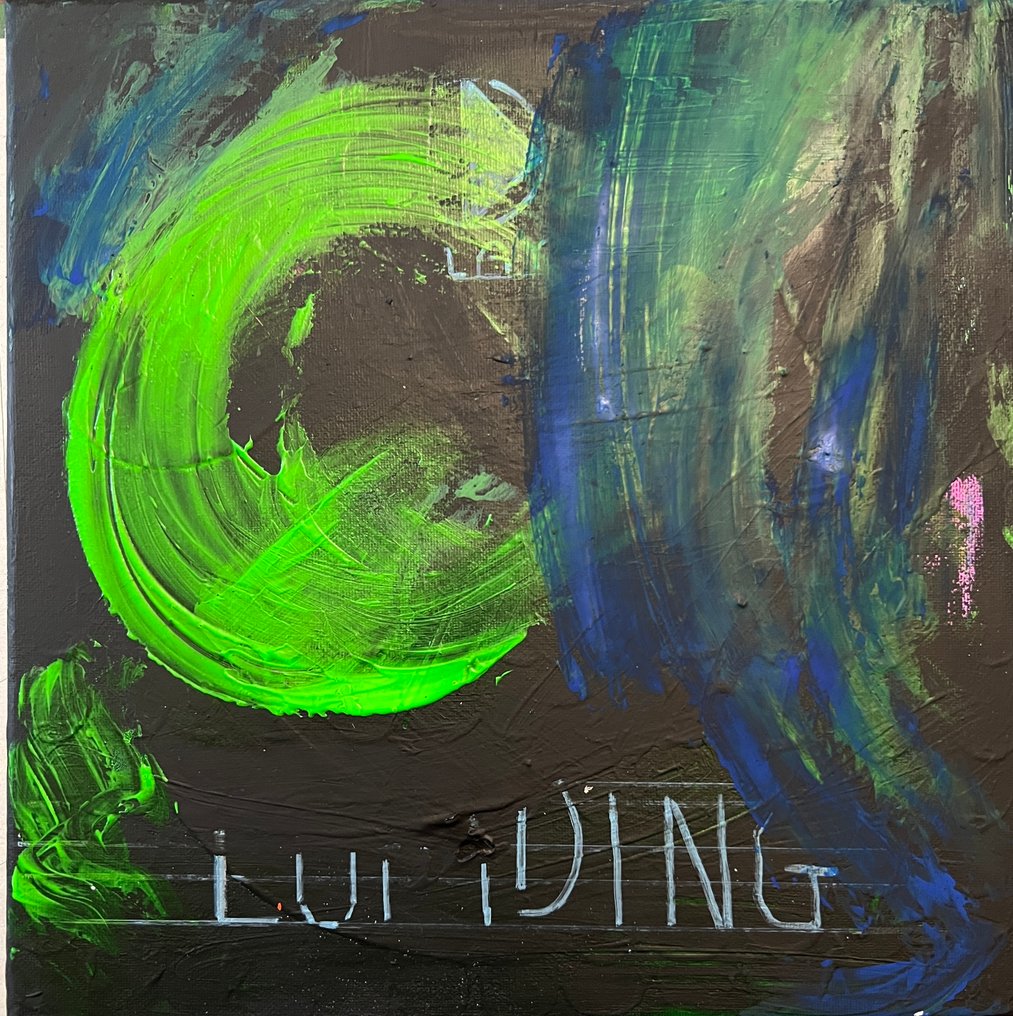
David Harianna (1978) LUCE ACIDA NELL'ABISSO is an original acrylic painting on canvas, 30 × 30 cm, hand-signed, produced in Italy in a Contemporary style with a pop culture depiction, dated 2025 and in excellent condition.
AI-assisted summary
Description from the seller
A 30x30x2cm framed work, visually stunning and conceptually powerful, by contemporary artist David Harianna. This canvas is not just painting but a tactile monument to the universal and often frustrating experience of loading in the digital world.
Theme & Contrast
The piece is an excellent example of Material Abstract Expressionism that embodies the emotional tension between the darkness of the crash and the sudden manifestation of vital energy. The artist chose the familiar (and sometimes feared) digital waiting screen as the subject.
Technique & Visual Impact
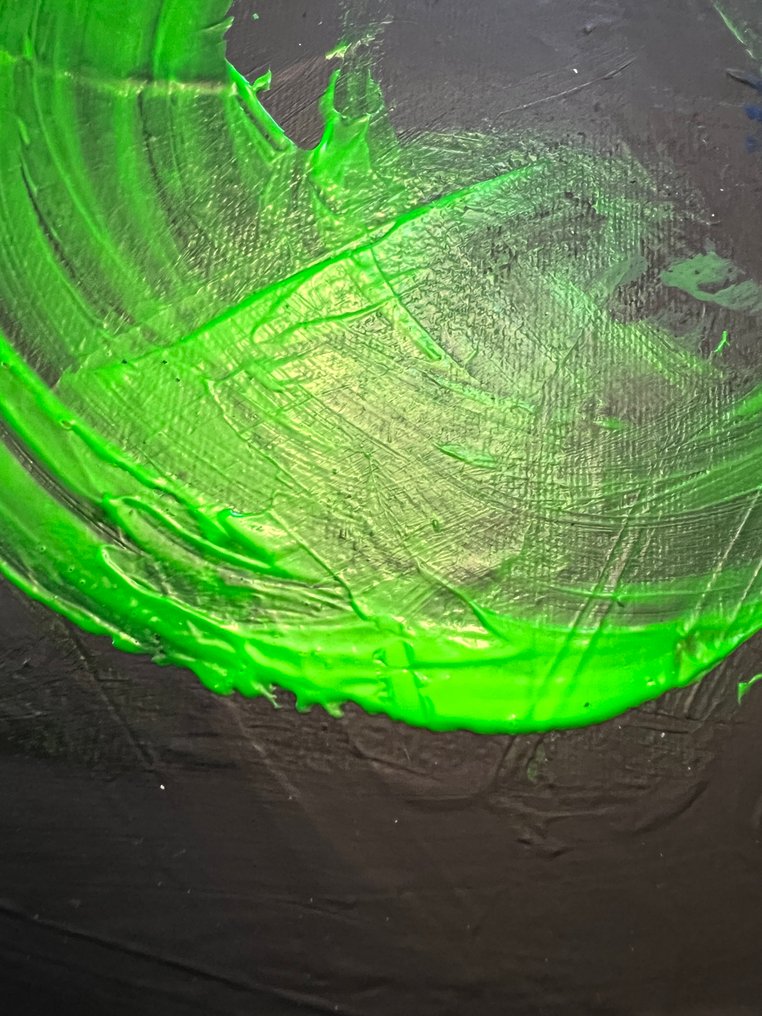
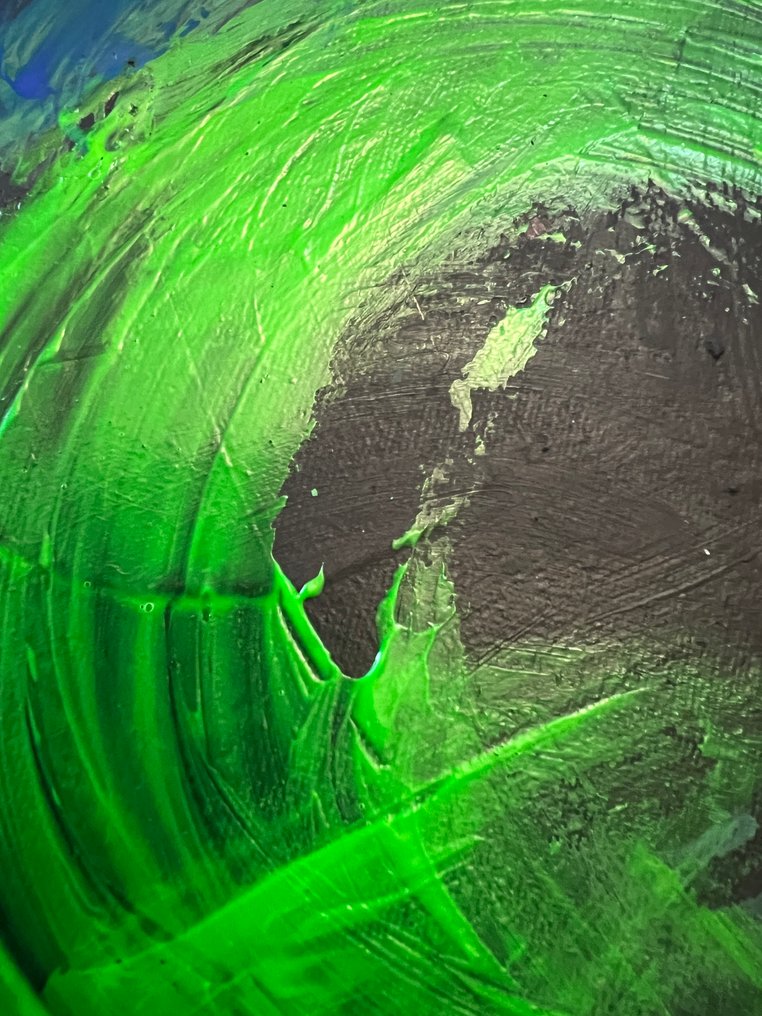
Harianna employs an extremely dense impasto technique. Deep black and dark tones dominate, building an almost sculptural surface that evokes the gravity of a locked system, the darkness of a digital abyss, or the depth of an unreleased level. This base acts as a monolithic black screen.
Against this mass, the neon/acid green (the chromatic equivalent of a 'glitch' or a system signal) bursts forth with gestural force, creating luminous cracks that seem to emerge from beneath the surface. These flashes of color are not random but an energetic pulsation, a visual hacking that cuts through the shadow, representing a vital energy, the truth of data, or the sharp emotion of an imminent rage-quit.
The Interactive Element
The 'LOADING' signs, inscribed in a cold blue/white, turn the viewer into a user. A direct and ironic dialogue is created with those watching, trapped in a loop of pictorial waiting.
For Gaming Culture Collectors
This piece is perfect for collectors who appreciate tactile painting, bold use of contrast, and works with a strong dramatic and conceptual character. It makes a bold comment on the digital age, video game experience, and Glitchcore/Cyberpunk aesthetics, powerfully defining the space of a high-end gaming room.
A 30x30x2cm framed work, visually stunning and conceptually powerful, by contemporary artist David Harianna. This canvas is not just painting but a tactile monument to the universal and often frustrating experience of loading in the digital world.
Theme & Contrast
The piece is an excellent example of Material Abstract Expressionism that embodies the emotional tension between the darkness of the crash and the sudden manifestation of vital energy. The artist chose the familiar (and sometimes feared) digital waiting screen as the subject.
Technique & Visual Impact
Harianna employs an extremely dense impasto technique. Deep black and dark tones dominate, building an almost sculptural surface that evokes the gravity of a locked system, the darkness of a digital abyss, or the depth of an unreleased level. This base acts as a monolithic black screen.
Against this mass, the neon/acid green (the chromatic equivalent of a 'glitch' or a system signal) bursts forth with gestural force, creating luminous cracks that seem to emerge from beneath the surface. These flashes of color are not random but an energetic pulsation, a visual hacking that cuts through the shadow, representing a vital energy, the truth of data, or the sharp emotion of an imminent rage-quit.
The Interactive Element
The 'LOADING' signs, inscribed in a cold blue/white, turn the viewer into a user. A direct and ironic dialogue is created with those watching, trapped in a loop of pictorial waiting.
For Gaming Culture Collectors
This piece is perfect for collectors who appreciate tactile painting, bold use of contrast, and works with a strong dramatic and conceptual character. It makes a bold comment on the digital age, video game experience, and Glitchcore/Cyberpunk aesthetics, powerfully defining the space of a high-end gaming room.
Details
Artist
David Harianna (1978)
Sold with frame
No
Sold by
Owner or reseller
Edition
Original
Title of artwork
LUCE ACIDA NELL'ABISSO
Technique
Acrylic painting
Signature
Hand signed
Country of Origin
Italy
Year
2025
Condition
Excellent condition
Colour
Black, Blue, Green, Pink
Height
30 cm
Width
30 cm
Depiction/Theme
Pop Culture
Style
Contemporary
Period
2010-2020
Sold by