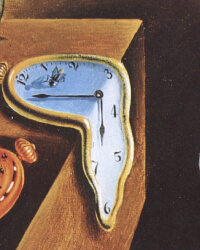
Hans Hartung (1904-1989) - L-14A-1974 - NO RESERVE


03
days
19
hours
19
minutes
29
seconds

89 other people are watching this object
 Bidder 8005 Bidder 8005 | €460 | |
|---|---|---|
 Bidder 2054 Bidder 2054 | €440 | |
 Bidder 2535 Bidder 2535 | €420 | |
Catawiki Buyer Protection
Your payment’s safe with us until you receive your object.View details
Trustpilot 4.4 | 125774 reviews
Rated Excellent on Trustpilot.
Hans Hartung, L-14A-1974, a 1974 limited edition lithograph in abstract style on Rives paper (printing size 56×76 cm, paper size 75×105 cm), hand signed, edition 70, German-born, weight 0.2 kg, in excellent condition.
AI-assisted summary
Description from the seller
ABOUT THE PRINT
- Lithograph on Rives paper.
- Printing size: 56x76, paper size: 75x105
- The work comes from the Silvia Noto collection, who was responsible for the distribution and preservation of editions produced by Erker Presse.
- Delivered perfecly packaged and with international shipping insurance.
NO RESERVE!
ABOUT THE ARTIST
Hans Hartung, (Leipzig, 1904 – Antibes, 1989)
Hans was a German-born painter and a leading figure in 20th-century abstract art, particularly associated with Art Informel and Abstract Expressionism in Europe. Born in Leipzig, Germany, Hartung showed an early interest in art and photography, experimenting with expressive lines and dynamic compositions from a young age. He studied at art academies in Leipzig, Dresden, and Munich, where he was influenced by modern movements such as Cubism and Expressionism.
Forced into exile by the rise of Nazism, Hartung settled in France in the 1930s and later became a French citizen. During World War II, he enlisted in the French Foreign Legion and was seriously wounded, resulting in the amputation of one leg—an experience that deeply marked his life and artistic outlook.
Hartung is best known for his gestural abstraction, characterized by energetic brushstrokes, scratched lines, and bold contrasts of color. He developed innovative techniques, using tools such as rakes, branches, and spray guns to create spontaneous and rhythmic compositions. His work emphasized movement, emotion, and the physical act of painting rather than representation.
Among his major achievements, Hartung received the Grand Prize for Painting at the Venice Biennale in 1960, one of the highest honors in contemporary art. His works are held in major museums worldwide, including the Centre Pompidou and the Museum of Modern Art. Hartung’s legacy remains central to the development of postwar abstract painting.
Seller's Story
Flecha es una de las galerías especializadas en arte contemporáneo con más tradición de Madrid, con más de 35 años de historia. Cuenta con una de las colecciones de arte contemporáneo español más completas del panorama nacional, incluyendo obra fotográfica, pictórica, escultórica, obra gráfica y técnicas mixtas.
ABOUT THE PRINT
- Lithograph on Rives paper.
- Printing size: 56x76, paper size: 75x105
- The work comes from the Silvia Noto collection, who was responsible for the distribution and preservation of editions produced by Erker Presse.
- Delivered perfecly packaged and with international shipping insurance.
NO RESERVE!
ABOUT THE ARTIST
Hans Hartung, (Leipzig, 1904 – Antibes, 1989)
Hans was a German-born painter and a leading figure in 20th-century abstract art, particularly associated with Art Informel and Abstract Expressionism in Europe. Born in Leipzig, Germany, Hartung showed an early interest in art and photography, experimenting with expressive lines and dynamic compositions from a young age. He studied at art academies in Leipzig, Dresden, and Munich, where he was influenced by modern movements such as Cubism and Expressionism.
Forced into exile by the rise of Nazism, Hartung settled in France in the 1930s and later became a French citizen. During World War II, he enlisted in the French Foreign Legion and was seriously wounded, resulting in the amputation of one leg—an experience that deeply marked his life and artistic outlook.
Hartung is best known for his gestural abstraction, characterized by energetic brushstrokes, scratched lines, and bold contrasts of color. He developed innovative techniques, using tools such as rakes, branches, and spray guns to create spontaneous and rhythmic compositions. His work emphasized movement, emotion, and the physical act of painting rather than representation.
Among his major achievements, Hartung received the Grand Prize for Painting at the Venice Biennale in 1960, one of the highest honors in contemporary art. His works are held in major museums worldwide, including the Centre Pompidou and the Museum of Modern Art. Hartung’s legacy remains central to the development of postwar abstract painting.
Seller's Story
Flecha es una de las galerías especializadas en arte contemporáneo con más tradición de Madrid, con más de 35 años de historia. Cuenta con una de las colecciones de arte contemporáneo español más completas del panorama nacional, incluyendo obra fotográfica, pictórica, escultórica, obra gráfica y técnicas mixtas.
Details
Artist
Hans Hartung (1904-1989)
Sold by
Gallery
Edition
Limited edition
Edition number
70
Title of artwork
L-14A-1974 - NO RESERVE
Technique
Lithograph
Signature
Hand signed
Country of Origin
Germany
Year
1974
Condition
Excellent condition
Height
75 cm
Width
105 cm
Weight
0.2 kg
Style
Abstract
Period
1970-1980
Sold with frame
No
Sold by