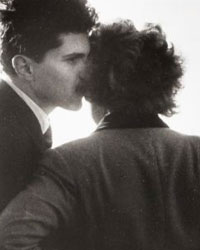
Erna Lendvai-Dircksen - Portrait eines jungen Mädchens


04
days
14
hours
04
minutes
44
seconds

No bids placed
Catawiki Buyer Protection
Your payment’s safe with us until you receive your object.View details
Trustpilot 4.4 | 127145 reviews
Rated Excellent on Trustpilot.
Description from the seller
In the auction there is a very rare original photo print produced using the intaglio printing process.
of the German photographer Erna Lendvai-Dircksen
The offered photo print in intaglio (gravure) comes from a lot of a photo book from 1927—the Das Deutsche Lichtbild—that is no longer complete and cannot be restored due to its condition. The selection of photographs offered (there are additional photographs from this context currently available) is very rare and presents a rare opportunity to acquire original photography from a limited edition in very high quality as an intaglio print. They come from my own private collection.
Due to partly significant edge defects, the photo pages were uniformly trimmed and mounted on acid-free photo board (DIN A3). The photographs are in excellent and collectible condition. They will be shipped without a frame in professional packaging.
This first volume of the series, in particular, was a worldwide success and was distributed to many countries in Europe and beyond (including an English-language insert) and served as an inspiration for the genre of photo books.
The first volume is extremely rare. It appeared as the publisher Bruno Schultz's anniversary edition in a one-off photogravure edition of the photographs. The first edition sold out so quickly that the publisher began to buy back copies.
The first issue appeared until 1938. From 1934, the selection of photographs changed radically after Adolf Hitler came to power, which opened the 1934 issue with its own foreword (“In eigener Sache” -> “In Our Own Interest”). Until 1933, Das Deutsche LICHTBILD was distinguished by a significant selection of contemporary women and men photographers who are today regarded as important protagonists in the early photography of modernism:
U.A. Yva, Franz Grainer, Nini and Carry Hess, Arthur Benda, Erich Angenendt, Charlotte Rudolph, Hajek-Halke (1928), Käthe Hecht (1928), Albert Renger-Patzsch, Hans Windisch, Max Baur (1930), Hannes Maria Flach (1930), as well as texts (and partly photographs) by László Moholy-Nagy (1927), Franz Werfel, Raoul Hausmann, Kurt Tucholsky (as Peter Panther, 1930) and other authors.
Profile: Erna Lendvai-Dircksen (born May 30, 1883 in Wetterburg, Principality of Waldeck as Erna Katharine Wilhelmine Dircksen; died May 8, 1962 in Coburg) was a German photographer.
From 1903 to 1905, Erna Lendvai-Dircksen studied painting at the Kassel Art Academy, followed by a training in photography from 1910 to 1911 at the Lehranstalt of the Lette-Verein. From 1906 to 1911 she was married to Adolf Göschel, and from 1913 to 1925 to the Hungarian-Jewish composer Erwin Lendvai.
Since 1913 she operated a photographic workshop in Hellerau near Dresden. From 1916 to 1943 she operated a portrait studio in Berlin. It was initially at Viktoria-Luise-Platz and from 1928 in Hardenbergstraße.[3] Here, among others, portraits of Ricarda Huch, Käthe Kollwitz and Mary Wigman were created, which were published in the magazine Die Frau.
In 1917, Lendvai-Dircksen began her long-term project of photographing the 'German people's face'. In addition, she produced numerous landscape photographs. She also engaged in cinematography and created several films featuring footage of children, such as 'Children Playing', 'Mariechen and Brigitte' (1930), and 'Mariechen Gets a Visit' (1931).
She was appointed to the Society of German Photographers in 1924. In 1925 she toured eastern and southern Germany and in 1926 exhibited at the German Photography Exhibition in Frankfurt am Main. For this she received the State Prize of the Reich President Paul von Hindenburg.
In 1958 she was awarded the David Octavius Hill Medal by the Society of German Photographers. Afterwards, she remained forgotten for a long time, and only in the 1970s did her work regain greater interest.
Their stylization of mostly blond, 'Aryan', traditionally dressed people fits the mindset of National Socialism; nevertheless, their role in the NS cultural and propaganda apparatus is not clearly defined.
(Source WIKIPEDIA)
On the German Lichtbild: (SOURCE; https://de.wikipedia.org/wiki/Das_Deutsche_Lichtbild)
In 1927, photographer Hans Windisch founded the yearbook Das Deutsche Lichtbild at the Verlag von Bruno Schultz in Berlin. It was to contain the most important photographs of a year and some text contributions. The graphic designer László Moholy-Nagy created the title emblem. The Reichskunstwart Edwin Redslob enthusiastically praised the first issue.
In 1930, it was stated in the issue.
The Deutsche Lichtbild annually brings together from all photographic fields the 100 strongest images of the year by German professional and amateur photographers, in incomparable reproductions and in an ideal book presentation. It has been described by the judgments cited here from home and abroad as the best Lichtbilder yearbook in the world.
In the auction there is a very rare original photo print produced using the intaglio printing process.
of the German photographer Erna Lendvai-Dircksen
The offered photo print in intaglio (gravure) comes from a lot of a photo book from 1927—the Das Deutsche Lichtbild—that is no longer complete and cannot be restored due to its condition. The selection of photographs offered (there are additional photographs from this context currently available) is very rare and presents a rare opportunity to acquire original photography from a limited edition in very high quality as an intaglio print. They come from my own private collection.
Due to partly significant edge defects, the photo pages were uniformly trimmed and mounted on acid-free photo board (DIN A3). The photographs are in excellent and collectible condition. They will be shipped without a frame in professional packaging.
This first volume of the series, in particular, was a worldwide success and was distributed to many countries in Europe and beyond (including an English-language insert) and served as an inspiration for the genre of photo books.
The first volume is extremely rare. It appeared as the publisher Bruno Schultz's anniversary edition in a one-off photogravure edition of the photographs. The first edition sold out so quickly that the publisher began to buy back copies.
The first issue appeared until 1938. From 1934, the selection of photographs changed radically after Adolf Hitler came to power, which opened the 1934 issue with its own foreword (“In eigener Sache” -> “In Our Own Interest”). Until 1933, Das Deutsche LICHTBILD was distinguished by a significant selection of contemporary women and men photographers who are today regarded as important protagonists in the early photography of modernism:
U.A. Yva, Franz Grainer, Nini and Carry Hess, Arthur Benda, Erich Angenendt, Charlotte Rudolph, Hajek-Halke (1928), Käthe Hecht (1928), Albert Renger-Patzsch, Hans Windisch, Max Baur (1930), Hannes Maria Flach (1930), as well as texts (and partly photographs) by László Moholy-Nagy (1927), Franz Werfel, Raoul Hausmann, Kurt Tucholsky (as Peter Panther, 1930) and other authors.
Profile: Erna Lendvai-Dircksen (born May 30, 1883 in Wetterburg, Principality of Waldeck as Erna Katharine Wilhelmine Dircksen; died May 8, 1962 in Coburg) was a German photographer.
From 1903 to 1905, Erna Lendvai-Dircksen studied painting at the Kassel Art Academy, followed by a training in photography from 1910 to 1911 at the Lehranstalt of the Lette-Verein. From 1906 to 1911 she was married to Adolf Göschel, and from 1913 to 1925 to the Hungarian-Jewish composer Erwin Lendvai.
Since 1913 she operated a photographic workshop in Hellerau near Dresden. From 1916 to 1943 she operated a portrait studio in Berlin. It was initially at Viktoria-Luise-Platz and from 1928 in Hardenbergstraße.[3] Here, among others, portraits of Ricarda Huch, Käthe Kollwitz and Mary Wigman were created, which were published in the magazine Die Frau.
In 1917, Lendvai-Dircksen began her long-term project of photographing the 'German people's face'. In addition, she produced numerous landscape photographs. She also engaged in cinematography and created several films featuring footage of children, such as 'Children Playing', 'Mariechen and Brigitte' (1930), and 'Mariechen Gets a Visit' (1931).
She was appointed to the Society of German Photographers in 1924. In 1925 she toured eastern and southern Germany and in 1926 exhibited at the German Photography Exhibition in Frankfurt am Main. For this she received the State Prize of the Reich President Paul von Hindenburg.
In 1958 she was awarded the David Octavius Hill Medal by the Society of German Photographers. Afterwards, she remained forgotten for a long time, and only in the 1970s did her work regain greater interest.
Their stylization of mostly blond, 'Aryan', traditionally dressed people fits the mindset of National Socialism; nevertheless, their role in the NS cultural and propaganda apparatus is not clearly defined.
(Source WIKIPEDIA)
On the German Lichtbild: (SOURCE; https://de.wikipedia.org/wiki/Das_Deutsche_Lichtbild)
In 1927, photographer Hans Windisch founded the yearbook Das Deutsche Lichtbild at the Verlag von Bruno Schultz in Berlin. It was to contain the most important photographs of a year and some text contributions. The graphic designer László Moholy-Nagy created the title emblem. The Reichskunstwart Edwin Redslob enthusiastically praised the first issue.
In 1930, it was stated in the issue.
The Deutsche Lichtbild annually brings together from all photographic fields the 100 strongest images of the year by German professional and amateur photographers, in incomparable reproductions and in an ideal book presentation. It has been described by the judgments cited here from home and abroad as the best Lichtbilder yearbook in the world.
Details
Date of print
1927
Artist
Erna Lendvai-Dircksen
Sold by
Owner or reseller
Title of artwork
Portrait eines jungen Mädchens
Condition
Very fine
Technique
Photogravure
Height
27 cm
Edition
Limited Edition
Width
21.5 cm
Signature
Not signed
Genre
Fine art photography
Sold by