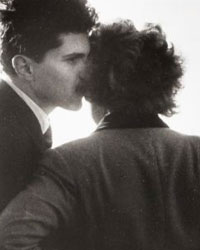
Mario von Bucovich - Sitzender Clown


05
days
15
hours
10
minutes
18
seconds

No bids placed
Catawiki Buyer Protection
Your payment’s safe with us until you receive your object.View details
Trustpilot 4.4 | 129665 reviews
Rated Excellent on Trustpilot.
Description from the seller
In the auction there is a very rare original photogravure produced by the German photographer Mario von Bucovich.
The offered photogravure in photogravure printing comes from a collection of a photo album from 1927 - The German Image (Das Deutsche Lichtbild) - that is no longer complete and in terms of condition no longer restorable. The selection of photographs offered (there are additional photographs from this context currently offered) is very rare and a rare opportunity to acquire an original photography from a limited edition in very high quality as a gravure. They come from the seller's private collection.
Because of substantial edge flaws, the photo pages were uniformly trimmed and mounted on acid-free photo board (DIN A3). The photographs are in excellent and collectable condition. They are shipped without a frame in professional packaging.
In particular, this first volume of the series was a worldwide success and was sent to many European countries and beyond (including an English supplement) and was an inspiration for the genre of photo books.
The first volume is extremely rare. It appeared as the publisher Bruno Schultz's anniversary edition in a unique gravure edition of the photographs. The first edition sold out so quickly that the publisher began buying back copies.
The first series appeared until 1938. From 1934 the selection of photographs changed radically after Adolf Hitler’s rise to power, who introduced his own preface to the 34er edition ("In eigner Sache"). Until 1933, Das Deutsche LICHTBILD stood out for its significant selection of contemporary women and men photographers, who today are counted among the important protagonists in the early modern photography:
Among them Yva, Franz Grainer, Nini and Carry Hess, Arthur Benda, Erich Angenendt, Charlotte Rudolph, Hajek-Halke (1928), Käthe Hecht (1928), Albert Renger-Patzsch, Hans Windisch, Max Baur (1930), Hannes Maria Flach (1930), as well as texts (and sometimes photographs) by László Moholy-Nagy (1927), Franz Werfel, Raoul Hausmann, Kurt Tucholsky (as Peter Panther, 1930) and other authors.
About the person: https://de.wikipedia.org/wiki/Mario_von_Bucovich
Mario von Bucovich (born February 16, 1884 in Pula, Austria-Hungary; died November 30, 1947 in Mexico City, Mexico) was an Austrian-born photographer.
Mario Freiherr von Bucovich began in 1904 to study mathematics and mechanics at the Swiss Federal Institute of Technology in Zurich. He continued these studies in Nancy in the French Lorraine. From 1908 to 1909 he studied electrical engineering and mechanical engineering at the Technikum Mittweida in Saxony.
Bucovich began his professional career in 1909 with the Otis Elevator Company in New York City, USA, which sent him in 1911 to the Russian capital St. Petersburg. There he was also engaged in the lucrative sale of agricultural machinery. In 1914 he was deported as an enemy alien to Siberia, but he managed to escape and return to St. Petersburg. From 1918 he dedicated himself to repatriating the deported people remaining in Siberia, which was very difficult due to the civil war in Russia.
In the following years Bucovich worked in the art and antique trade and settled in Berlin. In November 1925 he became a managing director in the photo studio of Karl Schenker, which he took over in 1926 and continued as Karl Schenker Atelier Inhaber Mario v. Bucovich. Among his successes in this period were photographs of celebrities, including film actors, dancers and athletes. These included, for example, Marlene Dietrich and Elisabeth Bergner. He was also known as a figure photographer. He published photo albums about Berlin and Paris. From 1930 he moved, via Wiesbaden and the cities of London and Paris, where he maintained studios, to the United States. In 1937 he illustrated a picture book about Manhattan, before settling in Mexico City as a society photographer in 1939. He died in 1947 in a road accident.
About DAS DEUTSCHE LICHTBILD: (SOURCE; https://de.wikipedia.org/wiki/Das_Deutsche_Lichtbild)
In 1927 the photographer Hans Windisch founded the yearbook Das Deutsche Lichtbild at Bruno Schultz’s Verlag in Berlin. It was meant to contain the most important photographs of the year and some text contributions. The graphic designer László Moholy-Nagy created the title emblem. Reichskunstwart Edwin Redslob praised the first issue enthusiastically.
In 1930 the issue stated:
“Das Deutsche Lichtbild annually presents from all photographic fields the 100 strongest images of the year by German professional and amateur photographers in incomparable reproductions and in ideal book design. It has been referred to in the judgments cited here at home and abroad as the best yearbook of light images on earth.”
In the auction there is a very rare original photogravure produced by the German photographer Mario von Bucovich.
The offered photogravure in photogravure printing comes from a collection of a photo album from 1927 - The German Image (Das Deutsche Lichtbild) - that is no longer complete and in terms of condition no longer restorable. The selection of photographs offered (there are additional photographs from this context currently offered) is very rare and a rare opportunity to acquire an original photography from a limited edition in very high quality as a gravure. They come from the seller's private collection.
Because of substantial edge flaws, the photo pages were uniformly trimmed and mounted on acid-free photo board (DIN A3). The photographs are in excellent and collectable condition. They are shipped without a frame in professional packaging.
In particular, this first volume of the series was a worldwide success and was sent to many European countries and beyond (including an English supplement) and was an inspiration for the genre of photo books.
The first volume is extremely rare. It appeared as the publisher Bruno Schultz's anniversary edition in a unique gravure edition of the photographs. The first edition sold out so quickly that the publisher began buying back copies.
The first series appeared until 1938. From 1934 the selection of photographs changed radically after Adolf Hitler’s rise to power, who introduced his own preface to the 34er edition ("In eigner Sache"). Until 1933, Das Deutsche LICHTBILD stood out for its significant selection of contemporary women and men photographers, who today are counted among the important protagonists in the early modern photography:
Among them Yva, Franz Grainer, Nini and Carry Hess, Arthur Benda, Erich Angenendt, Charlotte Rudolph, Hajek-Halke (1928), Käthe Hecht (1928), Albert Renger-Patzsch, Hans Windisch, Max Baur (1930), Hannes Maria Flach (1930), as well as texts (and sometimes photographs) by László Moholy-Nagy (1927), Franz Werfel, Raoul Hausmann, Kurt Tucholsky (as Peter Panther, 1930) and other authors.
About the person: https://de.wikipedia.org/wiki/Mario_von_Bucovich
Mario von Bucovich (born February 16, 1884 in Pula, Austria-Hungary; died November 30, 1947 in Mexico City, Mexico) was an Austrian-born photographer.
Mario Freiherr von Bucovich began in 1904 to study mathematics and mechanics at the Swiss Federal Institute of Technology in Zurich. He continued these studies in Nancy in the French Lorraine. From 1908 to 1909 he studied electrical engineering and mechanical engineering at the Technikum Mittweida in Saxony.
Bucovich began his professional career in 1909 with the Otis Elevator Company in New York City, USA, which sent him in 1911 to the Russian capital St. Petersburg. There he was also engaged in the lucrative sale of agricultural machinery. In 1914 he was deported as an enemy alien to Siberia, but he managed to escape and return to St. Petersburg. From 1918 he dedicated himself to repatriating the deported people remaining in Siberia, which was very difficult due to the civil war in Russia.
In the following years Bucovich worked in the art and antique trade and settled in Berlin. In November 1925 he became a managing director in the photo studio of Karl Schenker, which he took over in 1926 and continued as Karl Schenker Atelier Inhaber Mario v. Bucovich. Among his successes in this period were photographs of celebrities, including film actors, dancers and athletes. These included, for example, Marlene Dietrich and Elisabeth Bergner. He was also known as a figure photographer. He published photo albums about Berlin and Paris. From 1930 he moved, via Wiesbaden and the cities of London and Paris, where he maintained studios, to the United States. In 1937 he illustrated a picture book about Manhattan, before settling in Mexico City as a society photographer in 1939. He died in 1947 in a road accident.
About DAS DEUTSCHE LICHTBILD: (SOURCE; https://de.wikipedia.org/wiki/Das_Deutsche_Lichtbild)
In 1927 the photographer Hans Windisch founded the yearbook Das Deutsche Lichtbild at Bruno Schultz’s Verlag in Berlin. It was meant to contain the most important photographs of the year and some text contributions. The graphic designer László Moholy-Nagy created the title emblem. Reichskunstwart Edwin Redslob praised the first issue enthusiastically.
In 1930 the issue stated:
“Das Deutsche Lichtbild annually presents from all photographic fields the 100 strongest images of the year by German professional and amateur photographers in incomparable reproductions and in ideal book design. It has been referred to in the judgments cited here at home and abroad as the best yearbook of light images on earth.”
Details
Date of print
1927
Artist
Mario von Bucovich
Sold by
Owner or reseller
Title of artwork
Sitzender Clown
Condition
Very fine
Technique
Photogravure
Height
27 cm
Edition
Limited Edition
Width
22 cm
Signature
Not signed
Genre
Fine art photography
Sold by