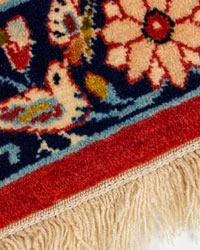
Textile - 85 cm - 53 cm


Opens tomorrow
Starting bid
€ 1
Add to your favourites to get an alert when the auction starts.

Catawiki Buyer Protection
Your payment’s safe with us until you receive your object.View details
Trustpilot 4.4 | 133284 reviews
Rated Excellent on Trustpilot.
Description from the seller
These are original 6 French tea towels dating back to the late 19th century, when this distinctive fabric first appeared.
Millions of meters of this raw linen were woven in what were then small factories to meet the sudden surge in demand. Every French household wanted this now-iconic look in their kitchens, particularly the bold vertical blood-red stripes. Over time, variations of these stripes were introduced, and their popularity only grew.
By the 1920s, however, tastes had changed, and many of these towels were set aside in armoires, waiting for another day.
In recent years, there has been a remarkable resurgence of interest in these textiles—this time embraced by a new generation, both in France and beyond, who are discovering their history for the first time.
The fabric produced was either pure linen or métis, a blend of 65% linen and 35% cotton. These towels were true workhorses of the household, designed to withstand harsh washing methods. Before washing machines became common in the 1930s, laundry day—typically Monday—meant a trip to the local washhouses by the village stream. Armed with wicker baskets, people would scrub and beat their linens against smooth stones under often difficult conditions.
This set of six tea towels features a bold red stripe and has the V.T. initials hand embroidered. in petit single cross stitch.
These are original 6 French tea towels dating back to the late 19th century, when this distinctive fabric first appeared.
Millions of meters of this raw linen were woven in what were then small factories to meet the sudden surge in demand. Every French household wanted this now-iconic look in their kitchens, particularly the bold vertical blood-red stripes. Over time, variations of these stripes were introduced, and their popularity only grew.
By the 1920s, however, tastes had changed, and many of these towels were set aside in armoires, waiting for another day.
In recent years, there has been a remarkable resurgence of interest in these textiles—this time embraced by a new generation, both in France and beyond, who are discovering their history for the first time.
The fabric produced was either pure linen or métis, a blend of 65% linen and 35% cotton. These towels were true workhorses of the household, designed to withstand harsh washing methods. Before washing machines became common in the 1930s, laundry day—typically Monday—meant a trip to the local washhouses by the village stream. Armed with wicker baskets, people would scrub and beat their linens against smooth stones under often difficult conditions.
This set of six tea towels features a bold red stripe and has the V.T. initials hand embroidered. in petit single cross stitch.
Details
Era
1400-1900
Material
Linen
Country of origin
France
Length
85 cm
Colour
Beige
Width
53 cm
Condition
Excellent condition: barely used with minimal signs of wear
Estimated period
1850-1900
Sold by