Box - Wood


05
days
16
hours
44
minutes
45
seconds
Current bid
€ 1
No reserve price

Expert
Selected by Elena Napoleone
Holds a bachelor's degree in history of art and architecture, with 12 years of experience in decorative arts.
Estimate € 90 - € 130
2 other people are watching this object
 | €1 |
|---|
Catawiki Buyer Protection
Your payment’s safe with us until you receive your object.View details
Trustpilot 4.4 | 133362 reviews
Rated Excellent on Trustpilot.
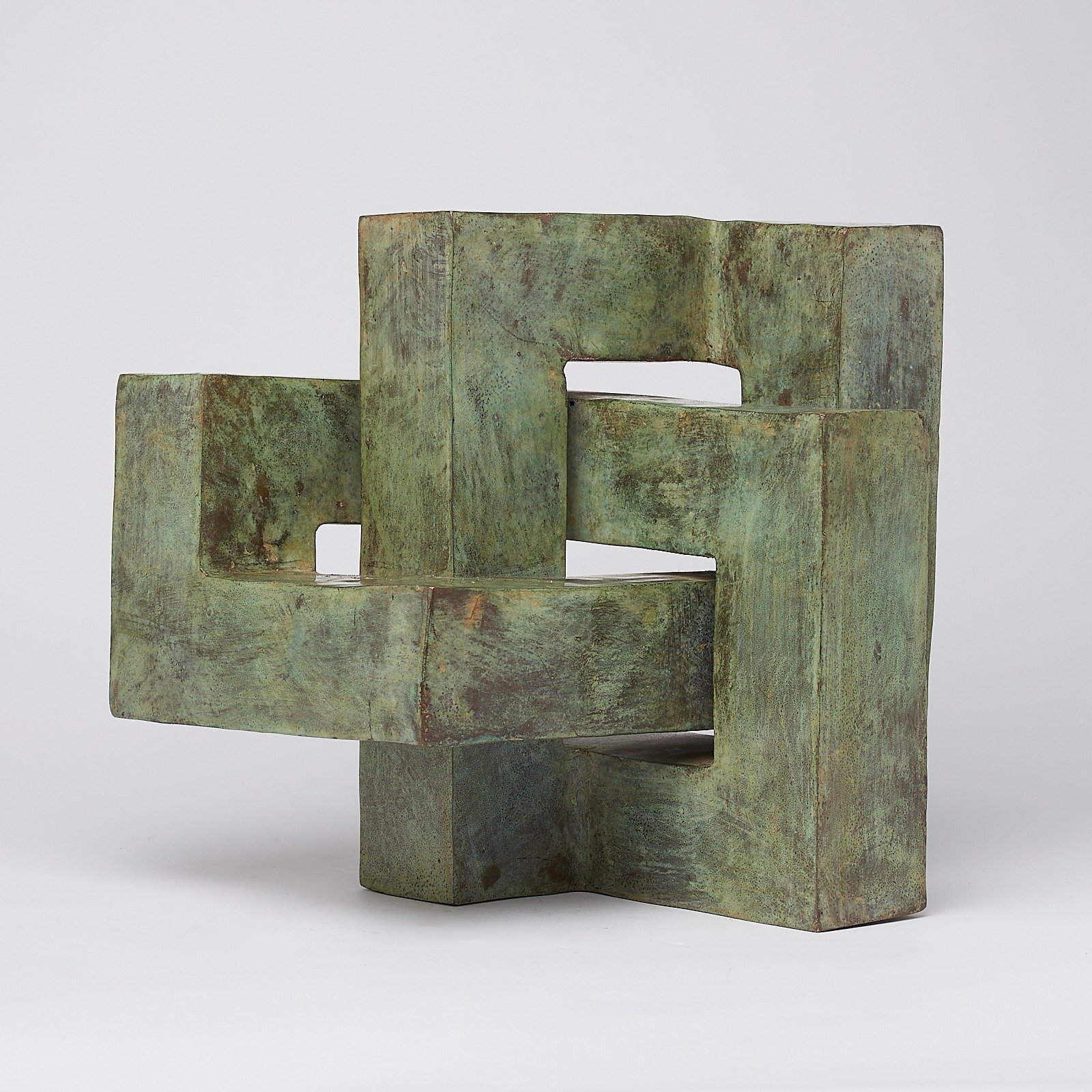
Russian Palekh lacquer box in wood, estimated period 1970–1980, 160 × 60 × 30 mm, in as new condition, made in Russia by master Михеев and signed Cyrillic on the bottom left.
AI-assisted summary
Description from the seller
Russian lacquer box - “Palekh Miniature”–based on Pushkin's fairy tale the “"The Tale of the Golden Cockerel"- papier-mache
Second half XX century - perfect condition- Russian lacquer boxes
Dimensions: 160 mm x 60 mm x 30 mm
Work artisan Михеев (Cyrillic)
perfect condition
papier-mache
Will be shipped registered and packaged carefully.
at the bottom -left in the Russian plot in Cyrillic - right signature of the master
Photos - of precisely those that are for sale.
Will be shipped registered and packaged carefully.
In "The Tale of the Golden Cockerel," Alexander Pushkin tells the parable of Tsar Dadon, for whom a magical cockerel predicts misfortune and preserves the peace of the kingdom. But this gift comes at a price: power, pride, and carelessness lead the hero to a fatal end. This wise and vivid tale is a warning about the price of greed and careless promises.
Palekh since the pre-Petrine times was famous for its icon painters. The greatest flourishing of Palekh iconography reached the XVIII - early XIX century. Local style was formed under the influence of Moscow, Novgorod, Stroganov and Yaroslavl schools. In addition to icon painting, the Paleshans were engaged in monumental painting, participating in the painting and restoration of churches and cathedrals, including the Faceted Chamber of the Moscow Kremlin, the temples of the Trinity-Sergius Lavra, the Novodevichy Monastery.
After the revolution of 1917 the painters of Palekh were forced to look for new forms of realizing their creative potential. In 1918 the artists created the Palekh Artistic Decorative Artel, which was engaged in painting on wood. The ancestors of the Palekh style are Ivan Golikov and Alexander Glazunov, in whose Moscow workshop Ivan Golikov wrote the first work in the so-called Palekh style. The Palesans got acquainted with the new material papier-mache, which for a century was the basis for the lacquer miniature Fedoskina. The masters mastered the new material, transferring to it the traditional for the ancient Russian icon-painting technology and conventional image stylistics. For the first time Palekh miniatures on papier-mache made at the request of the Handicraft Museum were presented at the All-Russian Agricultural and Artisanal Exhibition in 1923, where they were awarded diplomas of the 2 nd degree.
On December 5, 1924, the seven Palekh artists Ivan Golikov, Ivan Markichev, Ivan Bakanov, Ivan Zubkov, Alexander Zubkov, Alexander Kotukhin, and VV Kotukhin united in the Artel of Ancient Painting. Later they were joined by artists Ivan Vakurov, Dmitry Butorin, Nikolai Zinoviev. In 1925 Palekh miniatures were exhibited at the World Exhibition in Paris.
Typical plots of Palekh miniatures are borrowed from everyday life, literary works of classics, fairy tales, epics and songs. A number of compositions are based on the traditions of classical art [1]. Works are usually performed with tempera paints on a black background and painted with
Russian lacquer box - “Palekh Miniature”–based on Pushkin's fairy tale the “"The Tale of the Golden Cockerel"- papier-mache
Second half XX century - perfect condition- Russian lacquer boxes
Dimensions: 160 mm x 60 mm x 30 mm
Work artisan Михеев (Cyrillic)
perfect condition
papier-mache
Will be shipped registered and packaged carefully.
at the bottom -left in the Russian plot in Cyrillic - right signature of the master
Photos - of precisely those that are for sale.
Will be shipped registered and packaged carefully.
In "The Tale of the Golden Cockerel," Alexander Pushkin tells the parable of Tsar Dadon, for whom a magical cockerel predicts misfortune and preserves the peace of the kingdom. But this gift comes at a price: power, pride, and carelessness lead the hero to a fatal end. This wise and vivid tale is a warning about the price of greed and careless promises.
Palekh since the pre-Petrine times was famous for its icon painters. The greatest flourishing of Palekh iconography reached the XVIII - early XIX century. Local style was formed under the influence of Moscow, Novgorod, Stroganov and Yaroslavl schools. In addition to icon painting, the Paleshans were engaged in monumental painting, participating in the painting and restoration of churches and cathedrals, including the Faceted Chamber of the Moscow Kremlin, the temples of the Trinity-Sergius Lavra, the Novodevichy Monastery.
After the revolution of 1917 the painters of Palekh were forced to look for new forms of realizing their creative potential. In 1918 the artists created the Palekh Artistic Decorative Artel, which was engaged in painting on wood. The ancestors of the Palekh style are Ivan Golikov and Alexander Glazunov, in whose Moscow workshop Ivan Golikov wrote the first work in the so-called Palekh style. The Palesans got acquainted with the new material papier-mache, which for a century was the basis for the lacquer miniature Fedoskina. The masters mastered the new material, transferring to it the traditional for the ancient Russian icon-painting technology and conventional image stylistics. For the first time Palekh miniatures on papier-mache made at the request of the Handicraft Museum were presented at the All-Russian Agricultural and Artisanal Exhibition in 1923, where they were awarded diplomas of the 2 nd degree.
On December 5, 1924, the seven Palekh artists Ivan Golikov, Ivan Markichev, Ivan Bakanov, Ivan Zubkov, Alexander Zubkov, Alexander Kotukhin, and VV Kotukhin united in the Artel of Ancient Painting. Later they were joined by artists Ivan Vakurov, Dmitry Butorin, Nikolai Zinoviev. In 1925 Palekh miniatures were exhibited at the World Exhibition in Paris.
Typical plots of Palekh miniatures are borrowed from everyday life, literary works of classics, fairy tales, epics and songs. A number of compositions are based on the traditions of classical art [1]. Works are usually performed with tempera paints on a black background and painted with
Details
Era
1900-2000
Number of objects
1
Country of origin
Russia
Material
Wood
Condition
As new - unused
Height
160 mm
Width
60 mm
Depth
30 mm
Estimated period
1970-1980
Sold by