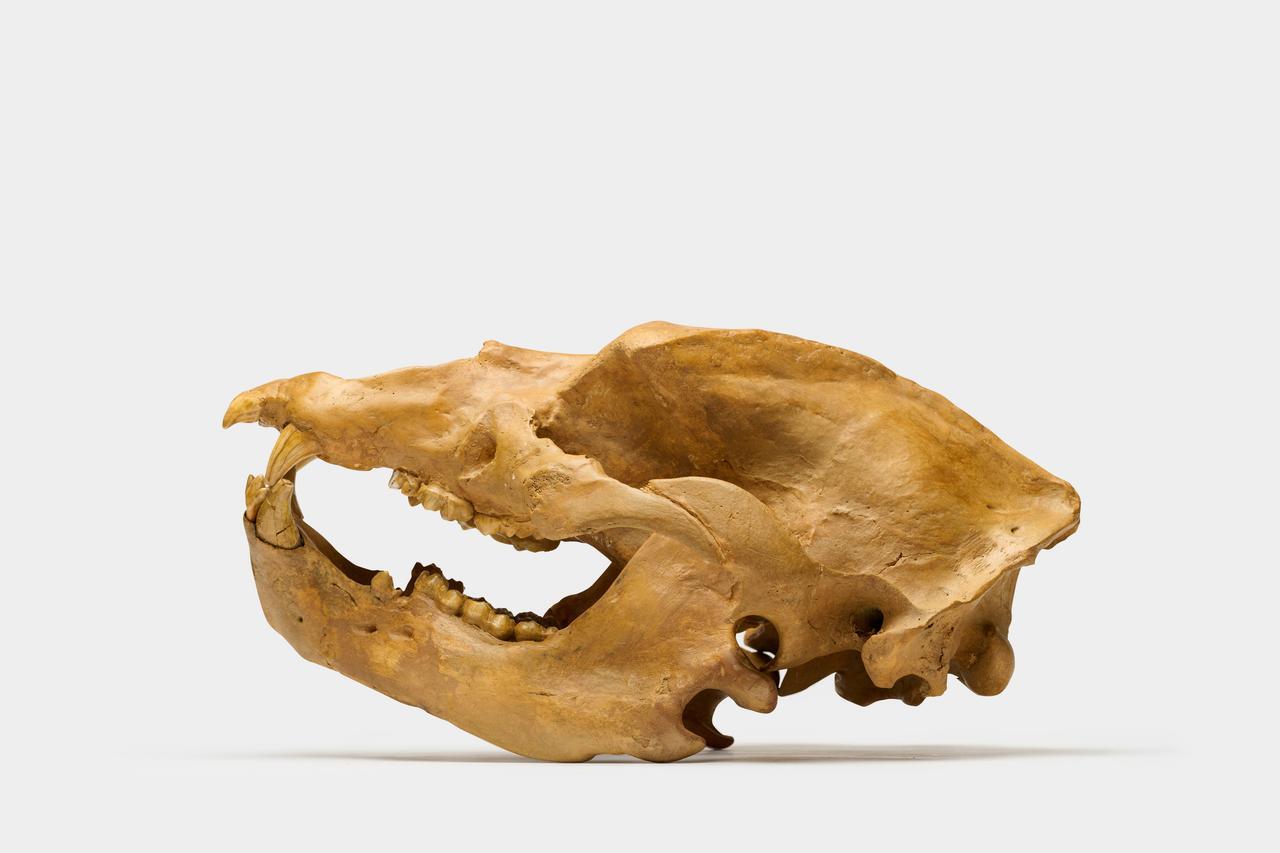
Megalodon - Fossil tooth - 11 cm


01
day
23
hours
44
minutes
49
seconds

7 other people are watching this object
 | €80 | |
|---|---|---|
 | €40 |
Catawiki Buyer Protection
Your payment’s safe with us until you receive your object.View details
Trustpilot 4.4 | 133613 reviews
Rated Excellent on Trustpilot.
Specimen Megalodonte (Carcharocles megalodon) from the Neogene Miocene in Indonesia; stabilized treatment and restored condition; authentic original.
AI-assisted summary
Description from the seller
Extraordinary specimen of a fossil tooth belonging to Carcharocles megalodon, the largest shark ever to have lived on Earth, extinct about 3.6 million years ago.
Characteristics:
Shape: Triangular, robust and symmetric, typical of anterior/lateral teeth of the jaw
Preservation: Excellent — enamel well preserved with clearly visible vertical striations along the edges
Color: Natural brown/amber, the result of sedimentary mineralization that occurred over millions of years
Root: Present and intact, opposite to slight restoration with the original sedimentary matrix still adhering
Serration: Very fine and well preserved on the sharp edges (carinae)
Condition: Excellent for a fossil of this antiquity.
Collecting interest: A piece with strong visual impact, ideal for fossil collectors, paleontology enthusiasts, or as a high-quality decorative element.
Otodus megalodon (whose species name, megalodon, derives from Greek and means "great tooth"), commonly known as megalodon or megalodonte, is an extinct species of giant shark that lived from the Early Miocene to the Early Pliocene, about 23–3.6 million years ago (Aquitano-Zancleano), whose large fossil teeth demonstrate a cosmopolitan distribution. In the past it was thought that O. megalodon belonged to the Lamnidae family and a close relative of the great white shark (Carcharodon carcharias), but subsequent studies reclassified it within the extinct Otodontidae family, a lineage that separated from the lineage of the great white shark during the Early Cretaceous.
Estimates of Megalodon’s size vary depending on the method used, with maximum total length projections ranging from 14.2 to 20.3 meters.
Extraordinary specimen of a fossil tooth belonging to Carcharocles megalodon, the largest shark ever to have lived on Earth, extinct about 3.6 million years ago.
Characteristics:
Shape: Triangular, robust and symmetric, typical of anterior/lateral teeth of the jaw
Preservation: Excellent — enamel well preserved with clearly visible vertical striations along the edges
Color: Natural brown/amber, the result of sedimentary mineralization that occurred over millions of years
Root: Present and intact, opposite to slight restoration with the original sedimentary matrix still adhering
Serration: Very fine and well preserved on the sharp edges (carinae)
Condition: Excellent for a fossil of this antiquity.
Collecting interest: A piece with strong visual impact, ideal for fossil collectors, paleontology enthusiasts, or as a high-quality decorative element.
Otodus megalodon (whose species name, megalodon, derives from Greek and means "great tooth"), commonly known as megalodon or megalodonte, is an extinct species of giant shark that lived from the Early Miocene to the Early Pliocene, about 23–3.6 million years ago (Aquitano-Zancleano), whose large fossil teeth demonstrate a cosmopolitan distribution. In the past it was thought that O. megalodon belonged to the Lamnidae family and a close relative of the great white shark (Carcharodon carcharias), but subsequent studies reclassified it within the extinct Otodontidae family, a lineage that separated from the lineage of the great white shark during the Early Cretaceous.
Estimates of Megalodon’s size vary depending on the method used, with maximum total length projections ranging from 14.2 to 20.3 meters.
Details
Specimen
Megalodon
Country of origin
Indonesia
Geological period
Neogene, Miocene (23.03 - 5.33 million years)
Condition
Restored
Treatment
stabilized
Height
11 cm
Authenticity
Original/official
Sold by