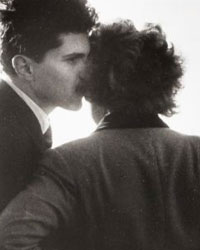
Zoltán Glass (1903-1981) - Nude Study, c.1950


05
days
05
hours
39
minutes
44
seconds
Starting bid
€ 1
No reserve price

Expert
Selected by Kai Brückner
Over 35 years' experience; former gallery owner and Museum Folkwang curator.
Estimate € 200 - € 250
No bids placed
Catawiki Buyer Protection
Your payment’s safe with us until you receive your object.View details
Trustpilot 4.4 | 137988 reviews
Rated Excellent on Trustpilot.
Description from the seller
Nude Study, c.1950, gelatin silver print, with copyright stamps of the photographer (verso), and original editorial scratching/retouching marks to the model's body on the print surface (recto).
In good condition, isolated creases, slight corner bumps. Please check the scans for details.
Zoltán Glass (1903–1982) was a Hungarian-born photographer active in Berlin during the 1920s and 1930s, working across modernist advertising, sport, and figure studies. Although best known for his dynamic industrial and automotive imagery, Glass also produced refined photographs of the human body, treating the nude with the same clarity, structure, and modern visual discipline found in the work of contemporaries such as László Moholy-Nagy, Rudolf Koppitz, and Albert Renger-Patzsch. His photographs reflect the wider world of Bauhaus, Neue Sachlichkeit, and interwar European modernism, combining elegance, formal control, and a distinctly machine-age sense of design. Today, Zoltán Glass is regarded as an important figure in early 20th-century modernist photography, spanning both commercial imagery and the stylised representation of the body.
Nude Study, c.1950, gelatin silver print, with copyright stamps of the photographer (verso), and original editorial scratching/retouching marks to the model's body on the print surface (recto).
In good condition, isolated creases, slight corner bumps. Please check the scans for details.
Zoltán Glass (1903–1982) was a Hungarian-born photographer active in Berlin during the 1920s and 1930s, working across modernist advertising, sport, and figure studies. Although best known for his dynamic industrial and automotive imagery, Glass also produced refined photographs of the human body, treating the nude with the same clarity, structure, and modern visual discipline found in the work of contemporaries such as László Moholy-Nagy, Rudolf Koppitz, and Albert Renger-Patzsch. His photographs reflect the wider world of Bauhaus, Neue Sachlichkeit, and interwar European modernism, combining elegance, formal control, and a distinctly machine-age sense of design. Today, Zoltán Glass is regarded as an important figure in early 20th-century modernist photography, spanning both commercial imagery and the stylised representation of the body.
Details
Artist
Zoltán Glass (1903-1981)
Sold by
Owner or reseller
Title of artwork
Nude Study, c.1950
Condition
Extremely fine
Technique
Gelatin-silver print
Height
25 cm
Width
20 cm
Signature
Stamped
Genre
Nude