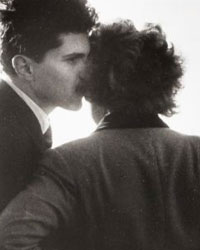
Stefanie Schneider - Blue House (29 Palms, CA) - triptych, Self Portrait


06
days
08
hours
18
minutes
19
seconds
Current bid
€ 1
No reserve price

Expert
Selected by Kai Brückner
Over 35 years' experience; former gallery owner and Museum Folkwang curator.
Estimate € 2,500 - € 3,000
 | €1 |
|---|
Catawiki Buyer Protection
Your payment’s safe with us until you receive your object.View details
Trustpilot 4.4 | 139335 reviews
Rated Excellent on Trustpilot.
Description from the seller
Blue House' (29 Palms, CA) - Self Portrait - 1998, triptych
Edition 25/25,
38x37cm each, together installed 38 x 125cm with gaps.
Analog C-Prints, hand-printed by the artist, based on the 3 original Polaroids,
not mounted.
Artist Inventory #316.25.
Signature label and Certificate.
Stefanie Schneider is avant-garde, feminist, resilient, emotional, extroverted, and transgressive. She is passionate, rebellious, and deeply independent — guided by instinct, rooted in lived experience, and fearless in expressing the raw beauty of imperfection.
Avant-garde:
She defies photographic conventions by working with expired Polaroid film, embracing chemical instability as a visual language. Her style is unmistakably her own — blending nostalgia, dream states, and emotional truth into something that feels both timeless and urgent.
Feminist:
Her work centers female voices, bodies, and states of being. It explores identity, intimacy, desire, and autonomy, offering honest, sometimes uncomfortable glimpses into the complexity of womanhood without objectifying or romanticizing it.
Resilient:
Her art is shaped by risk — not just technically, but emotionally. She chooses a medium that is fragile, unstable, and unpredictable, and yet she harnesses that fragility with precision. Her resilience shows in her decades of consistent vision, despite trends or pressures to conform.
Emotional:
Her images ache with feeling — longing, loneliness, love, tension, hope. The faded colors and ghosted figures don’t obscure the emotion; they amplify it. She doesn’t tell you what to feel — she creates space where your own memories and emotions rise to meet the work.
Extroverted:
Though often exploring themes of solitude, her work is inherently social. She collaborates with models, musicians, actors — drawing people into her world with warmth and curiosity. Her images often feel like a quiet conversation held in sunlight and dust.
Transgressive:
She disregards the polished perfection that dominates photography. Instead, she builds an aesthetic out of what others might discard: chemical errors, light leaks, faded exposures. Her refusal to sanitize or explain away imperfection is quietly radical.
Passion for art:
She lives it. Every Polaroid is not just a picture but part of a greater story — a film, a memory, a life. Her devotion to analog materials in a digital world speaks to a deeper philosophy: that meaning lies not in speed or clarity, but in presence.
Striving for ideals:
She doesn’t follow the map — she makes her own. Every project is built around authenticity, storytelling, and a trust in instinct. She works slowly, deliberately, in alignment with her values — and the result is work that endures.
Her art doesn’t just show you something — it stays with you, like a memory you can’t quite place, but somehow remember feeling.
Blue House' (29 Palms, CA) - Self Portrait - 1998, triptych
Edition 25/25,
38x37cm each, together installed 38 x 125cm with gaps.
Analog C-Prints, hand-printed by the artist, based on the 3 original Polaroids,
not mounted.
Artist Inventory #316.25.
Signature label and Certificate.
Stefanie Schneider is avant-garde, feminist, resilient, emotional, extroverted, and transgressive. She is passionate, rebellious, and deeply independent — guided by instinct, rooted in lived experience, and fearless in expressing the raw beauty of imperfection.
Avant-garde:
She defies photographic conventions by working with expired Polaroid film, embracing chemical instability as a visual language. Her style is unmistakably her own — blending nostalgia, dream states, and emotional truth into something that feels both timeless and urgent.
Feminist:
Her work centers female voices, bodies, and states of being. It explores identity, intimacy, desire, and autonomy, offering honest, sometimes uncomfortable glimpses into the complexity of womanhood without objectifying or romanticizing it.
Resilient:
Her art is shaped by risk — not just technically, but emotionally. She chooses a medium that is fragile, unstable, and unpredictable, and yet she harnesses that fragility with precision. Her resilience shows in her decades of consistent vision, despite trends or pressures to conform.
Emotional:
Her images ache with feeling — longing, loneliness, love, tension, hope. The faded colors and ghosted figures don’t obscure the emotion; they amplify it. She doesn’t tell you what to feel — she creates space where your own memories and emotions rise to meet the work.
Extroverted:
Though often exploring themes of solitude, her work is inherently social. She collaborates with models, musicians, actors — drawing people into her world with warmth and curiosity. Her images often feel like a quiet conversation held in sunlight and dust.
Transgressive:
She disregards the polished perfection that dominates photography. Instead, she builds an aesthetic out of what others might discard: chemical errors, light leaks, faded exposures. Her refusal to sanitize or explain away imperfection is quietly radical.
Passion for art:
She lives it. Every Polaroid is not just a picture but part of a greater story — a film, a memory, a life. Her devotion to analog materials in a digital world speaks to a deeper philosophy: that meaning lies not in speed or clarity, but in presence.
Striving for ideals:
She doesn’t follow the map — she makes her own. Every project is built around authenticity, storytelling, and a trust in instinct. She works slowly, deliberately, in alignment with her values — and the result is work that endures.
Her art doesn’t just show you something — it stays with you, like a memory you can’t quite place, but somehow remember feeling.
Details
Artist
Stefanie Schneider
Sold by
Direct from the artist
Title of artwork
Blue House (29 Palms, CA) - triptych, Self Portrait
Condition
Extremely fine
Technique
C-Print, Polaroid
Height
38 cm
Edition
25/25
Width
118 cm
Signature
Signed
Genre
Fine art photography
Sold by