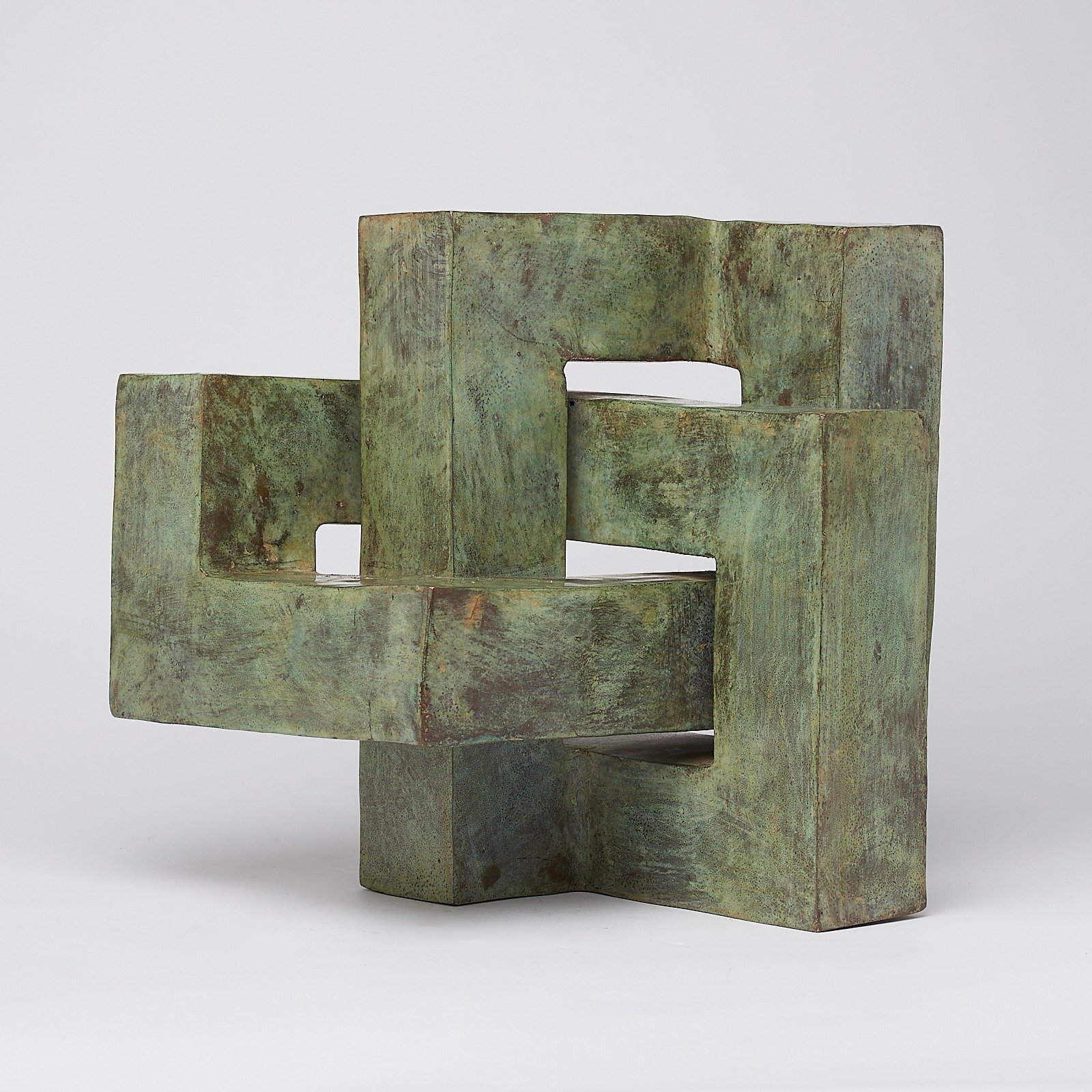
Decorative ornament - Italy


07
days
20
hours
54
minutes
55
seconds
Current bid
€ 6
No reserve price

Expert
Selected by Elena Napoleone
Holds a bachelor's degree in history of art and architecture, with 12 years of experience in decorative arts.
Estimate € 250 - € 300
 | €6 | |
|---|---|---|
| €3 |
Catawiki Buyer Protection
Your payment’s safe with us until you receive your object.View details
Trustpilot 4.4 | 139958 reviews
Rated Excellent on Trustpilot.
Antique hand-painted wooden board from Italy, dating to the 20th century, made of pine wood (Abete rosso) with dimensions 40 cm high by 100 cm wide and 5 cm deep, originating from Sicily and featuring historical and cavalier scenes.
AI-assisted summary
Description from the seller
Antique wooden table painted by hand in Sicilian cart style, with historical and chivalric scenes, and today recognized worldwide as an icon and symbol of the island's folklore. Origins and Function
Origins and Function: It was born in the early decades of the 19th century to travel the roads and byways of the inland. It was used to transport fruit, wine, grain, and timber. It was driven by the cart driver, a key figure who traveled and carried news and culture between the villages. It showed the owner's social status, who often rose from simple farmer to merchant. The Art and Decoration
The construction required the work of master artisans: the carpenter for wood, the sculptor for the carvings, the blacksmith for iron, and the painter for the colors. The decorations depicted stories of the Paladins of France, myths or saints. They had a strong apotropaic and protective function, to ward off misfortune and preserve the wood. The dominant colors were vivid, like lava red and sea blue. To fully understand the craftsmanship and the decorative details that make this medium a unique masterpiece of the popular tradition, the panel measures are 40 cm in height by 100 cm in width.
Antique wooden table painted by hand in Sicilian cart style, with historical and chivalric scenes, and today recognized worldwide as an icon and symbol of the island's folklore. Origins and Function
Origins and Function: It was born in the early decades of the 19th century to travel the roads and byways of the inland. It was used to transport fruit, wine, grain, and timber. It was driven by the cart driver, a key figure who traveled and carried news and culture between the villages. It showed the owner's social status, who often rose from simple farmer to merchant. The Art and Decoration
The construction required the work of master artisans: the carpenter for wood, the sculptor for the carvings, the blacksmith for iron, and the painter for the colors. The decorations depicted stories of the Paladins of France, myths or saints. They had a strong apotropaic and protective function, to ward off misfortune and preserve the wood. The dominant colors were vivid, like lava red and sea blue. To fully understand the craftsmanship and the decorative details that make this medium a unique masterpiece of the popular tradition, the panel measures are 40 cm in height by 100 cm in width.
Details
Era
1900-2000
Wood type
Spruce
Specific region of origin
Sicilia
Number of objects
1
Material
Wood
Country of origin
Italy
Condition
Good condition - used with small signs of aging & blemishes
Height
40 cm
Width
100 cm
Depth
5 cm
Estimated period
20th century
Sold by