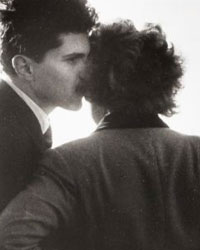
Miloš Stibor - Nude


05
days
23
hours
47
minutes
26
seconds
Starting bid
€ 1
Reserve price not met

Expert
Selected by Kai Brückner
Over 35 years' experience; former gallery owner and Museum Folkwang curator.
Estimate € 500 - € 600
No bids placed
Catawiki Buyer Protection
Your payment’s safe with us until you receive your object.View details
Trustpilot 4.4 | 139647 reviews
Rated Excellent on Trustpilot.
Description from the seller
Size: 30 x 24
photo from the portfolio Meetings 1983 IN MEMORIAM TO TARAS KUŠČYNSKÍMU, Exchange action 1983
the album was made in only 55 pieces and only for the author of the photo from the given album. Every family protects the albums like the apple of their eye, that's why these photos can't be bought on the market. They are inherited. That's why you have a unique opportunity to own one of these photos.
I am only selling the photo itself.
Miloslav Stibor (1927–2011) was one of the most important Czech photographers of the post-war period and one of the leading artists in the history of Czech photographic nude.
His most important creative period came during the 1960s and 1970s, when he developed a highly distinctive style based on dramatic lighting, strong contrasts between black and white, carefully selected fragments of the human body and a sophisticated sense of composition. (Muzeum umění Olomouc)
Stibor’s greatest achievement was the cycle 15 Photographs for Henry Miller, created in 1968–1969 and inspired by Henry Miller’s novel Tropic of Cancer. The series presented fragmented female bodies emerging from darkness, using dramatic light to emphasize skin, texture, curves and movement. The photographs were unusually direct and sensual for their time and represented a major departure from the more idealized tradition of the Czech photographic nude. (photorevue.com)
The photograph Miller No. 7 became Stibor’s best-known image. It achieved an extraordinary international life: it was reproduced and published in numerous contexts and became almost an icon of Czech photographic nude, to the extent that it sometimes overshadowed the rest of his extensive body of work. (Muzeum umění Olomouc)
Stibor subsequently moved away from the radical expression of the Miller series and developed a more lyrical approach to the female nude. During the 1970s he created cycles inspired by ancient mythology, with subjects and figures such as Terpsichore, Bacchus, Chloe, Sappho, Phryne and Lamia. These photographs combined the human body with movement, flowing fabrics and atmospheric compositions, creating an almost dreamlike interpretation of classical mythology. (Cena města Olomouce)
His artistic achievements were considerable. Stibor received the prestigious MFIAP distinction (Maître de la Fédération Internationale de l’Art Photographique) and the Golden Badge of the Union of Czech Photographers. He held more than 140 solo exhibitions and participated in approximately 400 group exhibitions, including exhibitions throughout Europe, the United States, Australia and other countries. His work was published internationally, including in books issued in the United States, Switzerland, Germany and Belgium. (zusmsol.cz)
His exhibitions included important international presentations in Rome, Munich, Vienna, Hamburg, Riga and Moscow, while his work was also exhibited in Italy and France. In 1983, for example, his work was shown at Galeria Diaframma in Milan and in Bordeaux. (Cena města Olomouce)
Stibor was also an exceptionally important teacher and educator. In 1960 he founded the art school in Olomouc that later became the Basic Art School of Miloslav Stibor. He introduced photography education into the school’s curriculum and wrote the textbook Photography at the People’s School of Art, which received the Czech Literary Fund Award in 1982. He later taught photography at the Institute of Creative Photography in Opava, where he specialized, among other subjects, in the photographic nude, architecture and lighting. (zusmsol.cz)
In 2002, Stibor received the City of Olomouc Award for his contribution to culture. (Cena města Olomouce)
Today, Stibor is regarded as a classic of Czech post-war photography. His importance is particularly strong in the history of the photographic nude, where his work helped move Czech photography away from conventional, idealized representations of the female body toward a much more expressive, intimate and formally sophisticated language. (Ministerstvo kultúry)
For collectors, the most historically significant works are particularly his 1960s vintage prints, above all photographs from the 15 Photographs for Henry Miller cycle. These belong to the most important and recognizable examples of Czech photographic nude of the 20th century.
Setkání 1983 – In Memoriam Taras Kuščynskyj
The photographic album Setkání 1983 – Výměnná akce, created in memory of the Czech photographer Taras Kuščynskyj (1932–1983), is a particularly interesting document of the Czech photographic scene of the late socialist period.
Kuščynskyj died on 27 December 1983 and had been one of the important Czech photographers of his generation. He was a co-founder of the photographic group Setkání, established in 1976. During his career he held 35 exhibitions, including exhibitions abroad in the Netherlands, Austria and Japan. His work was particularly associated with portraits, the female nude and photography in the landscape. (wwg.cz)
The Výměnná akce project is significant because it represents a different way of circulating photographic art outside the conventional exhibition system. Rather than functioning simply as a standard exhibition catalogue, these photographic books and portfolios allowed individual photographers to exchange and distribute original photographic works among themselves.
This type of activity was especially meaningful in the cultural environment of Czechoslovakia under communist rule, when opportunities for independent artistic presentation were limited and the official exhibition system was subject to institutional control. Informal photographic groups, personal networks and exchange projects therefore became important ways of maintaining contact between artists and allowing experimental work to circulate.
The 1983 volume acquired an additional memorial significance following Kuščynskyj’s death. The Czech national digital collection eSbirky records works explicitly identified as belonging to “Výměnná akce 1983. In memoriam Tarasu Kusčynskému”, as well as a work described as part of the “14. kniha 83”. (eSbírky)
For collectors, this makes Setkání 1983 more than simply a photographic album. It is a document of the Czech photographic community and its methods of artistic exchange during the communist period. Its importance lies not only in the individual photographs, but also in the provenance, collective authorship and historical circumstances surrounding its creation.
The connection with Taras Kuščynskyj is particularly important. In the year of his death, he had his final Prague exhibition at Fotochema as part of Interkamera, while his final exhibition during his lifetime took place at the Museum of Ukrainian Culture in Svidník. (wwg.cz)
For this reason, a complete and well-preserved example of Setkání 1983 – Výměnná akce / In Memoriam Taras Kuščynskyj can be regarded as a rare piece of photographic ephemera documenting the underground or semi-independent circulation of photography in 1980s Czechoslovakia. Its value is therefore both artistic and historical.
Size: 30 x 24
photo from the portfolio Meetings 1983 IN MEMORIAM TO TARAS KUŠČYNSKÍMU, Exchange action 1983
the album was made in only 55 pieces and only for the author of the photo from the given album. Every family protects the albums like the apple of their eye, that's why these photos can't be bought on the market. They are inherited. That's why you have a unique opportunity to own one of these photos.
I am only selling the photo itself.
Miloslav Stibor (1927–2011) was one of the most important Czech photographers of the post-war period and one of the leading artists in the history of Czech photographic nude.
His most important creative period came during the 1960s and 1970s, when he developed a highly distinctive style based on dramatic lighting, strong contrasts between black and white, carefully selected fragments of the human body and a sophisticated sense of composition. (Muzeum umění Olomouc)
Stibor’s greatest achievement was the cycle 15 Photographs for Henry Miller, created in 1968–1969 and inspired by Henry Miller’s novel Tropic of Cancer. The series presented fragmented female bodies emerging from darkness, using dramatic light to emphasize skin, texture, curves and movement. The photographs were unusually direct and sensual for their time and represented a major departure from the more idealized tradition of the Czech photographic nude. (photorevue.com)
The photograph Miller No. 7 became Stibor’s best-known image. It achieved an extraordinary international life: it was reproduced and published in numerous contexts and became almost an icon of Czech photographic nude, to the extent that it sometimes overshadowed the rest of his extensive body of work. (Muzeum umění Olomouc)
Stibor subsequently moved away from the radical expression of the Miller series and developed a more lyrical approach to the female nude. During the 1970s he created cycles inspired by ancient mythology, with subjects and figures such as Terpsichore, Bacchus, Chloe, Sappho, Phryne and Lamia. These photographs combined the human body with movement, flowing fabrics and atmospheric compositions, creating an almost dreamlike interpretation of classical mythology. (Cena města Olomouce)
His artistic achievements were considerable. Stibor received the prestigious MFIAP distinction (Maître de la Fédération Internationale de l’Art Photographique) and the Golden Badge of the Union of Czech Photographers. He held more than 140 solo exhibitions and participated in approximately 400 group exhibitions, including exhibitions throughout Europe, the United States, Australia and other countries. His work was published internationally, including in books issued in the United States, Switzerland, Germany and Belgium. (zusmsol.cz)
His exhibitions included important international presentations in Rome, Munich, Vienna, Hamburg, Riga and Moscow, while his work was also exhibited in Italy and France. In 1983, for example, his work was shown at Galeria Diaframma in Milan and in Bordeaux. (Cena města Olomouce)
Stibor was also an exceptionally important teacher and educator. In 1960 he founded the art school in Olomouc that later became the Basic Art School of Miloslav Stibor. He introduced photography education into the school’s curriculum and wrote the textbook Photography at the People’s School of Art, which received the Czech Literary Fund Award in 1982. He later taught photography at the Institute of Creative Photography in Opava, where he specialized, among other subjects, in the photographic nude, architecture and lighting. (zusmsol.cz)
In 2002, Stibor received the City of Olomouc Award for his contribution to culture. (Cena města Olomouce)
Today, Stibor is regarded as a classic of Czech post-war photography. His importance is particularly strong in the history of the photographic nude, where his work helped move Czech photography away from conventional, idealized representations of the female body toward a much more expressive, intimate and formally sophisticated language. (Ministerstvo kultúry)
For collectors, the most historically significant works are particularly his 1960s vintage prints, above all photographs from the 15 Photographs for Henry Miller cycle. These belong to the most important and recognizable examples of Czech photographic nude of the 20th century.
Setkání 1983 – In Memoriam Taras Kuščynskyj
The photographic album Setkání 1983 – Výměnná akce, created in memory of the Czech photographer Taras Kuščynskyj (1932–1983), is a particularly interesting document of the Czech photographic scene of the late socialist period.
Kuščynskyj died on 27 December 1983 and had been one of the important Czech photographers of his generation. He was a co-founder of the photographic group Setkání, established in 1976. During his career he held 35 exhibitions, including exhibitions abroad in the Netherlands, Austria and Japan. His work was particularly associated with portraits, the female nude and photography in the landscape. (wwg.cz)
The Výměnná akce project is significant because it represents a different way of circulating photographic art outside the conventional exhibition system. Rather than functioning simply as a standard exhibition catalogue, these photographic books and portfolios allowed individual photographers to exchange and distribute original photographic works among themselves.
This type of activity was especially meaningful in the cultural environment of Czechoslovakia under communist rule, when opportunities for independent artistic presentation were limited and the official exhibition system was subject to institutional control. Informal photographic groups, personal networks and exchange projects therefore became important ways of maintaining contact between artists and allowing experimental work to circulate.
The 1983 volume acquired an additional memorial significance following Kuščynskyj’s death. The Czech national digital collection eSbirky records works explicitly identified as belonging to “Výměnná akce 1983. In memoriam Tarasu Kusčynskému”, as well as a work described as part of the “14. kniha 83”. (eSbírky)
For collectors, this makes Setkání 1983 more than simply a photographic album. It is a document of the Czech photographic community and its methods of artistic exchange during the communist period. Its importance lies not only in the individual photographs, but also in the provenance, collective authorship and historical circumstances surrounding its creation.
The connection with Taras Kuščynskyj is particularly important. In the year of his death, he had his final Prague exhibition at Fotochema as part of Interkamera, while his final exhibition during his lifetime took place at the Museum of Ukrainian Culture in Svidník. (wwg.cz)
For this reason, a complete and well-preserved example of Setkání 1983 – Výměnná akce / In Memoriam Taras Kuščynskyj can be regarded as a rare piece of photographic ephemera documenting the underground or semi-independent circulation of photography in 1980s Czechoslovakia. Its value is therefore both artistic and historical.
Details
Date of print
1983
Artist
Miloš Stibor
Sold by
Owner or reseller
Title of artwork
Nude
Condition
Fine
Technique
Gelatin-silver print
Height
30 cm
Width
24 cm
Signature
Signed
Genre
Nude
Sold by