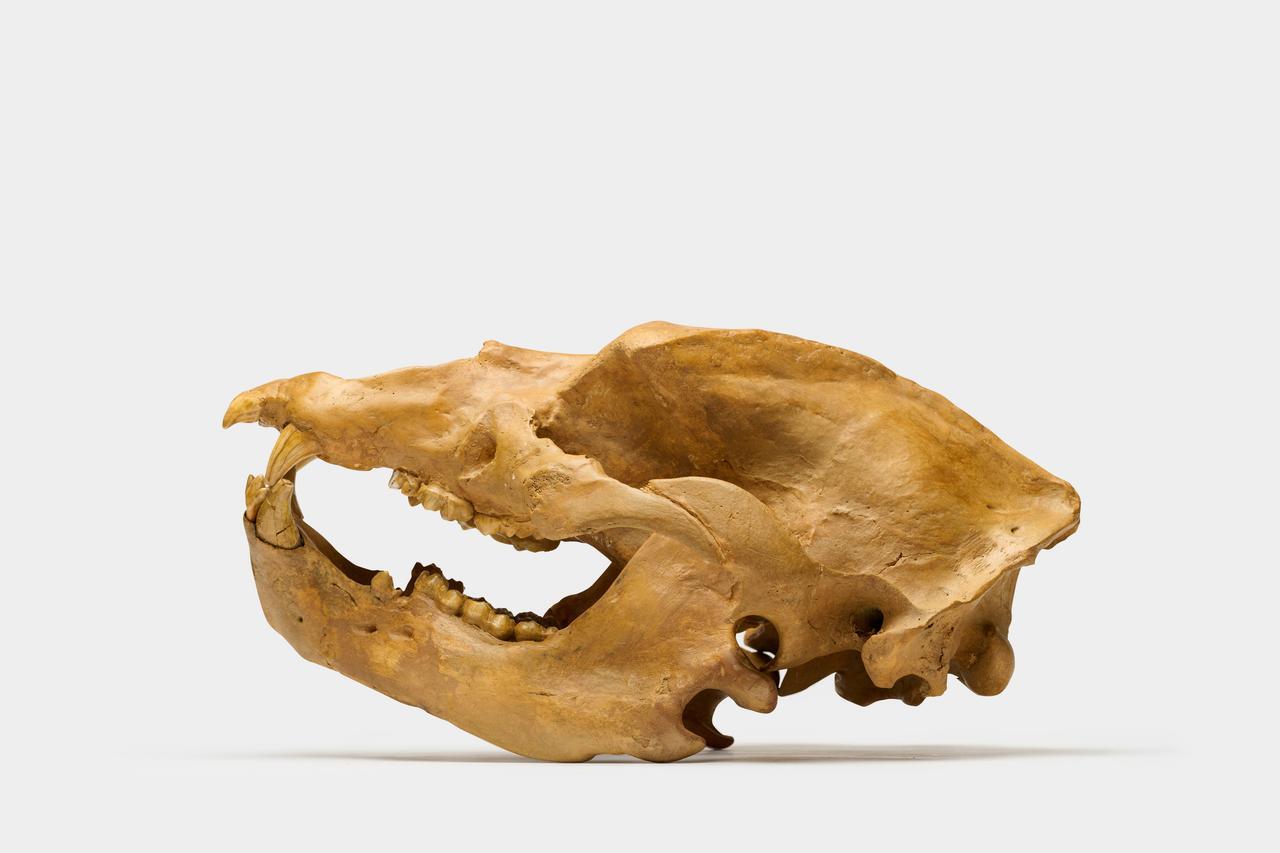
Orthoceras - Fossilised animal


04
days
12
hours
55
minutes
31
seconds

No bids placed
Catawiki Buyer Protection
Your payment’s safe with us until you receive your object.View details
Trustpilot 4.4 | 140009 reviews
Rated Excellent on Trustpilot.
Description from the seller
Beautiful slab with several specimens of Orthoceras from Morocco. These marine animals were among the first living forms to inhabit the planet. Found in the northwestern Sahara.
Orthoceras are extinct cephalopod mollusks, belonging to a group that is now extinct. These marine creatures lived in the oceans hundreds of millions of years ago, mainly during the Ordovician and Silurian periods. Their name, in Greek meaning “straight horn,” refers to the distinctive shape of their conical, elongated shell. This shell was divided into chambers, separated by septa, and traversed by a siphon.
The Orthoceras shell is probably their most distinctive feature. It was made of aragonite, the mineral that also forms the shells of many current mollusks. Over time, under the influence of geological processes such as sedimentation and mineralization, these shells fossilized, giving rise to the specimens we admire today.
Orthoceras fossils are valuable witnesses of marine life from a bygone era. Studying them allows scientists to reconstruct ancient ecosystems, understand the evolution of species, and better comprehend the major changes that have marked Earth's history.
***The exhibition stand is not included***
Beautiful slab with several specimens of Orthoceras from Morocco. These marine animals were among the first living forms to inhabit the planet. Found in the northwestern Sahara.
Orthoceras are extinct cephalopod mollusks, belonging to a group that is now extinct. These marine creatures lived in the oceans hundreds of millions of years ago, mainly during the Ordovician and Silurian periods. Their name, in Greek meaning “straight horn,” refers to the distinctive shape of their conical, elongated shell. This shell was divided into chambers, separated by septa, and traversed by a siphon.
The Orthoceras shell is probably their most distinctive feature. It was made of aragonite, the mineral that also forms the shells of many current mollusks. Over time, under the influence of geological processes such as sedimentation and mineralization, these shells fossilized, giving rise to the specimens we admire today.
Orthoceras fossils are valuable witnesses of marine life from a bygone era. Studying them allows scientists to reconstruct ancient ecosystems, understand the evolution of species, and better comprehend the major changes that have marked Earth's history.
***The exhibition stand is not included***
Details
Specimen
Orthoceras
Country of origin
Morocco
Geological period
Ordovician (485.4 - 443.8 million years)
Condition
Natural
Treatment
Polished
Authenticity
Original/official