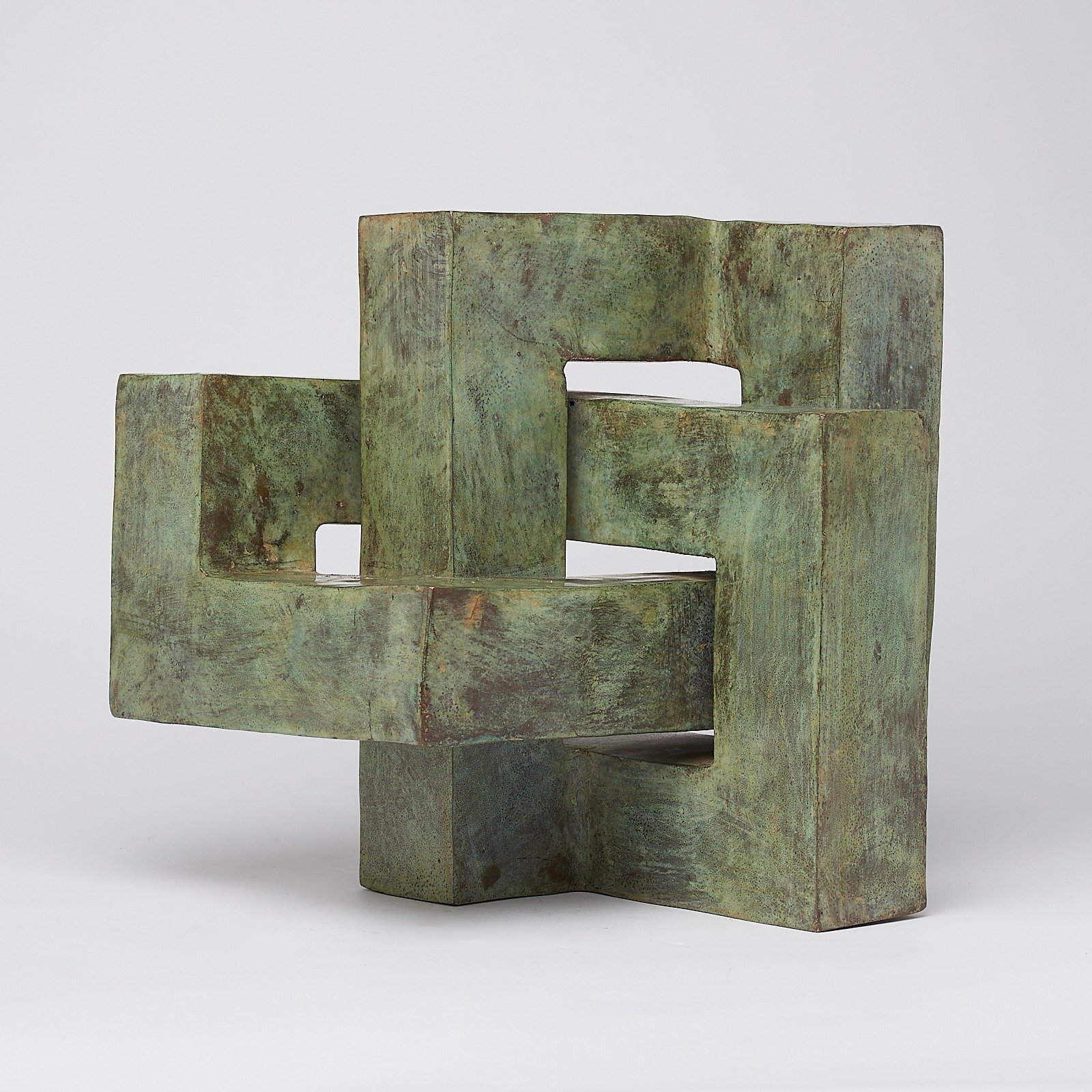
Vase - Glass - Brockwitz, Germany


05
days
14
hours
44
minutes
38
seconds
Starting bid
€ 1
No reserve price

Expert
Selected by Elena Napoleone
Holds a bachelor's degree in history of art and architecture, with 12 years of experience in decorative arts.
Estimate € 90 - € 130
No bids placed
Catawiki Buyer Protection
Your payment’s safe with us until you receive your object.View details
Trustpilot 4.4 | 141255 reviews
Rated Excellent on Trustpilot.
Carnival Glass cylindrical vase from Brockwitz Germany, dating to the 20th century (circa 1910), made of glass; height 24 cm, diameter 8.5 cm, weight 500 g, in good condition with minor signs of age and spots.
AI-assisted summary
Description from the seller
Carnival Glass vase Brockwitz Germany
This beautiful cylindrical vase from around 1910 is a splendid example of Carnival Glass, a glass type known for its mesmerizing oily luster.
Depending on the light, a mix of purple, gold, blue and green hues dances across the glass.
The vase is richly decorated with geometric patterns, star-shaped flowers and fan-like details. The iridescent finish, so characteristic of Carnival Glass, was achieved at the time by applying a thin layer of metal oxides during the manufacturing process.
Carnival Glass was first produced around 1908 by the Fenton Art Glass Company in the U.S. and quickly became popular worldwide.
It was introduced as an affordable alternative to luxury iridescent glass, such as the famous Favrile Glass by Louis Comfort Tiffany.
Originally it was sold in department stores, but later it was also distributed as prizes at fairs (carnivals), hence the name.
This contributed to its widespread distribution and popularity, especially in North America and Europe.
The vase has light imperfections such as scratches and a small chip on the rim, as seen in the photo.
Carnival Glass vase Brockwitz Germany
This beautiful cylindrical vase from around 1910 is a splendid example of Carnival Glass, a glass type known for its mesmerizing oily luster.
Depending on the light, a mix of purple, gold, blue and green hues dances across the glass.
The vase is richly decorated with geometric patterns, star-shaped flowers and fan-like details. The iridescent finish, so characteristic of Carnival Glass, was achieved at the time by applying a thin layer of metal oxides during the manufacturing process.
Carnival Glass was first produced around 1908 by the Fenton Art Glass Company in the U.S. and quickly became popular worldwide.
It was introduced as an affordable alternative to luxury iridescent glass, such as the famous Favrile Glass by Louis Comfort Tiffany.
Originally it was sold in department stores, but later it was also distributed as prizes at fairs (carnivals), hence the name.
This contributed to its widespread distribution and popularity, especially in North America and Europe.
The vase has light imperfections such as scratches and a small chip on the rim, as seen in the photo.
Details
Era
1900-2000
Weight
500 g
Title additional information
Brockwitz, Germany
Number of objects
1
Country of origin
Germany
Material
Glass
Condition
Good condition - used with small signs of aging & blemishes
Height
24 cm
Width
8.5 cm
Depth
8.5 cm
Diameter
8.5 cm
Estimated period
20th century
Sold by