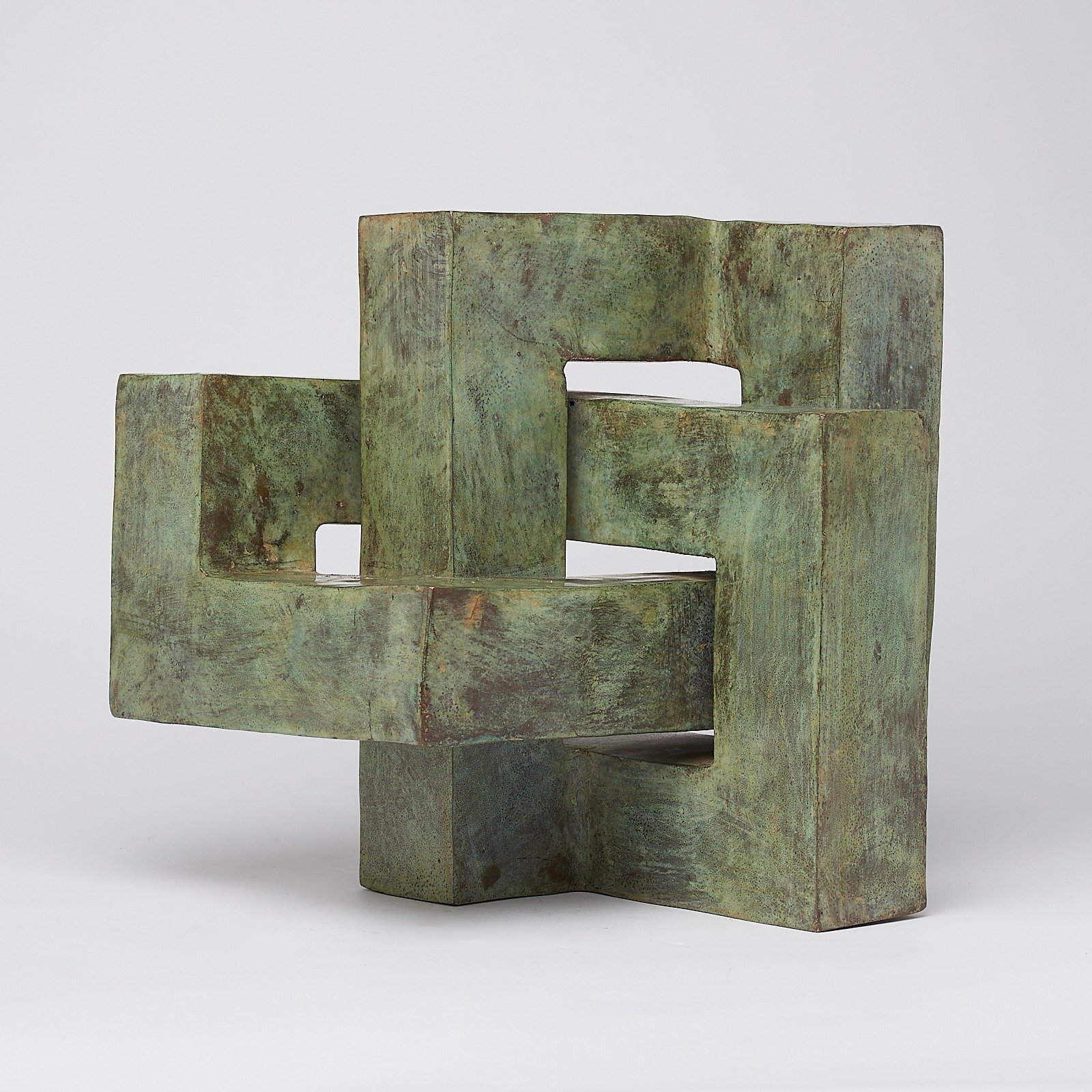
Sculpture, Bassorilievo Croce Di Caravaca - 25 cm - hand-carved mineral stone


03
days
08
hours
03
minutes
30
seconds
Current bid
€ 5
No reserve price

Expert
Selected by Clément Floch
Has 20 years of experience trading curios, including 15 years with a leading French dealer.
Estimate € 150 - € 200
 | €5 | |
|---|---|---|
 | €3 |
Catawiki Buyer Protection
Your payment’s safe with us until you receive your object.View details
Trustpilot 4.4 | 142120 reviews
Rated Excellent on Trustpilot.
Description from the seller
A unique sculpture depicting the Cross of Caravaca in all its uniqueness, completely hand-carved. The Cross of Caravaca (or Santisima y Vera Cruz) is a famous religious symbol and protection amulet originating from the Spanish city of Caravaca de la Cruz, in the region of Murcia. Regarded as a Lignum Crucis, Catholic Christian tradition holds that the original relic kept in the eponymous basilica contains fragments of the true wood of the cross on which Jesus Christ was crucified. The history of the cross dates back to the 13th century (specifically 1231), during the period of Moorish rule in Spain. According to legend, a Catholic priest named Chirinos was imprisoned by the Muslim king Abu Zeid. The sovereign forced him to celebrate a Mass out of curiosity, but near the improvised altar the priest realized he did not have a crucial element: the crucifix. It was at that moment that two angels descended from heaven bearing a double-arm horizontal cross, allowing the rite to proceed. Impressed by the miracle, the sovereign converted to Christianity along with his court. The sculpture is suitable for enriching places of prayer or worship, libraries, or classroom interiors. We guarantee careful shipping of the item with package tracking. No reserve!
A unique sculpture depicting the Cross of Caravaca in all its uniqueness, completely hand-carved. The Cross of Caravaca (or Santisima y Vera Cruz) is a famous religious symbol and protection amulet originating from the Spanish city of Caravaca de la Cruz, in the region of Murcia. Regarded as a Lignum Crucis, Catholic Christian tradition holds that the original relic kept in the eponymous basilica contains fragments of the true wood of the cross on which Jesus Christ was crucified. The history of the cross dates back to the 13th century (specifically 1231), during the period of Moorish rule in Spain. According to legend, a Catholic priest named Chirinos was imprisoned by the Muslim king Abu Zeid. The sovereign forced him to celebrate a Mass out of curiosity, but near the improvised altar the priest realized he did not have a crucial element: the crucifix. It was at that moment that two angels descended from heaven bearing a double-arm horizontal cross, allowing the rite to proceed. Impressed by the miracle, the sovereign converted to Christianity along with his court. The sculpture is suitable for enriching places of prayer or worship, libraries, or classroom interiors. We guarantee careful shipping of the item with package tracking. No reserve!
Details
Era
After 2000
Country of origin
Italy
Material
hand-carved mineral stone
Title of artwork
Bassorilievo Croce Di Caravaca
Signature
Not signed
Condition
Good condition
Height
25 cm
Width
18 cm
Depth
4 cm
Weight
3 kg