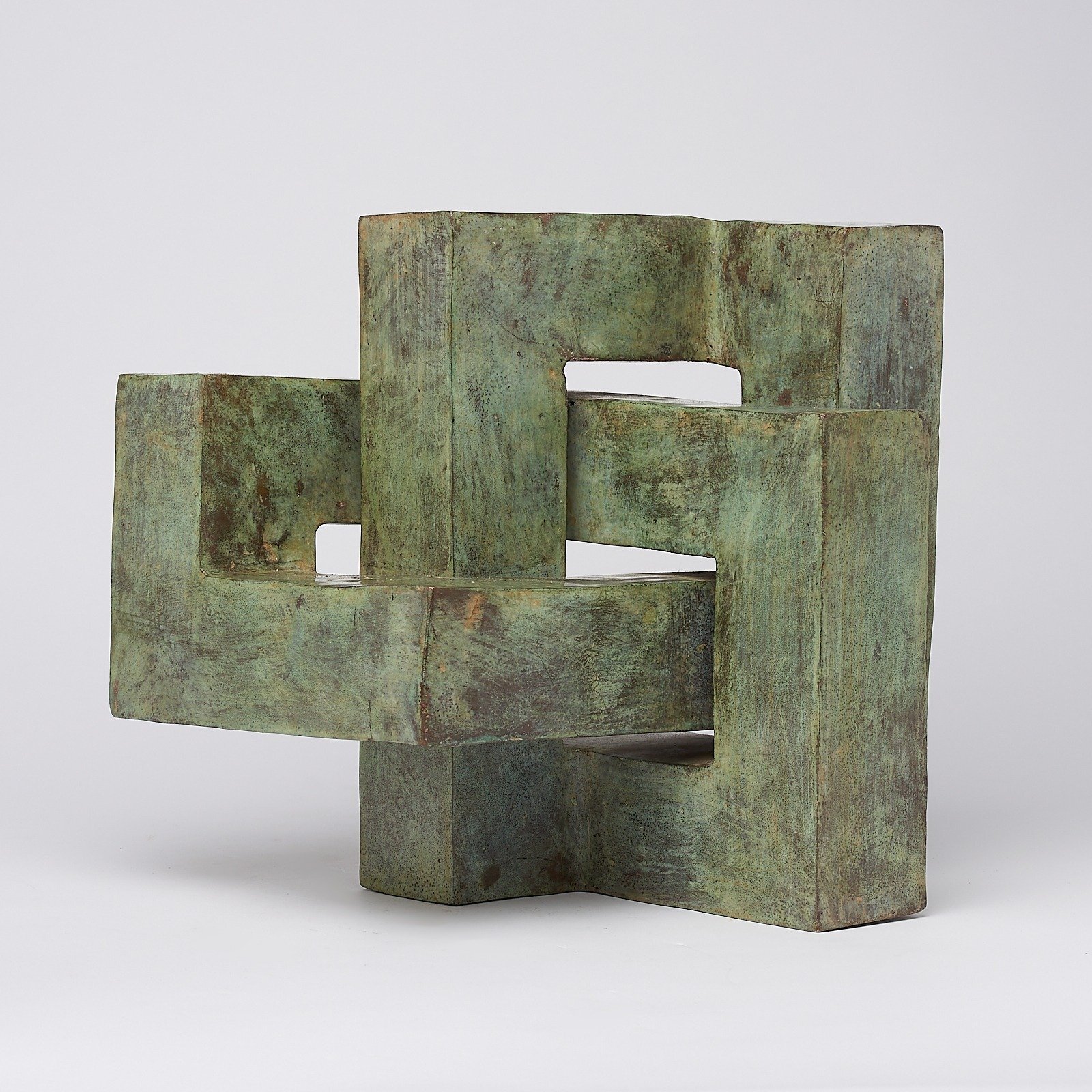
Jar (2) - Ceramic, Porcelain - White porcelain vases


Starting bid
€ 1
Add to your favourites to get an alert when the auction starts.

Catawiki Buyer Protection
Your payment’s safe with us until you receive your object.View details
Trustpilot 4.4 | 143634 reviews
Rated Excellent on Trustpilot.
Description from the seller
These decorative vases reflect the Neoclassical aesthetic that dominated European decorative arts from the late eighteenth to the early twentieth century. The combination of white porcelain with mounts in gilded bronze and brass was particularly valued in France and Italy, where specialized artisans created pieces inspired by classical antiquity. The amphora- and jug-shaped forms with elaborate handles evoke Greek and Roman vases, reinterpreted with the refinement of modern manufacturing.
These vases are especially prized by collectors of Neoclassical decorative art objects and by enthusiasts of period interiors. Their timeless elegance makes them perfect for enriching classical or eclectic interiors, while their historical and artistic value attracts experts in European applied arts. Such pieces represent the craftsmanship excellence of the period and attest to the refined taste for classical forms reinterpreted with precious materials.
Details
Era
1900-2000
Weight
1300 g
Title additional information
White porcelain vases
Number of objects
2
Country of origin
Italy
Material
Ceramic, Porcelain
Colour
White
Condition
Excellent condition: barely used with minimal signs of wear
Height
28 cm
Width
13 cm
Depth
12 cm
Estimated period
1940-1950
Sold by