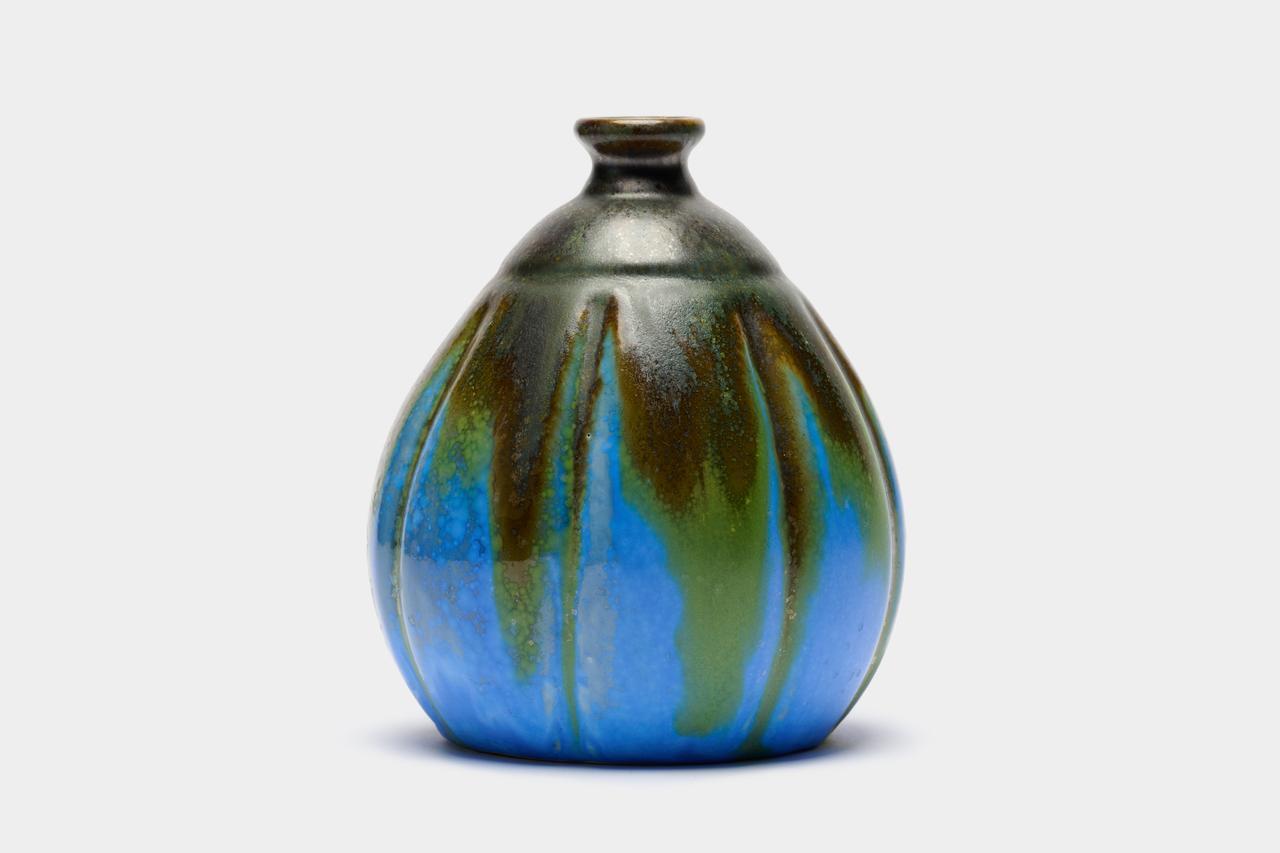
Vide poche - Le Corbusier (1887-1965) et Charlotte Perriand (1903-1999) - LUMAX - France


03
days
21
hours
06
minutes
37
seconds

 | €3 | |
|---|---|---|
 | €2 |
Catawiki Buyer Protection
Your payment’s safe with us until you receive your object.View details
Trustpilot 4.4 | 143313 reviews
Rated Excellent on Trustpilot.
Molded glass Lumax tray designed by Le Corbusier and Charlotte Perriand and produced by Saint-Gobain in the 1960s, with dimensions 6 × 12 × 12 cm and a weight of 986 g, bearing the relief mark LUMAX RECUIT in excellent condition with only minor signs of wear.
AI-assisted summary
Description from the seller
Molded glass catchall - Embossed marking: LUMAX RECUIT
Authentic and iconic glass modern catchall ashtray designed by the famous 20th-century French architects Le Corbusier (1887-1965) and Charlotte Perriand (1903-1999) for Lumax (1960)
Height 6 cm x 12 x 12 cm
Weight: 986 g
Beautiful glass shine - Very good condition, minor signs of wear
Made by Saint-Gobain, here is a 60s staple: the Lumax slab by Le Corbusier and Charlotte Perriand. In a catchall, ashtray, or paperweight, this iconic object exudes a certain presence. Place it on a console, a desk, or a coffee table and the magic will happen.
Le Corbusier and Charlotte Perriand, pioneering figures of modern and contemporary architecture, drew inspiration from the glass blocks they used in their creations to design this storage compartment.
Molded glass catchall - Embossed marking: LUMAX RECUIT
Authentic and iconic glass modern catchall ashtray designed by the famous 20th-century French architects Le Corbusier (1887-1965) and Charlotte Perriand (1903-1999) for Lumax (1960)
Height 6 cm x 12 x 12 cm
Weight: 986 g
Beautiful glass shine - Very good condition, minor signs of wear
Made by Saint-Gobain, here is a 60s staple: the Lumax slab by Le Corbusier and Charlotte Perriand. In a catchall, ashtray, or paperweight, this iconic object exudes a certain presence. Place it on a console, a desk, or a coffee table and the magic will happen.
Le Corbusier and Charlotte Perriand, pioneering figures of modern and contemporary architecture, drew inspiration from the glass blocks they used in their creations to design this storage compartment.
Details
Era
1900-2000
Weight
986 g
Glass type
molded glass
Model
LUMAX
Material
Glass
Designer/artist/maker
Le Corbusier (1887-1965) et Charlotte Perriand (1903-1999)
Country of origin
France
Manufacturer/brand
Le Corbusier (1887-1965) et Charlotte Perriand (1903-1999)
Condition
Excellent condition: barely used with minimal signs of wear
Height
6 cm
Width
12 cm
Depth
12 cm
Estimated period
1950-1960