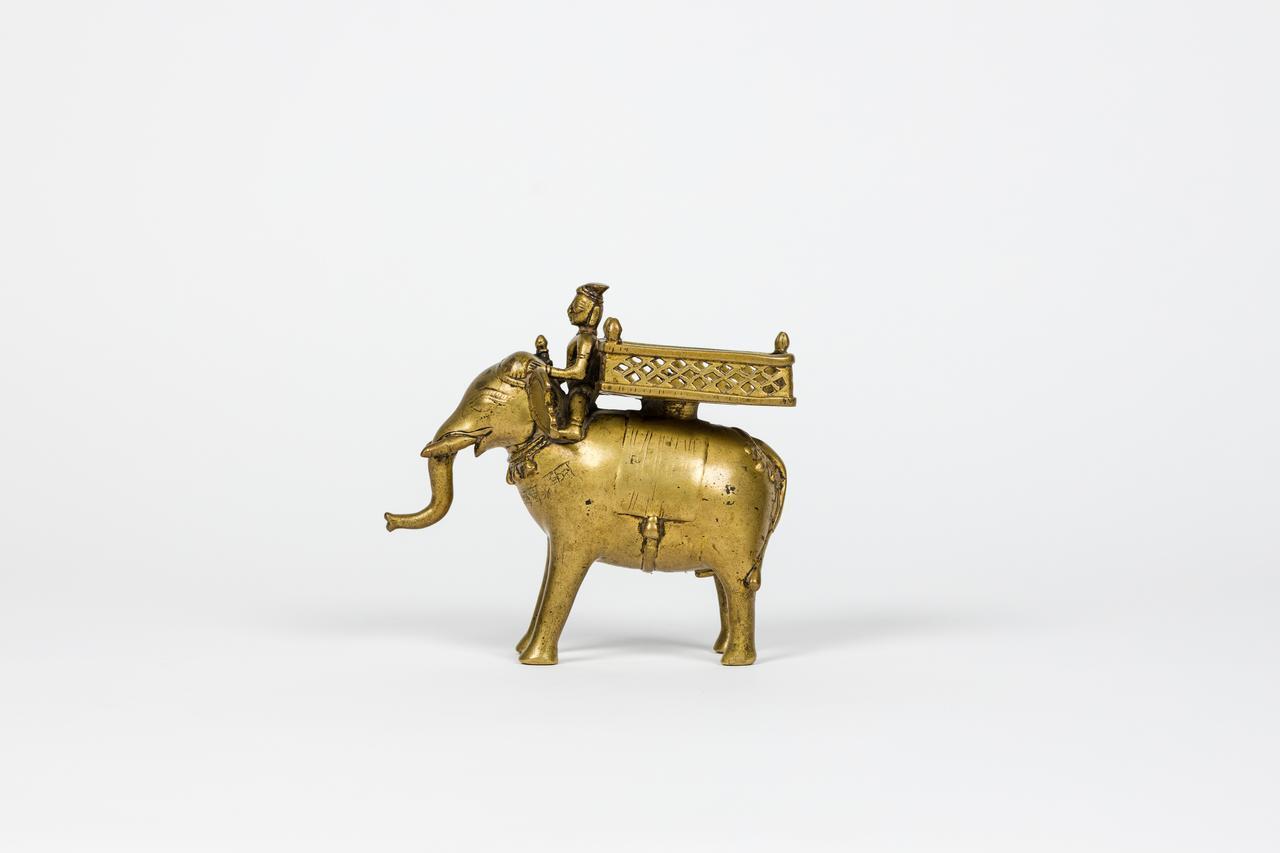
Kabyle / Berber Milk Jug - Earthenware - late 19th - early 20th century


02
days
05
hours
20
minutes
45
seconds
Current bid
€ 1
No reserve price

Expert
Selected by Surya Rutten
Has over 25 years' experience in Asian art and owned an art gallery.
Estimate € 150 - € 200
 | €1 |
|---|
Catawiki Buyer Protection
Your payment’s safe with us until you receive your object.View details
Trustpilot 4.4 | 143467 reviews
Rated Excellent on Trustpilot.
Kabyle / Berber Milk Jug from Kabylia, Algeria, late 19th to early 20th century, made of earthenware with natural pigments and resin coating, height 21 cm, width 14.5 cm, diameter 12.5 cm, in good condition.
AI-assisted summary
Description from the seller
A magnificent example of authentic African tribal art and traditional Berber ethnography. This hand-formed terracotta pitcher originates from the Djurdjura region in Kabylia (Algeria).
Features & Craftsmanship:
Entirely hand-built without the use of a potter's wheel and decorated by Kabyle women.
Painted with geometric Amazigh symbols (such as diamonds and triangles representing protection and good fortune) using natural black and red ochre pigments.
Finished with a traditional natural resin coating (*letham*) for waterproofing; over time, this has developed a stunning and unique crackle pattern.
Fired in an open field kiln, evidenced by the characteristic reduction marks on the base.
Condition:
In very good, authentic antique condition, showing honest signs of use and age (slight wear to the pigments and resin coating, which enhances the patina and character). No distracting restorations.
Specifications:
Origin: Kabylia, Algeria (Berber / Amazigh)
Date: Late 19th / early 20th century (c. 1880–1930)
Height: 21 cm
Width: 14,5 cm
Diameter: 12,5 cm
Material: Terracotta / earthenware with natural pigments and resin coating.
A stylish and decorative collector's item, perfect for enthusiasts of tribal art, antique pottery, Wabi-Sabi aesthetics, or ethnic interior design.
Seller's Story
I have great respect to our history. So, it is very important to keep them safe. That is why i package the items very carrefully and safe. Falling from the hands may not be a problem.
Translated by Google TranslateA magnificent example of authentic African tribal art and traditional Berber ethnography. This hand-formed terracotta pitcher originates from the Djurdjura region in Kabylia (Algeria).
Features & Craftsmanship:
Entirely hand-built without the use of a potter's wheel and decorated by Kabyle women.
Painted with geometric Amazigh symbols (such as diamonds and triangles representing protection and good fortune) using natural black and red ochre pigments.
Finished with a traditional natural resin coating (*letham*) for waterproofing; over time, this has developed a stunning and unique crackle pattern.
Fired in an open field kiln, evidenced by the characteristic reduction marks on the base.
Condition:
In very good, authentic antique condition, showing honest signs of use and age (slight wear to the pigments and resin coating, which enhances the patina and character). No distracting restorations.
Specifications:
Origin: Kabylia, Algeria (Berber / Amazigh)
Date: Late 19th / early 20th century (c. 1880–1930)
Height: 21 cm
Width: 14,5 cm
Diameter: 12,5 cm
Material: Terracotta / earthenware with natural pigments and resin coating.
A stylish and decorative collector's item, perfect for enthusiasts of tribal art, antique pottery, Wabi-Sabi aesthetics, or ethnic interior design.
Seller's Story
I have great respect to our history. So, it is very important to keep them safe. That is why i package the items very carrefully and safe. Falling from the hands may not be a problem.
Translated by Google TranslateDetails
Dynastic Style/Period
late 19th - early 20th century
Material
Earthenware
Height
21 cm
Width
14.5 cm
Title of artwork
Kabyle / Berber Milk Jug
Condition
Good condition
Sold by