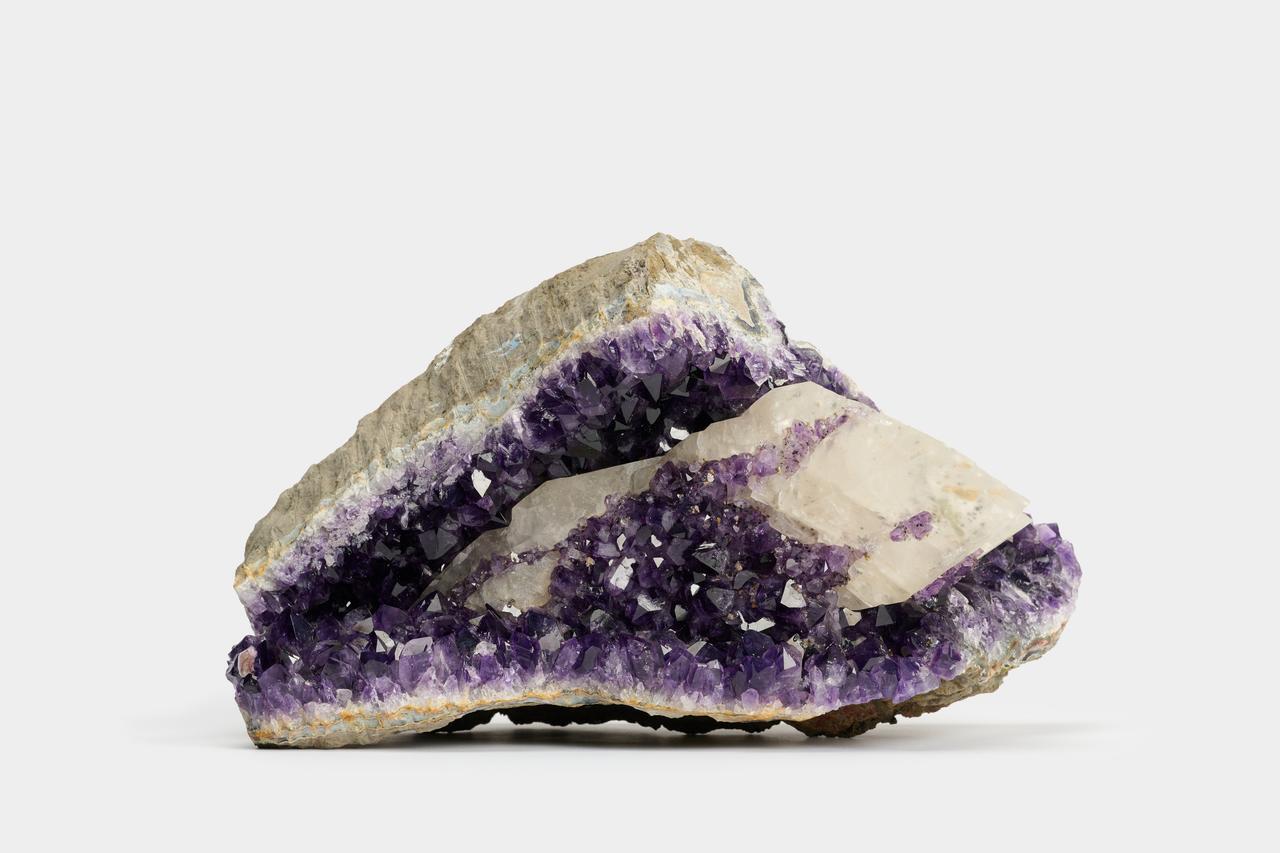
Sericho meteorite Pallasitic - 1.27 kg - (1)


07
days
06
hours
57
minutes
04
seconds
Current bid
€ 4
Reserve price not met

Expert
Selected by Francesco Moser
Over 20 years collecting meteorites; former museum curator and experienced restorer.
Estimate € 3,600 - € 4,000
 | €4 | |
|---|---|---|
 | €3 | |
| €2 | |
Catawiki Buyer Protection
Your payment’s safe with us until you receive your object.View details
Trustpilot 4.4 | 143806 reviews
Rated Excellent on Trustpilot.
Description from the seller
XXL SIZE!! MUSEUM-QUALITY, WITH OLIVINE CRYSTALS ON THE SURFACE
Beautiful complete XXL-sized piece (weighing 1,272 grams, 1.27 kg) of the Sericho meteorite, a pallasite, first discovered in Kenya in 2016.
It is a museum-quality piece in which numerous olivine crystals are visible on the surface, giving us an idea of what lies inside. Ideal for slicing or leaving the meteorite whole for a collection or prestigious display.
Pallasites are very rare meteorites in which olivines are embedded in a metallic matrix. They originate from the mantle of large asteroids; they account for only about 1.7% of known meteorites, and they are among the most beautiful that exist.
Its name comes from the German zoologist and botanist Peter Simon Pallas, who first discovered a specimen of this type of meteorite in Siberia, Russia, in 1772.
Don't miss this unique opportunity to obtain a fantastic, exceptional, and exclusive piece for your collection!
———-
Member of the Astrosurete astronomical association.
The IMCA (International Meteorite Collector's Association) certificate of authenticity is included. Buy with a lifetime guarantee.
Details
Number of objects
1
Name of meteorite
Sericho meteorite
Type of meteorite
Pallasitic
Weight
1.27 kg
Origin (region/city)
Habaswein 2016
Country of origin
Kenya
Sold by