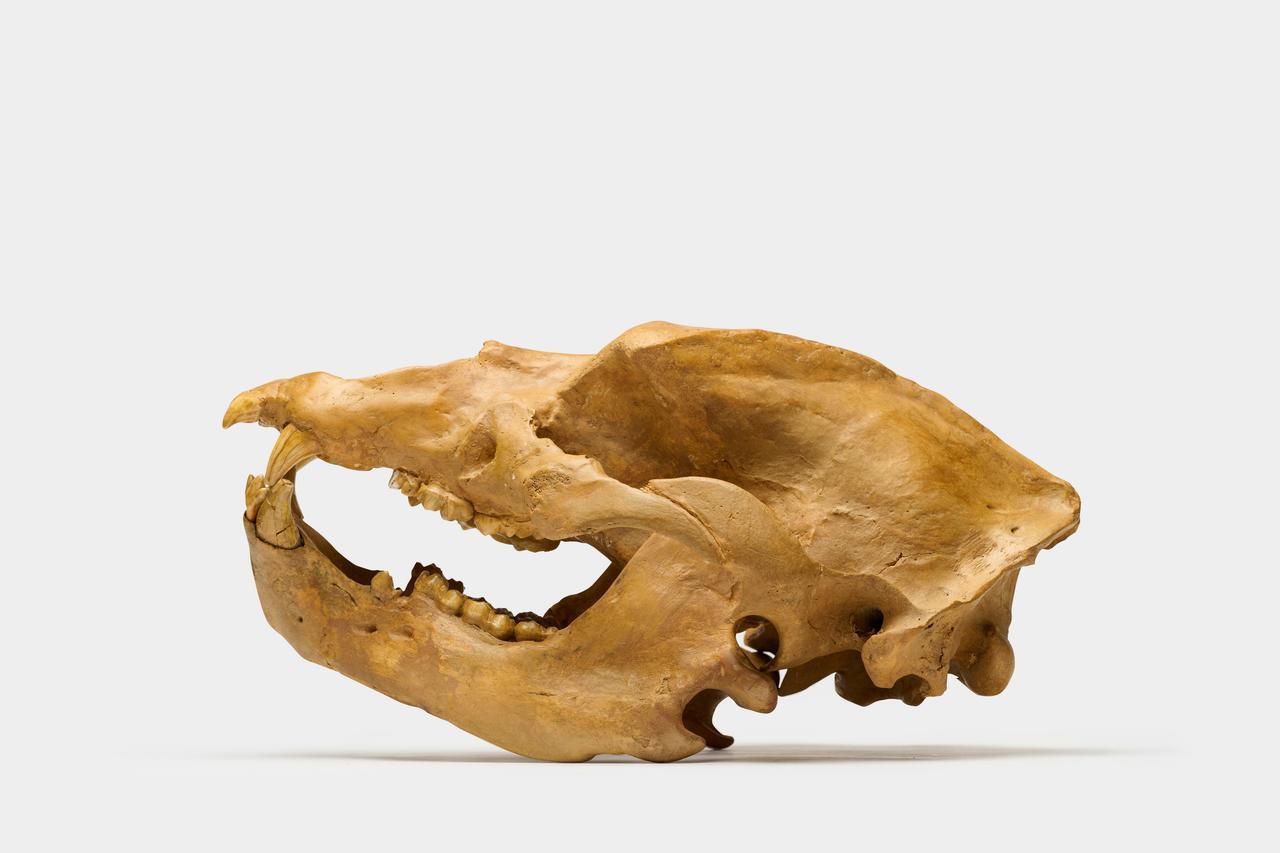
Mosasaur - Fossil tooth - Mosasaur Jaw with Teeth – Late Cretaceous – Khouribga, Morocco – Italian Carrara Marble Display


03
days
06
hours
00
minutes
18
seconds

 | €30 | |
|---|---|---|
 | €25 |
Catawiki Buyer Protection
Your payment’s safe with us until you receive your object.View details
Trustpilot 4.4 | 144154 reviews
Rated Excellent on Trustpilot.
Description from the seller
Beautiful Mosasaur jaw section from Morocco, featuring a series of well-visible teeth together with part of the mandibular bone. The specimen has been professionally mounted on an elegant genuine Italian Carrara marble base, which is included in the lot. The minimalist display enhances the elongated profile of the jaw and makes it particularly suitable for both a fossil collection and interior decoration.
The jaw originates from the famous phosphate deposits of Khouribga, Morocco, renowned worldwide for their rich Late Cretaceous marine fossil fauna.
The fossil shows natural bone texture and porosity. Part of the mandibular bone has been restored/reconstructed, as commonly encountered in prepared Moroccan vertebrate fossils. The teeth and jaw create an impressive display that clearly illustrates the predatory adaptations of these large marine reptiles.
Mosasaurs were powerful marine reptiles and among the dominant predators of the Late Cretaceous seas. Their elongated bodies, strong jaws and conical teeth made them highly effective hunters. Their limbs had evolved into flippers, allowing them to live entirely in marine environments.
The largest members of the mosasaur family reached impressive dimensions and occupied the upper levels of the marine food chain until their extinction at the end of the Cretaceous, approximately 66 million years ago.
The combination of the fossil jaw with the clean white Carrara marble base, crafted in Italy, creates an elegant museum-style presentation and makes this specimen an attractive piece for collectors of palaeontology and natural history.
Details
Specimen
Mosasaur
Scientific name
Mosasaur Jaw with Teeth – Late Cretaceous – Khouribga, Morocco – Italian Carrara Marble Display
Country of origin
Morocco
Geological period
Cretaceous (145 - 66 million years)
Condition
Restored
Authenticity
Original/official