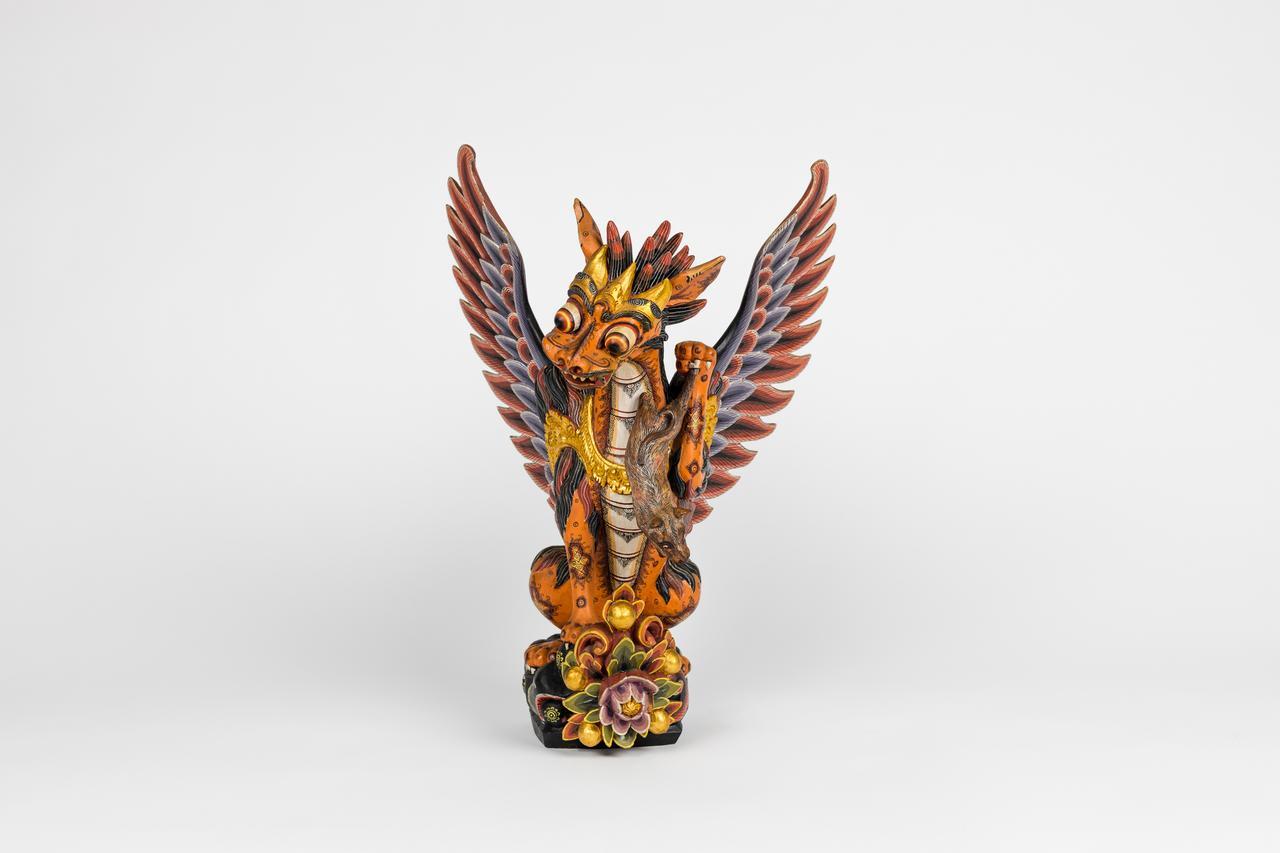
Leti Voorouderbeeld - Sculpture - Image of Yene or Iene - Moukken, Leti Islands - Indonesia (No reserve price)


00
days
23
hours
50
minutes
43
seconds

 | €8 | |
|---|---|---|
 | €7 | |
| €4 | |
Catawiki Buyer Protection
Your payment’s safe with us until you receive your object.View details
Trustpilot 4.4 | 144426 reviews
Rated Excellent on Trustpilot.
This unsigned, hand-carved wooden yene or iene ancestral figure from the Leti Islands in Indonesia is in good condition and measures 21.5 × 6 × 5.3 cm.
AI-assisted summary
Description from the seller
This object is a traditional hand-carved wooden ancestral figure (known as a yene or iene) from the Leti Islands, located in the southeastern Moluccas of Indonesia. These figures were crafted by the local people after the death of a family member. They served as a temporary spiritual dwelling place or 'anchor' for the soul of the deceased, so that the living could maintain contact with their ancestors for guidance and protection. Figures from the Leti Islands are almost always characterized by a seated or crouched posture on a small raised platform or pedestal, with the arms folded or crossed in a specific way (often with the elbows resting on the knees). Many of these figures were confiscated by Dutch missionaries in their efforts to convert the practice, turning the superstition into Christian values.
This object is a traditional hand-carved wooden ancestral figure (known as a yene or iene) from the Leti Islands, located in the southeastern Moluccas of Indonesia. These figures were crafted by the local people after the death of a family member. They served as a temporary spiritual dwelling place or 'anchor' for the soul of the deceased, so that the living could maintain contact with their ancestors for guidance and protection. Figures from the Leti Islands are almost always characterized by a seated or crouched posture on a small raised platform or pedestal, with the arms folded or crossed in a specific way (often with the elbows resting on the knees). Many of these figures were confiscated by Dutch missionaries in their efforts to convert the practice, turning the superstition into Christian values.
Details
Era
1900-2000
Manufacturer/brand
Molukken, Indonesië
Country of origin
Indonesia
Style
Folk Art
Material
Wood
Ethnic group/culture
Moukken, Leti Islands
Title of artwork
Leti Voorouderbeeld
Signature
Not signed
Indigenous object name
Image of Yene or Iene
Sold with stand
No
Condition
Good condition
Height
21.5 cm
Width
6 cm
Depth
5.3 cm