"Mateus", Scultura popolare del nordest del Brasile, XL - Sculpture - South America (No reserve price)


02
days
01
hour
37
minutes
54
seconds

 | €25 | |
|---|---|---|
 | €20 | |
| €15 | |
Catawiki Buyer Protection
Your payment’s safe with us until you receive your object.View details
Trustpilot 4.4 | 146014 reviews
Rated Excellent on Trustpilot.
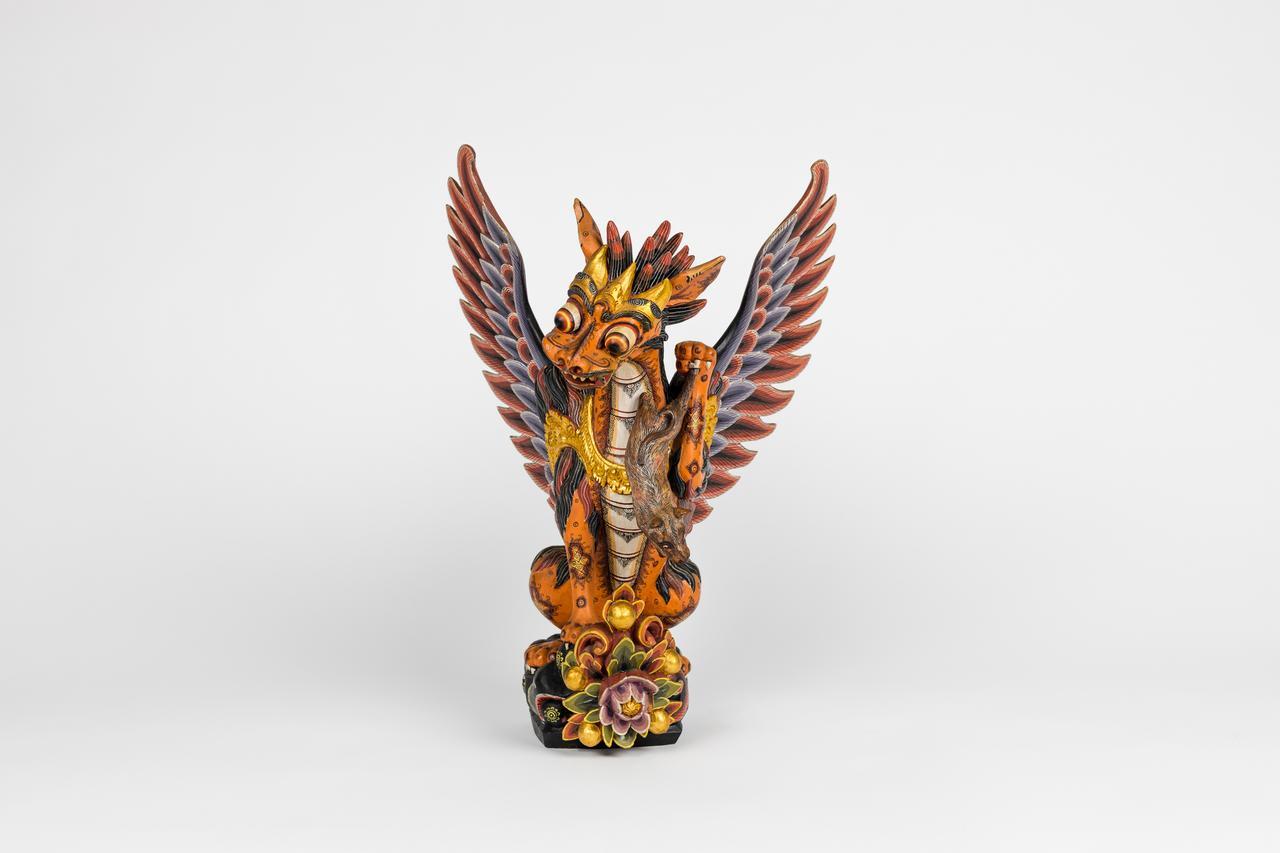
This original, unsigned hand-carved and hand-painted wooden folk sculpture depicts Mateus, a character from northeastern Brazilian traditions, and measures 23 × 67 × 23 cm; it is in good condition and comes with a stand.
AI-assisted summary
Description from the seller
Sculpture representing a folkloric figure in hand-carved and hand-painted wood, taken directly from the center of popular craftsmanship in the northeast of Brazil.
In the popular tradition of Northeast Brazil, Mateus (often written without the h in Portuguese) is one of the most iconic and beloved characters of popular festivities, especially of Bumba Meu Boi, Cavalo-Marinho (typical of Pernambuco), and Reisado (very widespread in Ceará, for example in Juazeiro do Norte).
Observing your sculpture in light of this context, every detail takes on a precise meaning:
Who Mateus is in the Northeastern folklore
• The role in the story. Mateus is a shrewd, ironic, and carefree cowboy (vaqueiro) who works on the estate of a wealthy landowner (the Captain or Colonel). In the classic plot, to satisfy the pregnant wife Catirina’s craving, he steals and kills the master’s favorite ox to take its tongue, triggering a musical comedy of dances, farcical trials, and magical rites to revive the animal.
• The comic soul of the festival. In street performances, Mateus (often paired with his friend Bastião) has the role of the jester or court fool. He is the one who interacts directly with the audience, improvises lines, and keeps the pace of the festival alive.
The details of your statue
• The headdress (Chapéu de Mateus). The large conical hat decorated with bright motifs echoes the cafuringa or the tall colorful headpieces worn by brincantes (the performers) during Cavalo-Marinho and Reisado.
• The vibrant attire. The red jacket and green geometric-patterned pants reflect the flamboyant costumes rich with appliqués used to stand out during popular parades.
• The art of carving (Xilogravura and Madeira). The way the wood is carved — with clean chisel cuts, elongated proportions, and pure colors — is perfectly aligned with the great school of popular Northeast craftsmanship (such as the Cariri tradition in Ceará or that of Pernambuco).
Details
Era
1900-2000
Country of origin
South America
Style
Folk Art
Material
Wood
Title of artwork
"Mateus", Scultura popolare del nordest del Brasile, XL
Signature
Not signed
Edition
Original
Sold with stand
Yes
Condition
Good condition
Height
67 cm
Width
23 cm
Depth
23 cm