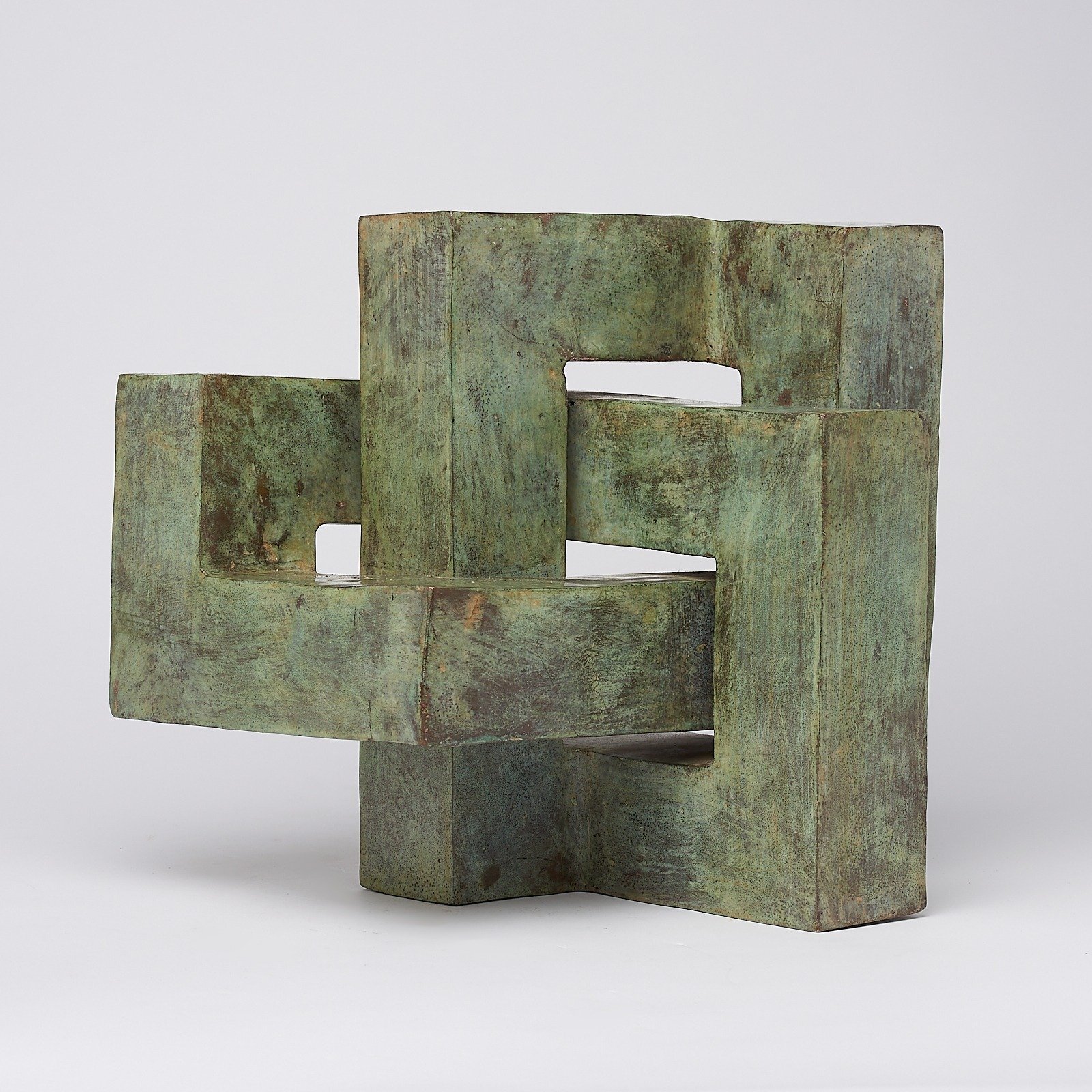
Candlestick (2) - Manganese - NAPOLÉON III XXL - 29.5 cm


03
days
04
hours
02
minutes
29
seconds

 | €6 | |
|---|---|---|
 | €5 |
Catawiki Buyer Protection
Your payment’s safe with us until you receive your object.View details
Trustpilot 4.4 | 146042 reviews
Rated Excellent on Trustpilot.
Pair of blown manganese-glass candlesticks, dated 1850–1900.
AI-assisted summary
Description from the seller
Elegant, this pair of large blown-glass candlesticks features a richly detailed silhouette inspired by the decorative vocabulary of the Second Empire and late nineteenth-century ornamental glassware. Made from blown glass, these two pieces can be dated to between the second half of the nineteenth century and the very beginning of the twentieth century. Their hollow, one-piece construction attests to particularly careful glassmaking.
Each candlestick features a silvered interior created using the mercury glass process, also associated with the tradition of églomisé glass. This technique involves introducing a metallic preparation between two layers of glass to create a reflective effect reminiscent of silverware, while retaining the lightness of blown glass. The exterior surface is delicately adorned with small painted floral garlands, their motifs blending into the reflections of the material. Both pieces also display a beautiful response under 365 nm ultraviolet light, characteristic of manganese-containing glass.
Both candlesticks are in excellent structural condition, with no chips or cracks. However, it should be noted that the decoration has naturally deteriorated over time: the interior silvering has gradually faded and now shows a few areas where its silvery sheen has been lost. The small floral paintings on the exterior have also lost some of their intensity. These changes are consistent with the age of the pieces and in no way detract from their decorative appeal. The average height is 29.5 cm and the width is 12.2 cm. The pair weighs 1,000 grams in total.
Mercury glass enjoyed a real boom from the middle of the nineteenth century onward, particularly during the Second Empire and the Victorian period. Valued for its ability to imitate the appearance of solid silver at a more accessible price, it found its place in bourgeois interiors in the form of candlesticks, vases, and many other decorative objects. The combination of this silvered finish with hand-painted floral garlands perfectly illustrates the historicist taste of the period, when references to historical styles blended with technical innovations in the glass industry.
Details
Era
1400-1900
Weight
1000 g
Style subtype
Napoleon III
Glass type
Manganese
Title additional information
NAPOLÉON III XXL - 29.5 cm
Number of objects
2
Country of origin
Europe
Material
Glass
Style
Antique
Colour
Transparent
Condition
Good condition - used with small signs of aging & blemishes
Height
29.5 cm
Width
12.2 cm
Depth
29.5 cm
Estimated period
1850-1900
Sold by