Mosasaur - Fossil tooth - Mascella di Mosasauro su base in legno


03
days
12
hours
39
minutes
02
seconds

 | €2 | |
|---|---|---|
 | €1 |
Catawiki Buyer Protection
Your payment’s safe with us until you receive your object.View details
Trustpilot 4.4 | 146042 reviews
Rated Excellent on Trustpilot.
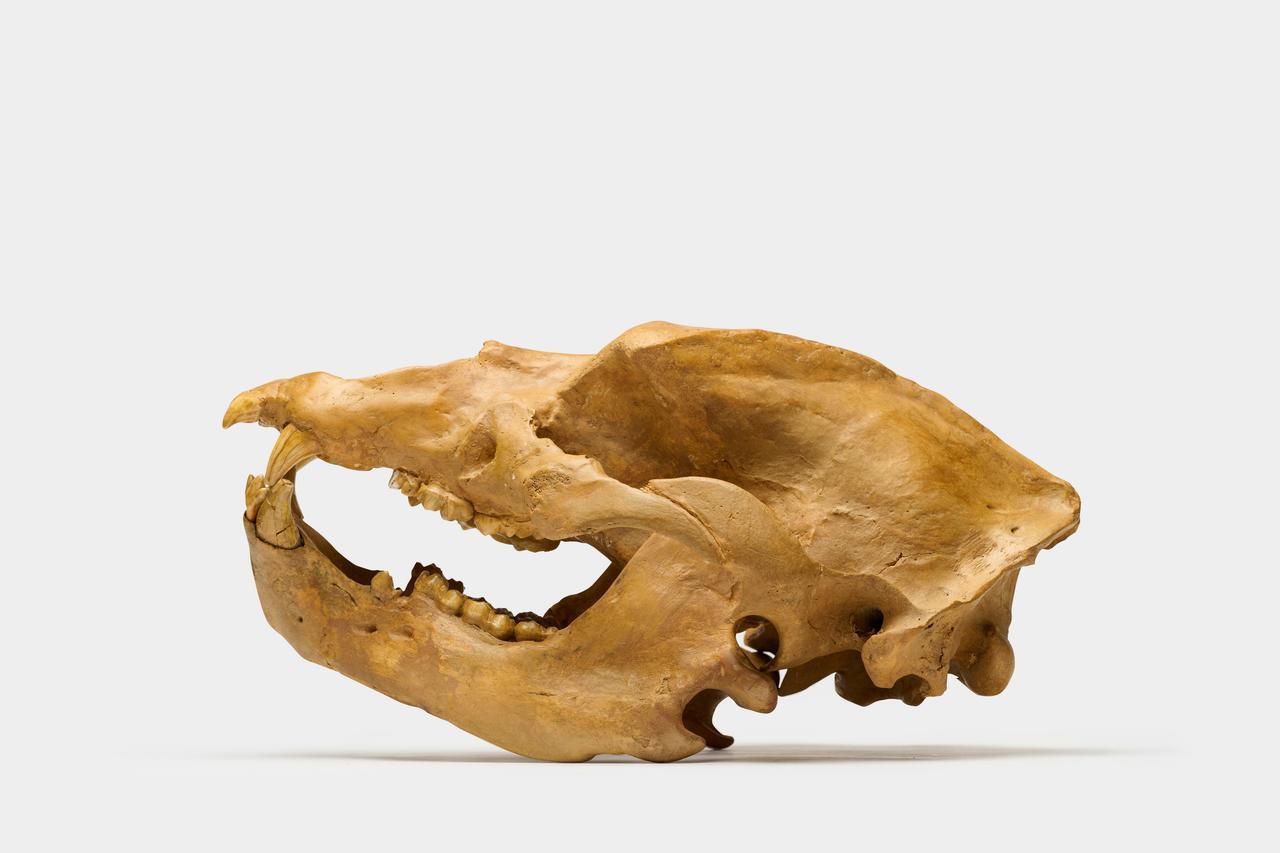
This restored original Mosasaurus jaw section from Khouribga, Morocco, has seven large teeth in situ and is mounted on a wooden base; it dates to the Maastrichtian, around 72–66 million years ago.
AI-assisted summary
Description from the seller
Imposing and spectacular section of a fossil mosasaur jaw from the Khouribga phosphate basin in Morocco, complete with seven large conical teeth in situ. The bony structure clearly shows the natural porosity and the original anatomical texture, while the tooth crowns preserve a glossy enamel with warm amber and honey tones. This Late Cretaceous marine reptile (Maastrichtian, about 72–66 million years ago) was one of the largest and most formidable apex predators of prehistoric oceans. Belonging to the last and most colossal mosasaurs ever to exist, it possessed evolved limbs into hydrodynamic flippers — with the forelimbs more developed than the rear — and could reach, in the species Mosasaurus hoffmannii, 17–18 meters in length with an estimated weight between 25 and 30 tons. The massive, streamlined body was dominated by a powerful skull and jaws armed to seize and tear prey near the sea surface.
The specimen from the Arte Terra collection is mounted on a custom wooden display base to enhance its scientific and aesthetic value. On the top surface of the base, a precision laser engraving bears the taxonomic data of the specimen accompanied by a naturalistic illustration that reconstructs the animal in its ancient marine habitat, with the logo "Arte Terra – Fossil Mineral Design" in the bottom right corner as a guarantee of authenticity and artisanal craftsmanship.
Details
Specimen
Mosasaur
Scientific name
Mascella di Mosasauro su base in legno
Country of origin
Morocco
Geological period
Cretaceous (145 - 66 million years)
Condition
Restored
Authenticity
Original/official