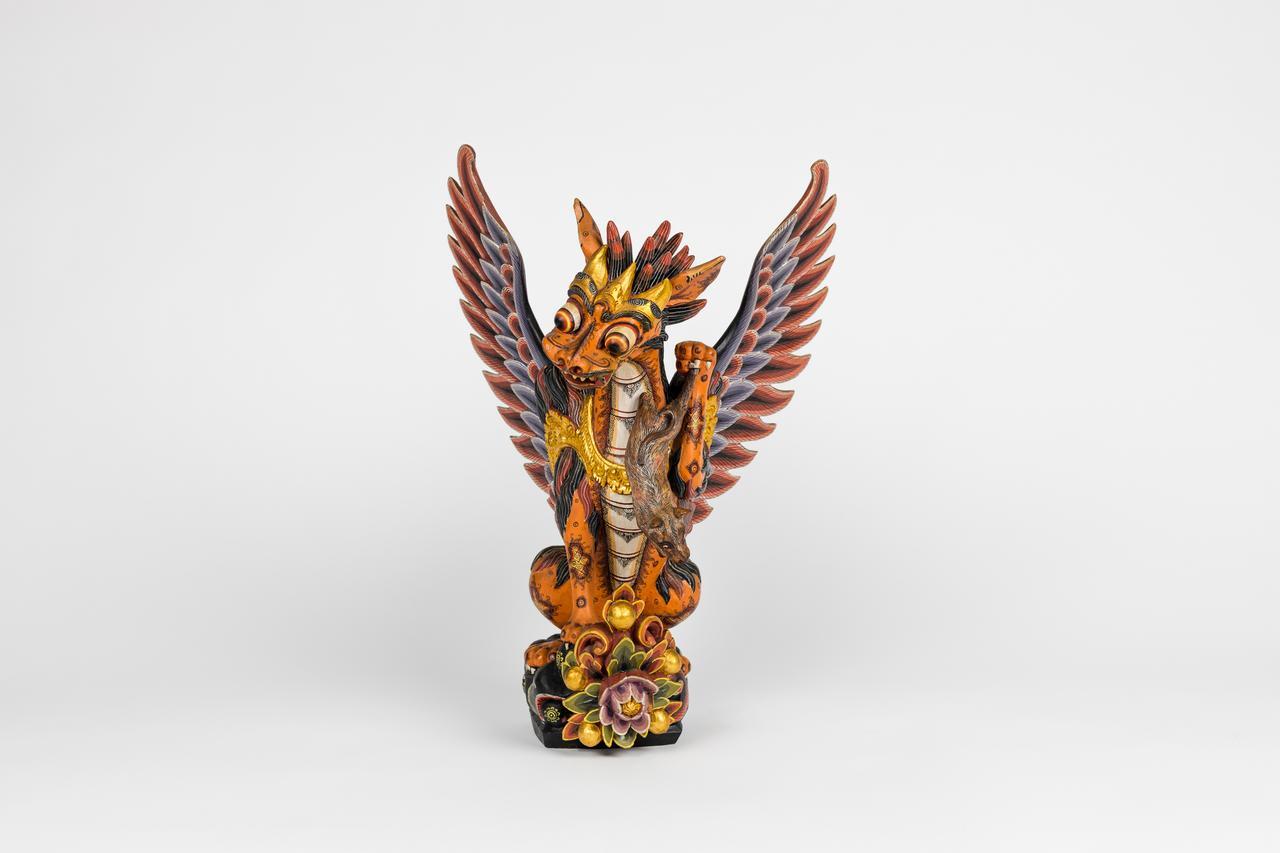
Balinese astrological calendar - Cotton - Indonesia - Late 20th century


03
days
22
hours
41
minutes
29
seconds

No bids placed
Catawiki Buyer Protection
Your payment’s safe with us until you receive your object.View details
Trustpilot 4.4 | 146393 reviews
Rated Excellent on Trustpilot.
This original late-20th-century Balinese astrological calendar, known locally as Palentintangan, is hand-painted in the traditional Kamasan style on handwoven cotton and measures 89 × 96 cm.
AI-assisted summary
Description from the seller
We bought this Balinese astrological calendar on Bali about 40 years ago and have always kept it folded. Locally known as Palentintangan, it is made in the traditional Kamasan painting style.
Design: The calendar consists of a grid of 7 rows by 5 columns (35 panels in total). Each panel depicts a deity, animal, or mythological scene, accompanied by text in Balinese script. Priests use it to determine auspicious and inauspicious days for ceremonies, weddings, cremations, and other occasions.
Material: The cloth is handwoven cotton. The characteristic, slightly irregular threads of traditional cotton weaving are clearly visible on the reverse and along the edges.
This example is entirely hand-painted, as can also be seen in the subtle variations in the brushstrokes, the fine handwritten Balinese characters, and the fact that the red and black pigments have lightly bled through the cotton onto the reverse in a few places.
Details
Dynastic Style/Period
Late 20th century
Number of objects
1
Country of Origin
Indonesia
Material
Cotton
Height
89 cm
Width
96 cm
Title of artwork
Balinese astrological calendar
Condition
Good condition
Provenance
Gallery / Antique dealer
Authenticity
Original/official
Sold by