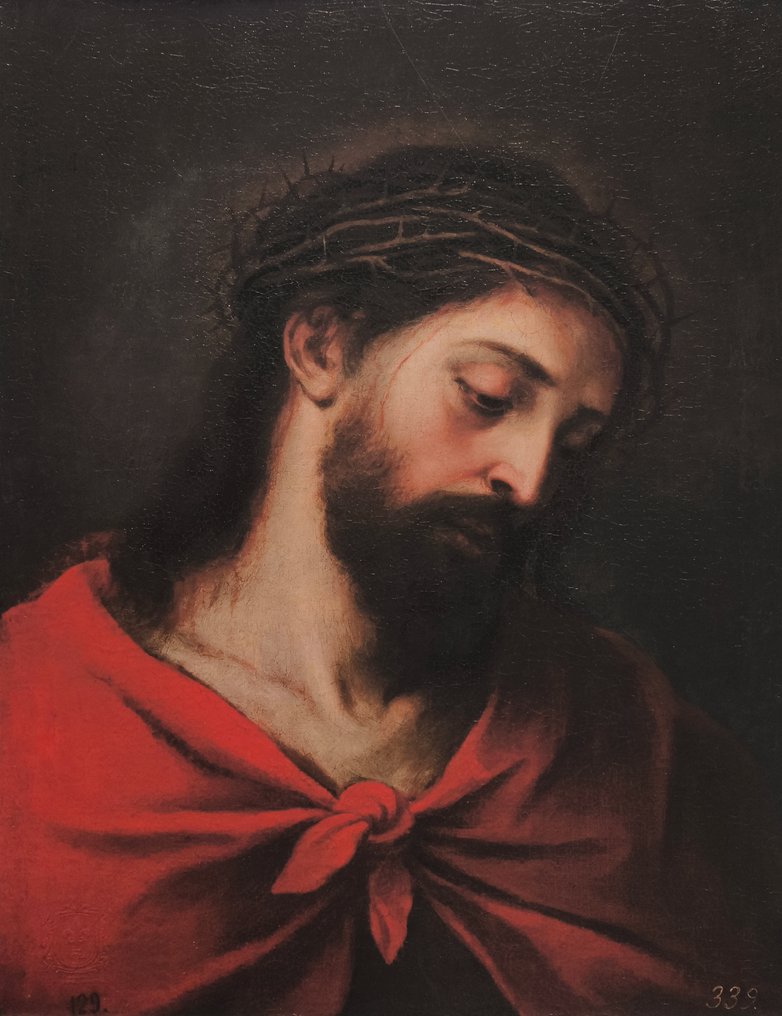
Bartolomé Esteban Murillo (1618–1682) (after) - Ecce Homo



03
dni
14
godziny
04
minuty
23
sekundy
Cena wywoławcza
€ 1
Bez ceny minimalnej

Ekspert
Wyselekcjonowany przez Clément Floch
Posiada 20-letnie doświadczenie w handlu ciekawostkami, w tym 15 lat u wiodącego francuskiego dealera.
Szacunkowa wartość € 110 - € 170
Nie zalicytowano
Ochrona nabywców Catawiki
Twoja płatność jest u nas bezpieczna, dopóki nie otrzymasz przedmiotu.Zobacz szczegóły
Trustpilot: 4.4 | opinie: 144058
Doskonała ocena na Trustpilot.
Opis od sprzedawcy
- Bartolomé Esteban Murillo (po), "Ecce Homo, 1660-70". Druk giclée na grubym, gładkim papierze matowym (około 300 g/m²).
- Wytłaczana pieczęć.
- Pieczęć na odwrocie.
- Bez marginesów / zadruk do brzegów.
- Gotowy do oprawienia. Zdjęcie, na którym przedmioty pojawiają się w oprawie, jest symulowaną rekonstrukcją dla celów ilustracyjnych; rama i inne dekoracyjne elementy pokazane na nim nie są dołączone do partii, o którą się licytujesz.
- Stan: doskonały. Nigdy nie oprawiany, nigdy nie eksponowany.
- Wymiary: 38 x 49 cm.
- Więcej partii aktualnie na aukcji: https://www.catawiki.com/es/u/7684787-yuke
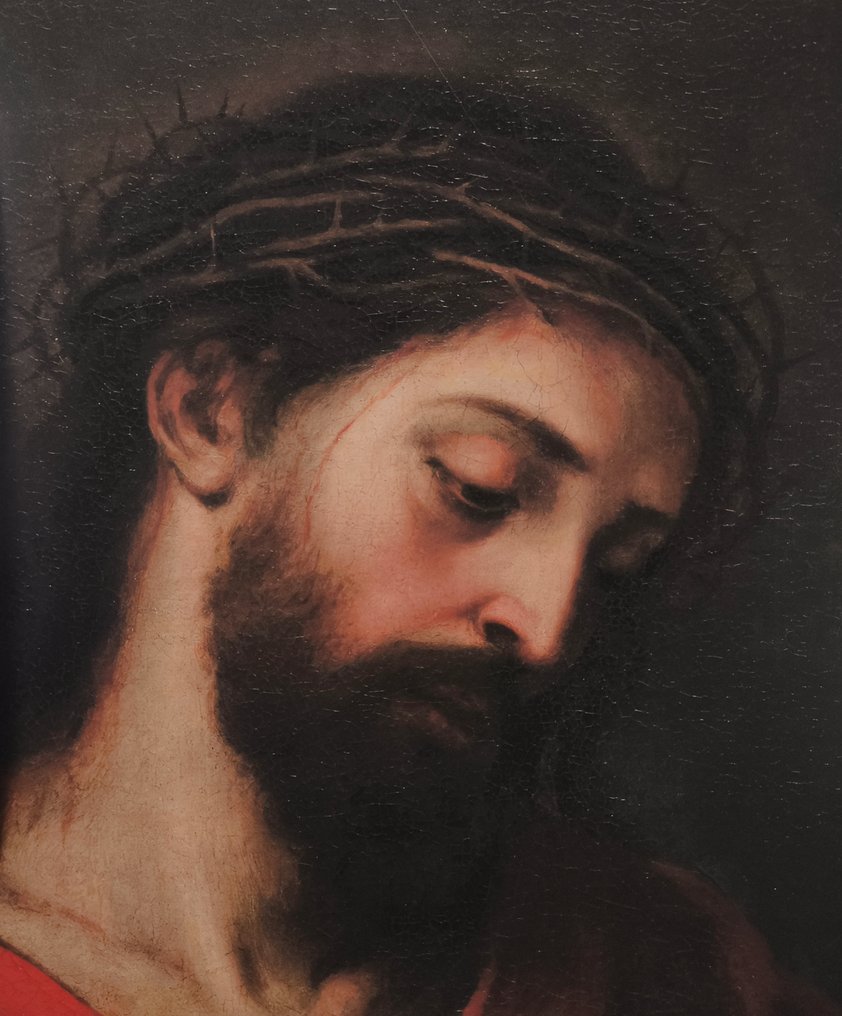
- Bartolomé Esteban Murillo’s "Ecce Homo" (1660–1670) is one of the Sevillian master’s most intimate and emotionally concentrated devotional images. Christ appears alone against a deep, shadowed background, crowned with thorns and wrapped in a vivid red mantle, his head inclined in quiet resignation rather than dramatic agony. Murillo transforms the biblical moment of humiliation into a deeply human image of suffering, compassion and spiritual dignity, characteristic of the emotional refinement that made his religious painting so influential in seventeenth-century Spain.
The restrained composition and dramatic chiaroscuro make Ecce Homo especially effective in interiors where a sense of history, contemplation and solemnity is desired. The black-brown background, warm flesh tones and intense crimson drapery create a rich palette that works beautifully with antique gold, dark wood or black frames, as well as burgundy, deep green, charcoal or neutral walls. Displayed in a study, hallway, bedroom or classical interior, the work brings the atmosphere of Spanish Baroque painting into a contemporary setting without becoming visually overwhelming. Its contemplative character also makes it a meaningful gift for admirers of sacred art, Old Masters, Spanish painting and the devotional imagery of the Counter-Reformation.
Murillo’s "Ecce Homo" belongs to a long European tradition of images designed for private devotion, yet his interpretation is distinctive for its tenderness, psychological restraint and rejection of excessive violence. Rather than emphasising physical brutality, Murillo presents a Christ who remains composed and inwardly serene, a quality that became central to the devotional appeal of his mature religious works. The work can be appreciated alongside the art of Velázquez, Zurbarán, Ribera, Titian, Caravaggio and Guido Reni, while its emotional directness continues to resonate with collectors who move freely between Old Masters and modern names such as Picasso, Warhol, Basquiat, Haring, Banksy, Hockney and Kusama, as well as design and collectible icons including Hermès, Gucci, Lego, Star Wars and Pokémon. More than an image of suffering, *Ecce Homo* is a profound study of humility, sacrifice and silent endurance.
Historie sprzedawców
Sprzedawca na Catawiki od ponad ośmiu lat.
Zachęcam Cię do odwiedzenia mojego profilu, tam znajdziesz pełną listę różnych partii, które są teraz licytowane.
Kliknij "Yuke".
Powodzenia na aukcjach!
Przetłumaczone przez Tłumacz Google- Bartolomé Esteban Murillo (po), "Ecce Homo, 1660-70". Druk giclée na grubym, gładkim papierze matowym (około 300 g/m²).
- Wytłaczana pieczęć.
- Pieczęć na odwrocie.
- Bez marginesów / zadruk do brzegów.
- Gotowy do oprawienia. Zdjęcie, na którym przedmioty pojawiają się w oprawie, jest symulowaną rekonstrukcją dla celów ilustracyjnych; rama i inne dekoracyjne elementy pokazane na nim nie są dołączone do partii, o którą się licytujesz.
- Stan: doskonały. Nigdy nie oprawiany, nigdy nie eksponowany.
- Wymiary: 38 x 49 cm.
- Więcej partii aktualnie na aukcji: https://www.catawiki.com/es/u/7684787-yuke
- Bartolomé Esteban Murillo’s "Ecce Homo" (1660–1670) is one of the Sevillian master’s most intimate and emotionally concentrated devotional images. Christ appears alone against a deep, shadowed background, crowned with thorns and wrapped in a vivid red mantle, his head inclined in quiet resignation rather than dramatic agony. Murillo transforms the biblical moment of humiliation into a deeply human image of suffering, compassion and spiritual dignity, characteristic of the emotional refinement that made his religious painting so influential in seventeenth-century Spain.
The restrained composition and dramatic chiaroscuro make Ecce Homo especially effective in interiors where a sense of history, contemplation and solemnity is desired. The black-brown background, warm flesh tones and intense crimson drapery create a rich palette that works beautifully with antique gold, dark wood or black frames, as well as burgundy, deep green, charcoal or neutral walls. Displayed in a study, hallway, bedroom or classical interior, the work brings the atmosphere of Spanish Baroque painting into a contemporary setting without becoming visually overwhelming. Its contemplative character also makes it a meaningful gift for admirers of sacred art, Old Masters, Spanish painting and the devotional imagery of the Counter-Reformation.
Murillo’s "Ecce Homo" belongs to a long European tradition of images designed for private devotion, yet his interpretation is distinctive for its tenderness, psychological restraint and rejection of excessive violence. Rather than emphasising physical brutality, Murillo presents a Christ who remains composed and inwardly serene, a quality that became central to the devotional appeal of his mature religious works. The work can be appreciated alongside the art of Velázquez, Zurbarán, Ribera, Titian, Caravaggio and Guido Reni, while its emotional directness continues to resonate with collectors who move freely between Old Masters and modern names such as Picasso, Warhol, Basquiat, Haring, Banksy, Hockney and Kusama, as well as design and collectible icons including Hermès, Gucci, Lego, Star Wars and Pokémon. More than an image of suffering, *Ecce Homo* is a profound study of humility, sacrifice and silent endurance.
Historie sprzedawców
Sprzedawca na Catawiki od ponad ośmiu lat.
Zachęcam Cię do odwiedzenia mojego profilu, tam znajdziesz pełną listę różnych partii, które są teraz licytowane.
Kliknij "Yuke".
Powodzenia na aukcjach!
Przetłumaczone przez Tłumacz GoogleSzczegóły
Sprzedawane przez
Właściciel lub sprzedawca
Edycja
Oryginał
Artysta
Bartolomé Esteban Murillo (1618–1682) (after)
Tytuł dzieła
Ecce Homo
Technika
giclée
Podpis
niesygnowany
Kraj pochodzenia
Francja
Stan
w idealnym stanie
Wysokość
49 cm
Szerokość
38 cm
Temat
Portret
Styl
Realizm
Sprzedawany z ramą
Nie
Okres
2000-2010