Nr 108419949

Sprzedane
Julia Margaret Cameron - Madonna and Children
Ostateczna oferta
€ 37
Bez ceny minimalnej
1 dzień temu

Julia Margaret Cameron - Madonna and Children

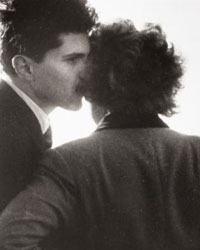
The "Madonna with Children" was a recurring motif for Julia Margaret Cameron and a subject close to her heart as a mother to six children herself. Madonna with Children is an iconic 1864 albumen print by pioneering British photographer Julia Margaret Cameron. Created shortly after she took up photography at the age of 48, the image is a definitive early example of her effort to elevate photography from a mere scientific recording device into a respected form of high art The artist's particularly sensitive rendering of the child, the photograph interestingly looks forward to modern images in particular those of Dorothea Lange and Sally Mann. There is an uncanny resemblance to Lange's iconic 1936, Migrant Mother photograph (executed mere 70 years later, and thousands of miles away). • Artistic Style: The photograph is a cornerstone of Pictorialism, an approach that prioritized beauty, tonality, and emotional composition over sharp documentation. • Visual Elements: It depicts a tender, idealized scene of motherhood meant to evoke religious paintings of the Virgin Mary and the infant Christ. The figures are surrounded by what looks like a large, ethereal white halo. • The Background: Cameron draped her subjects in simple, dark cloaks against plain backgrounds to eliminate time-specific details and give the composition a universal, timeless quality Julia Margaret Cameron (1815–1879) was a pioneering British portrait photographer who became one of the most influential and innovative artists of the 19th century. Despite picking up a camera for the first time at the age of 48, she revolutionized the medium by using deliberate imperfections, dramatic lighting, and soft focus to argue that photography should be treated as high art, rather than a mere scientific record. Born Julia Margaret Pattle in Calcutta (now Kolkata), India, she was the daughter of a British official and an aristocratic French mother. She was educated primarily in France. In 1838, she married Charles Hay Cameron, a jurist and owner of coffee plantations in Ceylon (modern-day Sri Lanka). The couple raised a large family of 11 children (including five biological children and six adopted or fostered children). In 1860, the family moved to Freshwater on the Isle of Wight. Her home became a vibrant hub for the Victorian cultural elite, largely due to her close friendship with her neighbor, the Poet Laureate Alfred Lord Tennyson. Her great-niece would later be the famous modernist author, Virginia Woolf. • In December 1863, her daughter and son-in-law gifted her a wooden camera to combat her loneliness while her family traveled. She famously stated, "From the first moment I handled my lens with a tender ardour... it has become to me as a living thing." • The Studio: She converted a household chicken coop into her glasshouse studio and turned a dark coal bin into her darkroom. • Rapid Success: Working with the physically demanding wet plate collodion process, she quickly mastered the chemistry. Within just a few years, she became the Victoria and Albert Museum (then the South Kensington Museum)'s very first artist-in-residence. • In 1875, facing financial difficulties, Cameron and her husband relocated back to Ceylon to look after their plantations. Because of the extreme tropical humidity and the difficulty of importing clean water and photographic chemicals, her artistic output slowed drastically. She passed away there in 1879 at the age of 63, leaving behind an extraordinary archive of roughly 900 to 3,000 photographs that laid the groundwork for modern fine-art photography.

Nr 108419949

Sprzedane
Julia Margaret Cameron - Madonna and Children

Julia Margaret Cameron - Madonna and Children

The "Madonna with Children" was a recurring motif for Julia Margaret Cameron
and a subject close to her heart as a mother to six children herself.
Madonna with Children is an iconic 1864 albumen print by pioneering British photographer Julia Margaret Cameron. Created shortly after she took up photography at the age of 48, the image is a definitive early example of her effort to elevate photography from a mere scientific recording device into a respected form of high art
The artist's particularly sensitive rendering of the child, the photograph interestingly looks forward to modern images in particular those of Dorothea Lange and Sally Mann. There is an uncanny resemblance to Lange's iconic 1936, Migrant Mother photograph (executed mere 70 years later, and thousands of miles away).
• Artistic Style: The photograph is a cornerstone of Pictorialism, an approach that prioritized beauty, tonality, and emotional composition over sharp documentation.
• Visual Elements: It depicts a tender, idealized scene of motherhood meant to evoke religious paintings of the Virgin Mary and the infant Christ. The figures are surrounded by what looks like a large, ethereal white halo.
• The Background: Cameron draped her subjects in simple, dark cloaks against plain backgrounds to eliminate time-specific details and give the composition a universal, timeless quality
Julia Margaret Cameron (1815–1879) was a pioneering British portrait photographer who became one of the most influential and innovative artists of the 19th century. Despite picking up a camera for the first time at the age of 48, she revolutionized the medium by using deliberate imperfections, dramatic lighting, and soft focus to argue that photography should be treated as high art, rather than a mere scientific record.
Born Julia Margaret Pattle in Calcutta (now Kolkata), India, she was the daughter of a British official and an aristocratic French mother. She was educated primarily in France.
In 1838, she married Charles Hay Cameron, a jurist and owner of coffee plantations in Ceylon (modern-day Sri Lanka).
The couple raised a large family of 11 children (including five biological children and six adopted or fostered children).
In 1860, the family moved to Freshwater on the Isle of Wight. Her home became a vibrant hub for the Victorian cultural elite, largely due to her close friendship with her neighbor, the Poet Laureate Alfred Lord Tennyson. Her great-niece would later be the famous modernist author, Virginia Woolf.
• In December 1863, her daughter and son-in-law gifted her a wooden camera to combat her loneliness while her family traveled. She famously stated, "From the first moment I handled my lens with a tender ardour... it has become to me as a living thing."
• The Studio: She converted a household chicken coop into her glasshouse studio and turned a dark coal bin into her darkroom.
• Rapid Success: Working with the physically demanding wet plate collodion process, she quickly mastered the chemistry. Within just a few years, she became the Victoria and Albert Museum (then the South Kensington Museum)'s very first artist-in-residence.
• In 1875, facing financial difficulties, Cameron and her husband relocated back to Ceylon to look after their plantations. Because of the extreme tropical humidity and the difficulty of importing clean water and photographic chemicals, her artistic output slowed drastically. She passed away there in 1879 at the age of 63, leaving behind an extraordinary archive of roughly 900 to 3,000 photographs that laid the groundwork for modern fine-art photography.

Ostateczna oferta
€ 37
Bez ceny minimalnej
Kai Brückner
Ekspert
Estymacja  € 350 - € 430

Podobne przedmioty

  • ​
    ​
    ​
  • ​
    ​
    ​
  • ​
    ​
    ​
  • ​
    ​
    ​
  • ​
    ​
    ​
  • ​
    ​
    ​
  • ​
    ​
    ​
  • ​
    ​
    ​
  • ​
    ​
    ​
  • ​
    ​
    ​

Dla Ciebie w

Fotografia

  • ​
    ​
    ​
  • ​
    ​
    ​
  • ​
    ​
    ​
  • ​
    ​
    ​
  • ​
    ​
    ​
  • ​
    ​
    ​
  • ​
    ​
    ​
  • ​
    ​
    ​
  • ​
    ​
    ​
  • ​
    ​
    ​
Ustaw alert wyszukiwania
Ustaw alert wyszukiwania, aby otrzymywać powiadomienia o nowych dopasowaniach.

Ten przedmiot został zaprezentowany w


Jak kupować w serwisie Catawiki

Dowiedz się więcej o naszej ochronie nabywców

      1. Odkryj coś wyjątkowego

      Przeglądaj tysiące wyjątkowych przedmiotów wybranych przez ekspertów. Zobacz zdjęcia, szczegóły i wartość szacunkową każdego wyjątkowego przedmiotu. 

      2. Złóż najwyższą ofertę

      Znajdź coś, co Ci się podoba i złóż najwyższą ofertę. Możesz śledzić aukcję do końca lub pozwolić naszemu systemowi licytować za Ciebie. Wszystko, co musisz zrobić, to ustawić ofertę na maksymalną kwotę, którą planujesz wydać. 

      3. Dokonaj bezpiecznej płatności

      Zapłać za swój wyjątkowy przedmiot, a my zabezpieczymy Twoją płatność, dopóki Twój przedmiot nie dotrze bezpiecznie do Ciebie. Używamy zaufanego systemu płatności do obsługi wszystkich transakcji. 

Masz coś podobnego do sprzedania?

Niezależnie od tego, czy dopiero zaczynasz przygodę z aukcjami internetowymi, czy sprzedajesz już profesjonalnie, możemy pomóc Ci sprzedać Twoje wyjątkowe przedmioty za wyższe kwoty, tak abyś mógł zarobić więcej.

Sprzedaj swój przedmiot