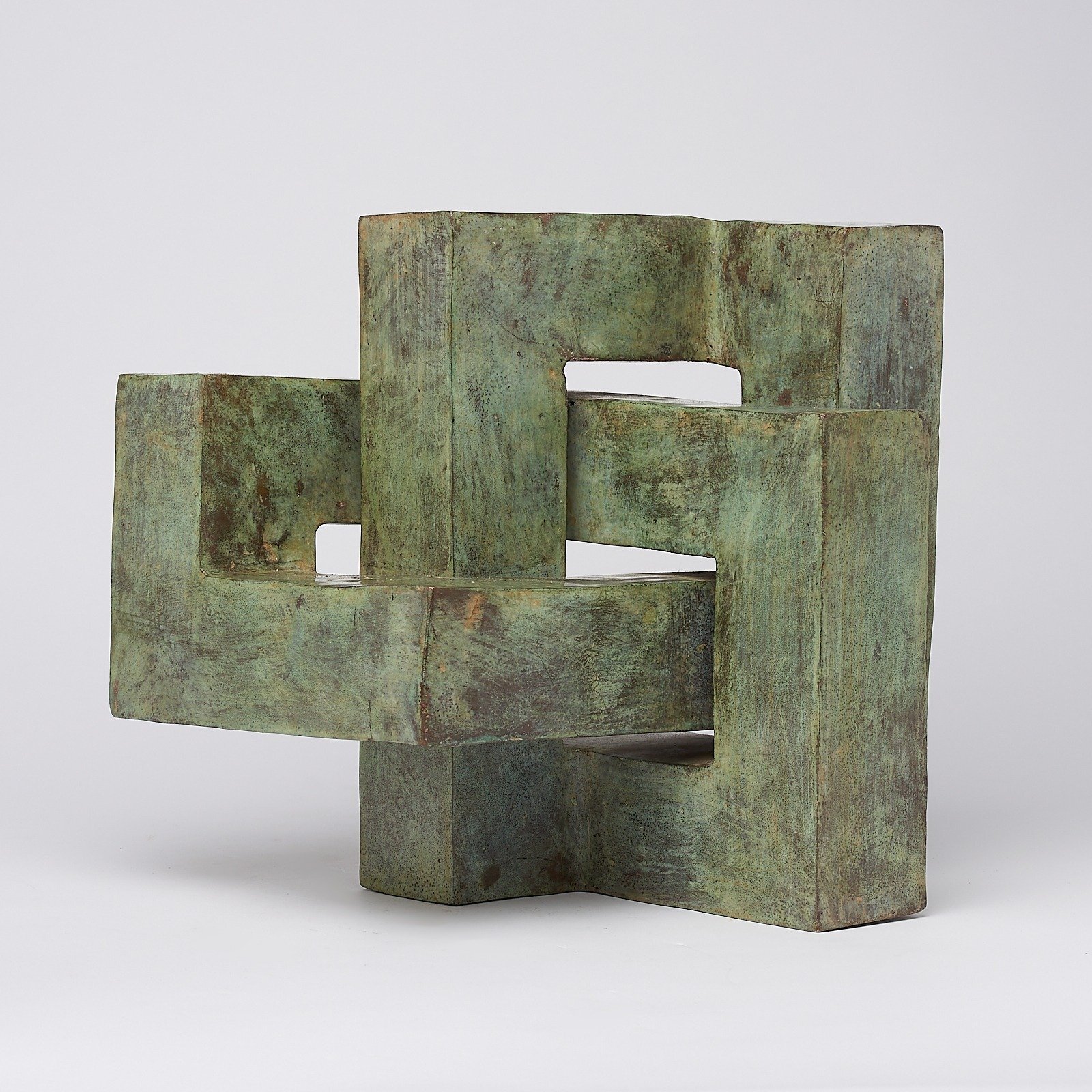
Castiçal - Bronze


04
dias
23
horas
56
minutos
38
segundos
Licitação atual
€ 1
Sem preço de reserva

Especialista
Selecionado por Elena Napoleone
É bacharel em história da arte e arquitetura, com 12 anos de experiência em artes decorativas.
Estimativa € 90 - € 140
 | €1 |
|---|
Proteção do comprador da Catawiki
O seu pagamento está seguro connosco até receber o seu objeto.Ver detalhes
Trustpilot 4.4 | 143467 avaliações
Classificada como Excelente na Trustpilot.
Hanukkiah de bronze de origem europeia, datada 1960–1970, com 21 cm de altura, 26,5 cm de largura e 6,5 cm de profundidade, em bom estado com pequenas sinais de envelhecimento.
Resumo assistido por IA
Descrição fornecida pelo vendedor
Antique brass or bronze Hanukkiah (Jewish candelabrum for the holiday of Hanukkah) in the shape of an oil lamp, crafted in the traditional Eastern European style.
Two Lions of Judah: A traditional Jewish heraldic symbol representing the strength and royal lineage of the Tribe of Judah; they are often depicted guarding and supporting sacred objects. Tablets of the Ten Commandments: Located centrally between the lions. They are inscribed with the first letters of the Hebrew alphabet (from Aleph to Yod), a common method of representing and numbering the commandments in Jewish art. Crown (Keter): Positioned at the top above the tablets, symbolizing the Crown of the Torah or God's sovereignty. Base with eight receptacles: At the very bottom lies a classic "bun-shaped" reservoir featuring eight connected receptacles; oil was poured into these, and wicks were placed in them to be lit during the eight days of Hanukkah. Shamash (helper light): At the very top of the arch sits a separate holder intended for the Shamash—the candle or wick used to light the other lamps. Such wall-mounted or tabletop oil lamps were produced using casting techniques (most commonly sand casting) in Eastern Europe (such as Poland, Ukraine, or Galicia) during the late 19th or early 20th century, and were used in households to celebrate the Festival of Lights.
Name: Bronze Hanukkiah
Period: Late 19th or early 20th century
Dados
Era
1900-2000
N.º de artigos
1
País de origem
Europa
Material
Bronze
Estado
Bom estado - usado com pequenos sinais de envelhecimento e manchas
Altura
21 cm
Largura
26,5 cm
Profundidade
6,5 cm
Período Estimado
1960-1970
Vendido por