Nr. 100094673

Nu mai este disponibil
Ionia 1/24 El Gold  stater circa 625-600 BC
Ofertare încheiată
Acum 2 h

Ionia 1/24 El Gold stater circa 625-600 BC

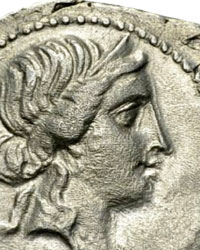
IONIA. Uncertain mint. Circa 600-550 BC. 1/24 Stater (Electrum gold, 6 mm, 0.63 g). Uncertain design Rev. Incuse punch with pellets. Electrum=elektron is een alloy of mainly gold and silver used for the first coins. Other than the literary tradition ascribing the origin of coinage to the kings of Lydia, there is little evidence for a more exact chronology of early Greek coinage. The tradition, buttressed by limited archaeological studies, does confirm Asia Minor as the place of origin, most likely Lydia or Ionia, and a date somewhere around 650-625 BC. The alloy used, a mixture of gold and silver known to the Greeks as elektron was based on the natural ore found in nugget form in many riverbeds in the region. The earliest coins were of a globular shape and without design in imitation of this natural form; later, simple striated and punched patterns of squares, rectangles, and swastikas were included. The earliest true types may have developed from the use of personal seals, the most widely known being the stater of Ephesos with a stag bearing the inscription “I am a seal of Phanes”. These devices later took on the characteristics of civic symbols, although it would be dangerous to link a specific symbol to a particular city in this early period. The most secure form of classification has been by weight standard, based on two major, and several lesser-used, standards. The Milesian standard, with a stater of roughly 14 grams, saw circulation in Lydia and parts of Ionia. The Phokaic standard of roughly 16 grams was also used in Ionia as well as Mysia. Persic, Aeginetan, and Euboic standards saw scattered use in early coinage, limited in time and extent of circulation. The intrinsic value of the early electrum, even down to the 1/96 stater, was too high for use in everyday commerce, and early coinage must have been used only for the transfer of large sums of money, such as mercantile transactions, payment of government expenses (mercenaries, tribute and such), and donatives, either for services rendered to individuals or the state, or to religious foundations. The Artemision deposits, hoards of early electrum found at the site of the temple of Artemis at Ephesos, are examples of the latter.

Nr. 100094673

Nu mai este disponibil
Ionia 1/24 El Gold  stater circa 625-600 BC

Ionia 1/24 El Gold stater circa 625-600 BC

IONIA. Uncertain mint. Circa 600-550 BC. 1/24 Stater (Electrum gold, 6 mm, 0.63 g). Uncertain design Rev. Incuse punch with pellets.

Electrum=elektron is een alloy of mainly gold and silver used for the first coins.
Other than the literary tradition ascribing the origin of coinage to the kings of Lydia, there is little evidence for a more exact chronology of early Greek coinage. The tradition, buttressed by limited archaeological studies, does confirm Asia Minor as the place of origin, most likely Lydia or Ionia, and a date somewhere around 650-625 BC. The alloy used, a mixture of gold and silver known to the Greeks as elektron was based on the natural ore found in nugget form in many riverbeds in the region. The earliest coins were of a globular shape and without design in imitation of this natural form; later, simple striated and punched patterns of squares, rectangles, and swastikas were included. The earliest true types may have developed from the use of personal seals, the most widely known being the stater of Ephesos with a stag bearing the inscription “I am a seal of Phanes”. These devices later took on the characteristics of civic symbols, although it would be dangerous to link a specific symbol to a particular city in this early period. The most secure form of classification has been by weight standard, based on two major, and several lesser-used, standards. The Milesian standard, with a stater of roughly 14 grams, saw circulation in Lydia and parts of Ionia. The Phokaic standard of roughly 16 grams was also used in Ionia as well as Mysia. Persic, Aeginetan, and Euboic standards saw scattered use in early coinage, limited in time and extent of circulation. The intrinsic value of the early electrum, even down to the 1/96 stater, was too high for use in everyday commerce, and early coinage must have been used only for the transfer of large sums of money, such as mercantile transactions, payment of government expenses (mercenaries, tribute and such), and donatives, either for services rendered to individuals or the state, or to religious foundations. The Artemision deposits, hoards of early electrum found at the site of the temple of Artemis at Ephesos, are examples of the latter.

Ofertare încheiată
Carmen Vera Gutiérrez
Expert
Estimat  € 200 - € 220

Obiecte similare

Pentru dvs. în

Monede Antice

Setează o alertă de căutare
Setează o alertă de căutare pentru a primi notificări atunci când sunt disponibile potriviri noi.

Acest obiect a apărut în


Cum să cumperi de la Catawiki

Aflați mai multe despre protecția cumpărătorului

      1. Descoperă ceva special

      Răsfoiește printre mii de obiecte speciale selectate de experți. Vezi fotografiile, detaliile și valoarea estimată a fiecărui obiect special. 

      2. Plasează cea mai mare ofertă

      Găsește un obiect care îți place și plasează cea mai mare ofertă. Poți urmări licitația până la final sau poți permite sistemului nostru să plaseze oferte în locul tău. Nu trebuie decât să stabilești o ofertă cu suma maximă pe care ești dispus să o plătești. 

      3. Fă o plată sigură

      Plătește pentru obiectul tău special iar noi îți vom păstra plata în siguranță până când obiectul ajunge în stare perfectă. Folosim un sistem de plată sigur pentru gestionarea tranzacțiilor. 

Ai ceva asemănător de vânzare?

Fie că abia ai descoperit licitațiile online sau vinzi în mod profesional, te putem ajuta să câștigi mai mult pentru obiectele tale speciale.

Vinde-ți obiectul