Nr. 100206263

Nu mai este disponibil
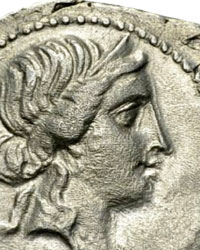
Impreiu Roman. Elagabalus (AD 218-222). Denarius Rome - ABVNDANTIA AVG
Ofertare încheiată
Acum 2 zile

Impreiu Roman. Elagabalus (AD 218-222). Denarius Rome - ABVNDANTIA AVG

RULER: Elagabalus DATE: 218 - 222 A.D DENOMINATION: Denarius MATERIAL: Silver, AR SIZE & WEIGHT: 18 mm, 3 gr OBVERSE: Laureate bust of Elagabalus draped to right, around IMP ANTONINVS PIVS AVG REVERSE: Around ABVNDANTIA AVG, Abundantia standing to left emptying cornucopiae held with both hands, star to left REFERENCES: RIC 56, RSC 1a, BMC 189 Comes with Certificate of Authenticity and Export Licence. If you are from outside the European Union, we will have to apply for the export licence again for your country, this takes 3 to 5 weeks and has a cost of 5% of the hammer price, this amount will be added to the final invoice. Marcus Aurelius Antoninus (c. 203/4–222 CE), better known as Elagabalus (or Heliogabalus), was a Roman emperor whose brief reign, beginning at the age of 14, was one of the most controversial in Roman history. Born Sextus Varius Avitus Bassianus in Emesa, Syria, he was the hereditary high priest of the local sun god, Elagabal. His rise to power in 218 CE was engineered by his formidable grandmother, Julia Maesa, who leveraged the family's connection to the Severan dynasty by claiming Elagabalus was the illegitimate son of the recently assassinated Emperor Caracalla. This claim successfully won the loyalty of a legion, defeated the reigning usurper Macrinus, and saw the teenage priest installed on the imperial throne. The emperor's reign was immediately dominated by his religious zeal, which shocked and alienated the Roman aristocracy. Elagabalus brought the sacred symbol of his Syrian god—a large, black conical meteorite (baetyl)—to Rome, constructed the magnificent Elagabalium temple on the Palatine Hill, and elevated the deity Sol Invictus Elagabal to the position of supreme god in the Roman pantheon, superseding Jupiter himself. The emperor, dressing in flowing, ornate Syrian priestly robes and a tiara, performed ecstatic public rituals, which were deemed "barbaric" and effeminate by traditionalist Romans. His highly unusual public and personal life, including marrying a Vestal Virgin and allegedly prostituting himself, fueled tales of extreme decadence, eccentricity, and disregard for Roman customs. This combination of religious fanaticism, alleged sexual impropriety, and the promotion of non-traditional advisors proved to be his undoing. Julia Maesa, fearing that her grandson’s outrageous behavior would bring ruin to her entire dynasty, decided to replace him. She began promoting his younger, more moderate cousin, Severus Alexander, as a successor. After Elagabalus tried to have Alexander assassinated, the Praetorian Guard, thoroughly alienated, revolted. On March 11, 222 CE, at the age of 18, Elagabalus and his mother, Julia Soaemias, were murdered by the Guards. Their bodies were mutilated, dragged through the streets of Rome, and ultimately thrown into the Tiber River, followed by a formal damnatio memoriae to erase his memory from public records.

Nr. 100206263

Nu mai este disponibil
Impreiu Roman. Elagabalus (AD 218-222). Denarius Rome - ABVNDANTIA AVG

Impreiu Roman. Elagabalus (AD 218-222). Denarius Rome - ABVNDANTIA AVG

RULER: Elagabalus
DATE: 218 - 222 A.D
DENOMINATION: Denarius
MATERIAL: Silver, AR
SIZE & WEIGHT: 18 mm, 3 gr
OBVERSE: Laureate bust of Elagabalus draped to right, around IMP ANTONINVS PIVS AVG
REVERSE: Around ABVNDANTIA AVG, Abundantia standing to left emptying cornucopiae held with both hands, star to left
REFERENCES: RIC 56, RSC 1a, BMC 189

Comes with Certificate of Authenticity and Export Licence. If you are from outside the European Union, we will have to apply for the export licence again for your country, this takes 3 to 5 weeks and has a cost of 5% of the hammer price, this amount will be added to the final invoice.

Marcus Aurelius Antoninus (c. 203/4–222 CE), better known as Elagabalus (or Heliogabalus), was a Roman emperor whose brief reign, beginning at the age of 14, was one of the most controversial in Roman history. Born Sextus Varius Avitus Bassianus in Emesa, Syria, he was the hereditary high priest of the local sun god, Elagabal. His rise to power in 218 CE was engineered by his formidable grandmother, Julia Maesa, who leveraged the family's connection to the Severan dynasty by claiming Elagabalus was the illegitimate son of the recently assassinated Emperor Caracalla. This claim successfully won the loyalty of a legion, defeated the reigning usurper Macrinus, and saw the teenage priest installed on the imperial throne.

The emperor's reign was immediately dominated by his religious zeal, which shocked and alienated the Roman aristocracy. Elagabalus brought the sacred symbol of his Syrian god—a large, black conical meteorite (baetyl)—to Rome, constructed the magnificent Elagabalium temple on the Palatine Hill, and elevated the deity Sol Invictus Elagabal to the position of supreme god in the Roman pantheon, superseding Jupiter himself. The emperor, dressing in flowing, ornate Syrian priestly robes and a tiara, performed ecstatic public rituals, which were deemed "barbaric" and effeminate by traditionalist Romans. His highly unusual public and personal life, including marrying a Vestal Virgin and allegedly prostituting himself, fueled tales of extreme decadence, eccentricity, and disregard for Roman customs.

This combination of religious fanaticism, alleged sexual impropriety, and the promotion of non-traditional advisors proved to be his undoing. Julia Maesa, fearing that her grandson’s outrageous behavior would bring ruin to her entire dynasty, decided to replace him. She began promoting his younger, more moderate cousin, Severus Alexander, as a successor. After Elagabalus tried to have Alexander assassinated, the Praetorian Guard, thoroughly alienated, revolted. On March 11, 222 CE, at the age of 18, Elagabalus and his mother, Julia Soaemias, were murdered by the Guards. Their bodies were mutilated, dragged through the streets of Rome, and ultimately thrown into the Tiber River, followed by a formal damnatio memoriae to erase his memory from public records.

Ofertare încheiată
Carmen Vera Gutiérrez
Expert
Estimat  € 150 - € 200

Obiecte similare

Pentru dvs. în

Monede Antice

Setează o alertă de căutare
Setează o alertă de căutare pentru a primi notificări atunci când sunt disponibile potriviri noi.

Acest obiect a apărut în


Cum să cumperi de la Catawiki

Aflați mai multe despre protecția cumpărătorului

      1. Descoperă ceva special

      Răsfoiește printre mii de obiecte speciale selectate de experți. Vezi fotografiile, detaliile și valoarea estimată a fiecărui obiect special. 

      2. Plasează cea mai mare ofertă

      Găsește un obiect care îți place și plasează cea mai mare ofertă. Poți urmări licitația până la final sau poți permite sistemului nostru să plaseze oferte în locul tău. Nu trebuie decât să stabilești o ofertă cu suma maximă pe care ești dispus să o plătești. 

      3. Fă o plată sigură

      Plătește pentru obiectul tău special iar noi îți vom păstra plata în siguranță până când obiectul ajunge în stare perfectă. Folosim un sistem de plată sigur pentru gestionarea tranzacțiilor. 

Ai ceva asemănător de vânzare?

Fie că abia ai descoperit licitațiile online sau vinzi în mod profesional, te putem ajuta să câștigi mai mult pentru obiectele tale speciale.

Vinde-ți obiectul