Nr. 99239870

Nu mai este disponibil
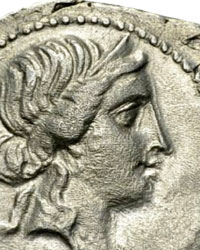
Republica Romană (Imperatorial). Marcus Iunius Brutus. Denarius From the E.E. Clain-Stefanelli collection
Ofertare încheiată
Acum 2 săptămâni

Republica Romană (Imperatorial). Marcus Iunius Brutus. Denarius From the E.E. Clain-Stefanelli collection

RULER: Brutus DATE: Mint moving, 43-42 B.C DENOMINATION: Denarius MATERIAL: Silver, AR SIZE & WEIGHT: 17 mm, 3,49 gr OBVERSE: LEIBERTAS, head of Libertas right REVERSE: CAEPIO BRVTVS PRO COS, Lyre between a quiver and a laurel branch REFERENCES: Crawford 501/1 PROVENANCE: From the E.E. Clain-Stefanelli collection Comes with Certificate of Authenticity Marcus Junius Brutus (c. 85–42 BC) was a Roman senator and politician whose life remains one of the most polarizing and dramatic chapters in the history of the late Roman Republic. Descended from Lucius Junius Brutus, the semi-legendary founder of the Republic who expelled the last king, Marcus Brutus inherited a deep-seated philosophical commitment to libertas—the traditional concept of liberty and senatorial rule. Despite this staunch Republicanism, he was pardoned and highly favored by Julius Caesar after the Civil War, receiving high honors such as the governorship of Cisalpine Gaul and the urban praetorship. Brutus’s personal integrity, coupled with his close relationship with Caesar—whose mistress was Brutus's mother, Servilia—made his eventual betrayal of his benefactor all the more shocking. The pivotal moment of Brutus’s life was his decision to join and ultimately lead the conspiracy to assassinate Julius Caesar. Driven by the fear that Caesar’s self-declaration as "Dictator for Life" on the Ides of March, 44 BC, signaled the permanent end of the Republic and a return to monarchy, Brutus put his philosophical duty above his personal loyalties. The conspirators, calling themselves the Liberatores (Liberators), struck Caesar down at a Senate meeting, a moment forever immortalized by the dramatic, likely fictional, line "Et tu, Brute?" The immediate aftermath, however, did not bring the expected restoration of the Republic. Instead, a public outcry, fueled by Mark Antony’s rhetoric, forced Brutus and his co-conspirator, Gaius Cassius Longinus, to flee Rome. Brutus and Cassius consolidated their forces and treasuries in the eastern provinces, preparing for a confrontation with the Second Triumvirate, composed of Mark Antony, Octavian (Caesar’s adopted son and heir), and Lepidus. This conflict culminated in the two decisive Battles of Philippi in Macedonia in 42 BC. After his army was utterly defeated in the second engagement, Brutus, refusing to be captured, chose to take his own life. His death marked the final, futile stand for the Roman Republic and ushered in the final stage of the civil wars that would ultimately lead to the rise of Octavian (Augustus) as Rome’s first Emperor. Brutus's legacy remains complex, viewed by some as the "noblest Roman" who fought for freedom, and by others as a treacherous murderer.

Nr. 99239870

Nu mai este disponibil
Republica Romană (Imperatorial). Marcus Iunius Brutus. Denarius From the E.E. Clain-Stefanelli collection

Republica Romană (Imperatorial). Marcus Iunius Brutus. Denarius From the E.E. Clain-Stefanelli collection

RULER: Brutus
DATE: Mint moving, 43-42 B.C
DENOMINATION: Denarius
MATERIAL: Silver, AR
SIZE & WEIGHT: 17 mm, 3,49 gr
OBVERSE: LEIBERTAS, head of Libertas right
REVERSE: CAEPIO BRVTVS PRO COS, Lyre between a quiver and a laurel branch
REFERENCES: Crawford 501/1
PROVENANCE: From the E.E. Clain-Stefanelli collection

Comes with Certificate of Authenticity

Marcus Junius Brutus (c. 85–42 BC) was a Roman senator and politician whose life remains one of the most polarizing and dramatic chapters in the history of the late Roman Republic. Descended from Lucius Junius Brutus, the semi-legendary founder of the Republic who expelled the last king, Marcus Brutus inherited a deep-seated philosophical commitment to libertas—the traditional concept of liberty and senatorial rule. Despite this staunch Republicanism, he was pardoned and highly favored by Julius Caesar after the Civil War, receiving high honors such as the governorship of Cisalpine Gaul and the urban praetorship. Brutus’s personal integrity, coupled with his close relationship with Caesar—whose mistress was Brutus's mother, Servilia—made his eventual betrayal of his benefactor all the more shocking.

The pivotal moment of Brutus’s life was his decision to join and ultimately lead the conspiracy to assassinate Julius Caesar. Driven by the fear that Caesar’s self-declaration as "Dictator for Life" on the Ides of March, 44 BC, signaled the permanent end of the Republic and a return to monarchy, Brutus put his philosophical duty above his personal loyalties. The conspirators, calling themselves the Liberatores (Liberators), struck Caesar down at a Senate meeting, a moment forever immortalized by the dramatic, likely fictional, line "Et tu, Brute?" The immediate aftermath, however, did not bring the expected restoration of the Republic. Instead, a public outcry, fueled by Mark Antony’s rhetoric, forced Brutus and his co-conspirator, Gaius Cassius Longinus, to flee Rome.

Brutus and Cassius consolidated their forces and treasuries in the eastern provinces, preparing for a confrontation with the Second Triumvirate, composed of Mark Antony, Octavian (Caesar’s adopted son and heir), and Lepidus. This conflict culminated in the two decisive Battles of Philippi in Macedonia in 42 BC. After his army was utterly defeated in the second engagement, Brutus, refusing to be captured, chose to take his own life. His death marked the final, futile stand for the Roman Republic and ushered in the final stage of the civil wars that would ultimately lead to the rise of Octavian (Augustus) as Rome’s first Emperor. Brutus's legacy remains complex, viewed by some as the "noblest Roman" who fought for freedom, and by others as a treacherous murderer.

Ofertare încheiată
Carmen Vera Gutiérrez
Expert
Estimat  € 550 - € 650

Obiecte similare

Pentru dvs. în

Monede Antice

Setează o alertă de căutare
Setează o alertă de căutare pentru a primi notificări atunci când sunt disponibile potriviri noi.

Acest obiect a apărut în


Cum să cumperi de la Catawiki

Aflați mai multe despre protecția cumpărătorului

      1. Descoperă ceva special

      Răsfoiește printre mii de obiecte speciale selectate de experți. Vezi fotografiile, detaliile și valoarea estimată a fiecărui obiect special. 

      2. Plasează cea mai mare ofertă

      Găsește un obiect care îți place și plasează cea mai mare ofertă. Poți urmări licitația până la final sau poți permite sistemului nostru să plaseze oferte în locul tău. Nu trebuie decât să stabilești o ofertă cu suma maximă pe care ești dispus să o plătești. 

      3. Fă o plată sigură

      Plătește pentru obiectul tău special iar noi îți vom păstra plata în siguranță până când obiectul ajunge în stare perfectă. Folosim un sistem de plată sigur pentru gestionarea tranzacțiilor. 

Ai ceva asemănător de vânzare?

Fie că abia ai descoperit licitațiile online sau vinzi în mod profesional, te putem ajuta să câștigi mai mult pentru obiectele tale speciale.

Vinde-ți obiectul