Nr. 99710852

Vândut
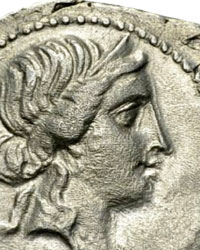
Republica Romană Lot of 5 Æ coins 3rd - 1st century BC
Ofertă finală
€ 101
Acum 3 săptămâni

Republica Romană Lot of 5 Æ coins 3rd - 1st century BC

ITEM: Coins lot (5 pieces) MATERIAL: Bronze CULTURE: Roman Republic PERIOD: 3rd - 1st Century B.C DIMENSIONS: 32 mm, 31,1 gr - 30 mm, 24,7 gr - 27 mm, 13,7 gr, 30 mm, 20 gr - 30 mm, 14 gr - 29 mm, 19 gr CONDITION: Good condition, see pictures PROVENANCE: Ex German private collection, acquired before 2000s Comes with Certificate of Authenticity and Export Licence. If you are from outside the European Union, we will have to apply for the export licence again for your country, this takes 3 to 5 weeks and has a cost of 5% of the hammer price, this amount will be added to the final invoice. The earliest period of Roman coinage, spanning the start of the Republic (c. 509 BCE) until the mid-3rd century BCE, was dominated by large, crude pieces of bronze. Initially, Rome used uncoined bronze (aes rude) for trade, but soon introduced marked bronze bars known as aes signatum (stamped bronze), which bore simple designs like oxen or tridents and served as an early form of currency. The decisive shift came around 280 BCE with the introduction of the heavy cast bronze coin, the aes grave (heavy bronze), which was produced at state mints and featured defined weights and designs, often depicting gods like Janus or Minerva, and used primarily in central Italy. This bronze system represented a currency of intrinsic value, as the metal itself was the bulk of the coin's worth, and it was primarily used for everyday local transactions.The true innovation in Roman Republican coinage began around 211 BCE, prompted by the massive financial needs of the Second Punic War. This critical period saw the introduction of the denarius , a lightweight silver coin that became the standard currency of the Republic for centuries. Struck on a much smaller scale and using die-stamping technology, the early denarius weighed about $4.5$ grams and was tariffed at ten asses (bronze coins), quickly displacing the bulky aes grave and facilitating trade across Italy and the growing Mediterranean empire. The designs on these early Republican denarii were often generic, featuring the helmeted head of Roma on the obverse and a scene with the twin gods Castor and Pollux on the reverse, solidifying the image of the Roman state.As the Republic matured, particularly after the mid-2nd century BCE, the function and design of the denarius evolved. Control over coinage became a prestigious duty held by the tresviri monetales (three moneyers), young magistrates who began to personalize the issues. Coin reverses started featuring dynastic references to the moneyer's family history, military achievements, or political affiliations—a form of public propaganda unprecedented in Rome. This trend accelerated into the Late Republic, with powerful figures like Julius Caesar and Pompey issuing coins that bore their own portraits, a significant departure from the earlier tradition of depicting only gods or abstract personifications, directly foreshadowing the imperial portraiture that would define coinage under the subsequent Roman Empire.

Nr. 99710852

Vândut
Republica Romană Lot of 5 Æ coins 3rd - 1st century BC

Republica Romană Lot of 5 Æ coins 3rd - 1st century BC

ITEM: Coins lot (5 pieces)
MATERIAL: Bronze
CULTURE: Roman Republic
PERIOD: 3rd - 1st Century B.C
DIMENSIONS: 32 mm, 31,1 gr - 30 mm, 24,7 gr - 27 mm, 13,7 gr, 30 mm, 20 gr - 30 mm, 14 gr - 29 mm, 19 gr
CONDITION: Good condition, see pictures
PROVENANCE: Ex German private collection, acquired before 2000s

Comes with Certificate of Authenticity and Export Licence. If you are from outside the European Union, we will have to apply for the export licence again for your country, this takes 3 to 5 weeks and has a cost of 5% of the hammer price, this amount will be added to the final invoice.

The earliest period of Roman coinage, spanning the start of the Republic (c. 509 BCE) until the mid-3rd century BCE, was dominated by large, crude pieces of bronze. Initially, Rome used uncoined bronze (aes rude) for trade, but soon introduced marked bronze bars known as aes signatum (stamped bronze), which bore simple designs like oxen or tridents and served as an early form of currency. The decisive shift came around 280 BCE with the introduction of the heavy cast bronze coin, the aes grave (heavy bronze), which was produced at state mints and featured defined weights and designs, often depicting gods like Janus or Minerva, and used primarily in central Italy. This bronze system represented a currency of intrinsic value, as the metal itself was the bulk of the coin's worth, and it was primarily used for everyday local transactions.The true innovation in Roman Republican coinage began around 211 BCE, prompted by the massive financial needs of the Second Punic War. This critical period saw the introduction of the denarius , a lightweight silver coin that became the standard currency of the Republic for centuries. Struck on a much smaller scale and using die-stamping technology, the early denarius weighed about $4.5$ grams and was tariffed at ten asses (bronze coins), quickly displacing the bulky aes grave and facilitating trade across Italy and the growing Mediterranean empire. The designs on these early Republican denarii were often generic, featuring the helmeted head of Roma on the obverse and a scene with the twin gods Castor and Pollux on the reverse, solidifying the image of the Roman state.As the Republic matured, particularly after the mid-2nd century BCE, the function and design of the denarius evolved. Control over coinage became a prestigious duty held by the tresviri monetales (three moneyers), young magistrates who began to personalize the issues. Coin reverses started featuring dynastic references to the moneyer's family history, military achievements, or political affiliations—a form of public propaganda unprecedented in Rome. This trend accelerated into the Late Republic, with powerful figures like Julius Caesar and Pompey issuing coins that bore their own portraits, a significant departure from the earlier tradition of depicting only gods or abstract personifications, directly foreshadowing the imperial portraiture that would define coinage under the subsequent Roman Empire.

Ofertă finală
€ 101
Carmen Vera Gutiérrez
Expert
Estimat  € 150 - € 200

Obiecte similare

Pentru dvs. în

Monede Antice

Setează o alertă de căutare
Setează o alertă de căutare pentru a primi notificări atunci când sunt disponibile potriviri noi.

Acest obiect a apărut în


Cum să cumperi de la Catawiki

Aflați mai multe despre protecția cumpărătorului

      1. Descoperă ceva special

      Răsfoiește printre mii de obiecte speciale selectate de experți. Vezi fotografiile, detaliile și valoarea estimată a fiecărui obiect special. 

      2. Plasează cea mai mare ofertă

      Găsește un obiect care îți place și plasează cea mai mare ofertă. Poți urmări licitația până la final sau poți permite sistemului nostru să plaseze oferte în locul tău. Nu trebuie decât să stabilești o ofertă cu suma maximă pe care ești dispus să o plătești. 

      3. Fă o plată sigură

      Plătește pentru obiectul tău special iar noi îți vom păstra plata în siguranță până când obiectul ajunge în stare perfectă. Folosim un sistem de plată sigur pentru gestionarea tranzacțiilor. 

Ai ceva asemănător de vânzare?

Fie că abia ai descoperit licitațiile online sau vinzi în mod profesional, te putem ajuta să câștigi mai mult pentru obiectele tale speciale.

Vinde-ți obiectul