Nr. 100204118

Nicht mehr verfügbar
Könige von Lydia. Tempel Krösus - Kambyses (ca. 560-525 v.u.Z.). 1/6 Stater Sardes
Auktion beendet
Vor 2 Tagen

Könige von Lydia. Tempel Krösus - Kambyses (ca. 560-525 v.u.Z.). 1/6 Stater Sardes

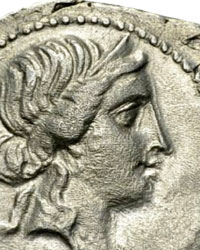
KINGS OF LYDIA. Kroisos, circa 560-546 BC. Kings of Lydia. Kroisos, AR silver 1/6 Stater. 1.67 g 10.73 mm. Circa 564/53-550/39 BC. Sardes. Obv.: Confronted foreparts of lion and bull. Rev.: Two incuse square punches. Ref.: SNG Kayhan I 1019. Kroisos, also known as Croesus in Greek mythology and history, was the king of Lydia, an ancient kingdom located in western Anatolia (modern-day Turkey). Kroisos is renowned for his wealth and power, making him a prominent figure in both Greek history and mythology. He ruled Lydia during the 6th century BCE, overseeing a prosperous kingdom known for its advancements in commerce and minting the first standardized coins made of electrum, a natural alloy of gold and silver. One of Kroisos' notable achievements was expanding Lydia's influence and wealth through strategic alliances and trade routes that extended across Asia Minor and into Greece. His wealth became legendary, earning him the reputation of being the richest man of his time. Kroisos' reign is also marked by his interactions with neighboring powers, including the Greek city-states and the rising Persian Empire under Cyrus the Great. His alliance with the Oracle of Delphi, seeking advice on potential conflict with Persia, famously led to a misinterpretation that ultimately resulted in his defeat by Cyrus. Despite his defeat, Kroisos remained a symbol of wealth and prosperity in Greek and later Western traditions. His story serves as a cautionary tale about the unpredictability of fate and the transient nature of material wealth. In summary, Kroisos, or Croesus, was a pivotal figure whose reign symbolized Lydia's prosperity and strategic importance in ancient Anatolia. His legacy endures through historical accounts, myths, and philosophical reflections on the nature of wealth and power in human societies.

Nr. 100204118

Nicht mehr verfügbar
Könige von Lydia. Tempel Krösus - Kambyses (ca. 560-525 v.u.Z.). 1/6 Stater Sardes

Könige von Lydia. Tempel Krösus - Kambyses (ca. 560-525 v.u.Z.). 1/6 Stater Sardes


KINGS OF LYDIA. Kroisos, circa 560-546 BC.
Kings of Lydia. Kroisos, AR silver 1/6 Stater. 1.67 g 10.73 mm. Circa 564/53-550/39 BC. Sardes.
Obv.: Confronted foreparts of lion and bull.
Rev.: Two incuse square punches.
Ref.: SNG Kayhan I 1019.

Kroisos, also known as Croesus in Greek mythology and history, was the king of Lydia, an ancient kingdom located in western Anatolia (modern-day Turkey). Kroisos is renowned for his wealth and power, making him a prominent figure in both Greek history and mythology. He ruled Lydia during the 6th century BCE, overseeing a prosperous kingdom known for its advancements in commerce and minting the first standardized coins made of electrum, a natural alloy of gold and silver. One of Kroisos' notable achievements was expanding Lydia's influence and wealth through strategic alliances and trade routes that extended across Asia Minor and into Greece. His wealth became legendary, earning him the reputation of being the richest man of his time. Kroisos' reign is also marked by his interactions with neighboring powers, including the Greek city-states and the rising Persian Empire under Cyrus the Great. His alliance with the Oracle of Delphi, seeking advice on potential conflict with Persia, famously led to a misinterpretation that ultimately resulted in his defeat by Cyrus. Despite his defeat, Kroisos remained a symbol of wealth and prosperity in Greek and later Western traditions. His story serves as a cautionary tale about the unpredictability of fate and the transient nature of material wealth. In summary, Kroisos, or Croesus, was a pivotal figure whose reign symbolized Lydia's prosperity and strategic importance in ancient Anatolia. His legacy endures through historical accounts, myths, and philosophical reflections on the nature of wealth and power in human societies.

Auktion beendet
Carmen Vera Gutiérrez
Experte
Schätzung  € 170 - € 200

Ähnliche Objekte

Für Sie aus der Kategorie

Antike Münzen

Suchalarm einrichten
Richten Sie einen Suchalarm ein, um benachrichtigt zu werden, sobald neue passende Objekte verfügbar sind.

Dieses Objekt wurde vorgestellt in:


So kaufen Sie auf Catawiki

Mehr zum Käuferschutz erfahren

      1. Etwas Besonderes entdecken

      Entdecken Sie in unseren Auktionen Tausende von besonderen Objekten, die von Experten ausgewählt wurden. Sehen Sie sich die Fotos, die ausführliche Beschreibung und den Schätzwert der besonderen Objekte an, die Sie interessieren. 

      2. Höchstgebot abgeben

      Finden Sie etwas, das Sie begeistert, und geben Sie das Höchstgebot ab. Sie können die Auktion bis zum Schluss mitverfolgen oder unser System für Sie bieten lassen. Dazu müssen Sie einfach nur den Maximalbetrag eingeben, den Sie für das jeweilige Objekt ausgeben möchten. 

      3. Sichere Zahlung durchführen

      Bezahlen Sie Ihr besonderes Objekt und wir verwahren Ihre Zahlung, bis Ihr Objekt unversehrt bei Ihnen angekommen ist. Wir wickeln alle Transaktionen mit einem zuverlässigen und sicheren Zahlungssystem ab. 

Haben Sie etwas Ähnliches zu verkaufen?

Unabhängig davon, ob Online-Auktionen Neuland für Sie sind oder ob Sie gewerblich verkaufen – wir helfen Ihnen, mehr mit Ihren besonderen Objekten zu verdienen.

Objekt verkaufen