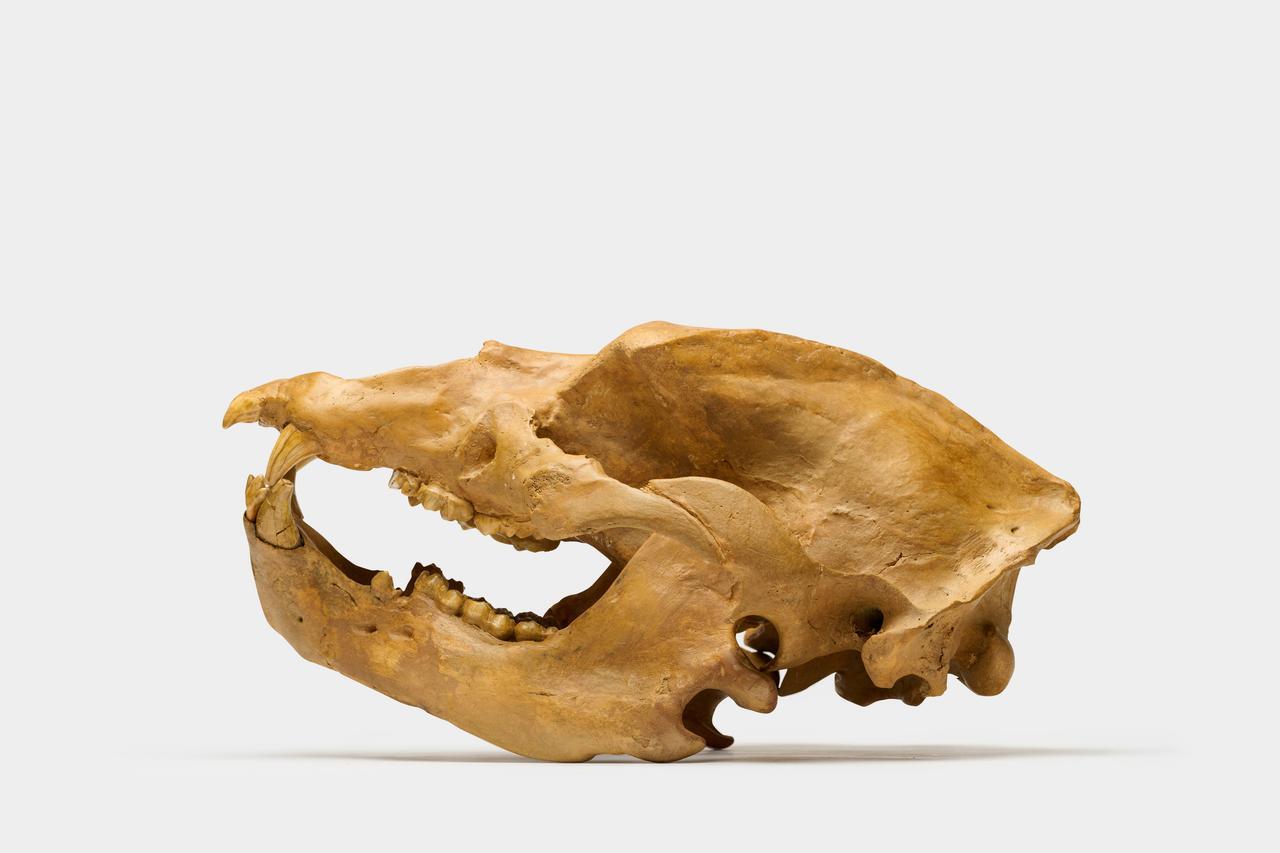
Fisch - Tierfossil - Libanopristis hiram - 30 cm - 24 cm
05
Tage
12
Stunden
51
Minuten
09
Sekunden
Startgebot
€ 1
Mindestpreis nicht erreicht

Es wurden keine Gebote abgegeben
Käuferschutz auf Catawiki
Ihre Zahlung wird von uns sicher verwahrt, bis Sie Ihr Objekt erhalten.Details ansehen
Trustpilot 4.4 | 139877 Bewertungen
Auf Trustpilot als hervorragend bewertet.
Vom Verkäufer bereitgestellte Beschreibung
Fossil Ray — Libanopristis hiram
Late Cretaceous, Cenomanian | Hjoula, Lebanon
Offered here is a beautifully preserved fossil specimen of Libanopristis hiram, an extinct ray from the Late Cretaceous of Lebanon.
The specimen originates from the renowned fossil locality of Hjoula, one of Lebanon’s most important Lagerstätten. Hjoula is particularly famous for its remarkable diversity of fossil decapod crustaceans, but it has also yielded exceptionally well-preserved vertebrate remains, providing a fascinating insight into the marine ecosystems of the Cenomanian.
The fossils from this locality are thought to have been deposited under anoxic or oxygen-depleted conditions. Such depositional environments can greatly reduce biological decay and scavenging, which helps explain the exceptional preservation encountered at Hjoula, including the preservation of delicate anatomical details and, in some specimens, soft-tissue
Libanopristis is especially significant from a palaeontological perspective because fossils attributed to this genus provided some of the earliest evidence used to demonstrate ovoviviparity in fossil rays. This reproductive strategy, in which embryos develop within eggs retained inside the mother, offers a rare glimpse into the biology and reproductive evolution of ancient elasmobranchs.
A fossil from Hjoula is more than simply a beautifully preserved specimen: it represents a tangible piece of a marine ecosystem that existed approximately 95 million years ago. Libanopristis hiram is particularly appealing to collectors interested in fossil fish, elasmobranch evolution, and the exceptional Cretaceous fossil record of Lebanon.
An attractive and scientifically significant addition to any serious fossil collection.
Fossil Ray — Libanopristis hiram
Late Cretaceous, Cenomanian | Hjoula, Lebanon
Offered here is a beautifully preserved fossil specimen of Libanopristis hiram, an extinct ray from the Late Cretaceous of Lebanon.
The specimen originates from the renowned fossil locality of Hjoula, one of Lebanon’s most important Lagerstätten. Hjoula is particularly famous for its remarkable diversity of fossil decapod crustaceans, but it has also yielded exceptionally well-preserved vertebrate remains, providing a fascinating insight into the marine ecosystems of the Cenomanian.
The fossils from this locality are thought to have been deposited under anoxic or oxygen-depleted conditions. Such depositional environments can greatly reduce biological decay and scavenging, which helps explain the exceptional preservation encountered at Hjoula, including the preservation of delicate anatomical details and, in some specimens, soft-tissue
Libanopristis is especially significant from a palaeontological perspective because fossils attributed to this genus provided some of the earliest evidence used to demonstrate ovoviviparity in fossil rays. This reproductive strategy, in which embryos develop within eggs retained inside the mother, offers a rare glimpse into the biology and reproductive evolution of ancient elasmobranchs.
A fossil from Hjoula is more than simply a beautifully preserved specimen: it represents a tangible piece of a marine ecosystem that existed approximately 95 million years ago. Libanopristis hiram is particularly appealing to collectors interested in fossil fish, elasmobranch evolution, and the exceptional Cretaceous fossil record of Lebanon.
An attractive and scientifically significant addition to any serious fossil collection.
Details
Exemplar
Fisch
Wissenschaftlicher Name
Libanopristis hiram
Herkunftsland
Libanon
Geologischer Zeitraum
Kreide, Oberkreide (100,5 - 66 Millionen Jahre)
Zustand
Naturbelassen
Gewicht
2 kg
Höhe
30 cm
Breite
24 cm
Tiefe
2 cm
Authentizität
Original/offiziell
Verkauft von