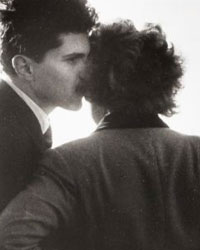
Steve Schapiro - Boy with Pepsi, Arkansas, 1961


01
day
14
hours
28
minutes
12
seconds

 | €11 | |
|---|---|---|
 | €4 | |
 | €3 |
Catawiki Buyer Protection
Your payment’s safe with us until you receive your object.View details
Trustpilot 4.4 | 142120 reviews
Rated Excellent on Trustpilot.
Description from the seller
Black-and-white digital printing with glossy lamination. Hot-surface lamination. Old copy of Misomex editing (machine for reproducing films or CTP files - Computer to Plate - to impose offset plates).
SERAG printer.
Format 14 x 21 cm, mounted on 24 x 30 cm cardboard.
Arkansas in the 1960s. A boy proudly holding his bottle of Pepsi. In 1961, at the age of 25, Steve Schapiro went to Arkansas to photograph a refugee camp. He later showed the photos to an editor of LIFE magazine. The migrants' difficult situation moved him: the exhausting work, the low wages, and above all the fate of migrant children, constantly on the move with little hope of receiving a decent education.
He spent four weeks in Arkansas and, upon returning to New York, after developing the film, found that his photographs conveyed what he hoped. A small Catholic magazine, Jubilee, published "The Migrants" as his first photographic report, devoting eight pages to it; and The New York Times chose one of the photos for the cover of its Magazine section.
Black-and-white digital printing with glossy lamination. Hot-surface lamination. Old copy of Misomex editing (machine for reproducing films or CTP files - Computer to Plate - to impose offset plates).
SERAG printer.
Format 14 x 21 cm, mounted on 24 x 30 cm cardboard.
Arkansas in the 1960s. A boy proudly holding his bottle of Pepsi. In 1961, at the age of 25, Steve Schapiro went to Arkansas to photograph a refugee camp. He later showed the photos to an editor of LIFE magazine. The migrants' difficult situation moved him: the exhausting work, the low wages, and above all the fate of migrant children, constantly on the move with little hope of receiving a decent education.
He spent four weeks in Arkansas and, upon returning to New York, after developing the film, found that his photographs conveyed what he hoped. A small Catholic magazine, Jubilee, published "The Migrants" as his first photographic report, devoting eight pages to it; and The New York Times chose one of the photos for the cover of its Magazine section.
Details
Artist
Steve Schapiro
Sold by
Owner or reseller
Title of artwork
Boy with Pepsi, Arkansas, 1961
Condition
Fine
Technique
Digital print
Height
14 cm
Width
21 cm
Signature
Not signed
Genre
Photojournalism