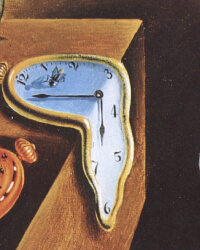
Maurice Henry (1907-1984) - 7 serigrafie surrealiste


04
days
22
hours
52
minutes
16
seconds
Current bid
€ 7
No reserve price

Expert
Selected by Silvia Possanza
Held senior specialist role at Finarte for 12 years, specialising in modern prints.
Estimate € 300 - € 400
 | €7 | |
|---|---|---|
 | €4 | |
| €1 |
Catawiki Buyer Protection
Your payment’s safe with us until you receive your object.View details
Trustpilot 4.4 | 141948 reviews
Rated Excellent on Trustpilot.
Maurice Henry, seven surrealist serigraphs, originals, printed in 1969, sheets 47 × 36 cm, all hand-signed in pencil and numbered on 39 copies.
AI-assisted summary
Description from the seller
Maurice Henry (Cambrai, December 20, 1907 – Milan, October 21, 1984), 7 original silkscreens printed in 1969 by Alberto Mazzotta Napoli. Sheets 47 x 36 cm. All signed in pencil and numbered on 39 copies. Auction without reserve!!!!
Maurice Henry (Cambrai, December 20, 1907 – Milan, October 21, 1984) was a French poet and painter. He was also active as a filmmaker, art critic and cinematographer, photographer, and humorous illustrator.
Biography
Born in northern France, he studied in Douai, Paris and Lille. In 1927 he settled in Paris, where he enrolled in the Faculty of Law. He came into contact with a group of young poets and philosophers, with whom he founded the movement ‘Grand Jeu’: the game was understood as the art of living. He collaborated with the magazines ‘Le Rouge et le Noir’ and ‘Paris Montparnasse’. He was in contact with Robert Desnos, frequented André Breton, Benjamin Péret, Louis Aragon, and later Roger Vitrac and Jacques Prévert. From 1928 he contributed texts, poems and drawings to the movement’s magazine ‘Grand Jeu’ and participated in the group’s exhibition at the Galerie Bonaparte in Paris. He worked as editor and reporter for various Parisian outlets, including Le Petit Journal, Cinemonde, Agence Haves, Revue du Cinéma, Pour Vous and Humanité.
In 1932, after the ‘Grand Jeu’ experience had run its course, he joined the Surrealist movement, contributing to its publications and participating in its exhibitions. His humor turned toward the uncanny and cruelty, increasingly derisive of the absurdity of daily life, of the tragic side of ordinary existence, which spirit and the unconscious rebel against, attempting to access the unseen. He met Salvador Dalí. He published poems and drawings in ‘Le Surréalisme au Service de la Révolution’.
In 1935 he was in Prague and took part in the surrealist exhibition in Santa Cruz de Tenerife. He also began collaborating with ‘Konkretion’ in Copenhagen. In 1936 he took part in the first exhibition of surrealist objects at the Paris gallery Galerie Charles Ratton with ‘Assemblage. Omaggio a Paganini’.
In 1939 he also began filmmaking, an activity that would last over sixteen years, during which he would oversee the scriptwriting of about twenty films. In 1949 he wrote and directed the film ‘Rondo sur la piste’.
In 1941 his first solo show opened in Paris, at Galerie La Peau de Chagrin: the presentation was by Jean Cocteau, the first buyer was Pablo Picasso.
From 1944 he collaborated with Albert Camus on the magazine ‘Combat’.
In 1949 he staged at Théâtre Antoine ‘Le petit café’ by Tristan Bernard.
He participated in all surrealist exhibitions, including the international one of 1947, at Galerie Maeght in Paris.
In 1951, due to matters related to internal group discipline, he and others left the surrealist movement, while continuing to practice its poetics, based on striking incongruous juxtapositions, dream, and psychic automatism.
In 1955 he also developed an interest in photography; his photographs were exhibited in New York, Rochester, Amsterdam and Milan. In 1957 he was elected member of the Jazz Academy, the Comité des programmes of the French radio and television, and the Académie Charles Cros for awarding record prizes. He spent a few months in Vallauris, where Picasso taught him to work with ceramics.
From 1960 he embraced ‘paper sculpture’.
In 1963 he designed sets and costumes for a ballet at the Opéra of Paris, an experience he repeated in 1966 at the Städtische Bühne in Heidelberg.
From 1968 he dedicated himself almost exclusively to painting, abandoning the activity of humorous illustrator. He settled in Milan. In Italy there were several important solo exhibitions: in Milan at Marconi and at Annunciata, in Venice at Il Traghetto, in Turin at Viotti; a wide retrospective was presented at the Sala Civica of the Municipality of Modena.
In 1972 he curated the volume ‘Graphic Anthology of Surrealism’ for the Mazzotta Editions of Milan.
In 1976 more than a hundred works were exhibited at the Palais des Beaux-Arts in Brussels.
He also became a television personality.
On October 21, 1984, a cardio-circulatory collapse cut him down in Milan, at the wheel of his car.
He is remembered in numerous exhibitions, solo and group, in various French and Italian cities, including the broad 2009 retrospective at Stelline in Milan, Galleria Gruppo Credito Valtellinese, curated by Dominique Stella with Guido Peruz. Elda Henry, the widow, plays a significant role in preserving the memory of the artist’s work.
Maurice Henry (Cambrai, December 20, 1907 – Milan, October 21, 1984), 7 original silkscreens printed in 1969 by Alberto Mazzotta Napoli. Sheets 47 x 36 cm. All signed in pencil and numbered on 39 copies. Auction without reserve!!!!
Maurice Henry (Cambrai, December 20, 1907 – Milan, October 21, 1984) was a French poet and painter. He was also active as a filmmaker, art critic and cinematographer, photographer, and humorous illustrator.
Biography
Born in northern France, he studied in Douai, Paris and Lille. In 1927 he settled in Paris, where he enrolled in the Faculty of Law. He came into contact with a group of young poets and philosophers, with whom he founded the movement ‘Grand Jeu’: the game was understood as the art of living. He collaborated with the magazines ‘Le Rouge et le Noir’ and ‘Paris Montparnasse’. He was in contact with Robert Desnos, frequented André Breton, Benjamin Péret, Louis Aragon, and later Roger Vitrac and Jacques Prévert. From 1928 he contributed texts, poems and drawings to the movement’s magazine ‘Grand Jeu’ and participated in the group’s exhibition at the Galerie Bonaparte in Paris. He worked as editor and reporter for various Parisian outlets, including Le Petit Journal, Cinemonde, Agence Haves, Revue du Cinéma, Pour Vous and Humanité.
In 1932, after the ‘Grand Jeu’ experience had run its course, he joined the Surrealist movement, contributing to its publications and participating in its exhibitions. His humor turned toward the uncanny and cruelty, increasingly derisive of the absurdity of daily life, of the tragic side of ordinary existence, which spirit and the unconscious rebel against, attempting to access the unseen. He met Salvador Dalí. He published poems and drawings in ‘Le Surréalisme au Service de la Révolution’.
In 1935 he was in Prague and took part in the surrealist exhibition in Santa Cruz de Tenerife. He also began collaborating with ‘Konkretion’ in Copenhagen. In 1936 he took part in the first exhibition of surrealist objects at the Paris gallery Galerie Charles Ratton with ‘Assemblage. Omaggio a Paganini’.
In 1939 he also began filmmaking, an activity that would last over sixteen years, during which he would oversee the scriptwriting of about twenty films. In 1949 he wrote and directed the film ‘Rondo sur la piste’.
In 1941 his first solo show opened in Paris, at Galerie La Peau de Chagrin: the presentation was by Jean Cocteau, the first buyer was Pablo Picasso.
From 1944 he collaborated with Albert Camus on the magazine ‘Combat’.
In 1949 he staged at Théâtre Antoine ‘Le petit café’ by Tristan Bernard.
He participated in all surrealist exhibitions, including the international one of 1947, at Galerie Maeght in Paris.
In 1951, due to matters related to internal group discipline, he and others left the surrealist movement, while continuing to practice its poetics, based on striking incongruous juxtapositions, dream, and psychic automatism.
In 1955 he also developed an interest in photography; his photographs were exhibited in New York, Rochester, Amsterdam and Milan. In 1957 he was elected member of the Jazz Academy, the Comité des programmes of the French radio and television, and the Académie Charles Cros for awarding record prizes. He spent a few months in Vallauris, where Picasso taught him to work with ceramics.
From 1960 he embraced ‘paper sculpture’.
In 1963 he designed sets and costumes for a ballet at the Opéra of Paris, an experience he repeated in 1966 at the Städtische Bühne in Heidelberg.
From 1968 he dedicated himself almost exclusively to painting, abandoning the activity of humorous illustrator. He settled in Milan. In Italy there were several important solo exhibitions: in Milan at Marconi and at Annunciata, in Venice at Il Traghetto, in Turin at Viotti; a wide retrospective was presented at the Sala Civica of the Municipality of Modena.
In 1972 he curated the volume ‘Graphic Anthology of Surrealism’ for the Mazzotta Editions of Milan.
In 1976 more than a hundred works were exhibited at the Palais des Beaux-Arts in Brussels.
He also became a television personality.
On October 21, 1984, a cardio-circulatory collapse cut him down in Milan, at the wheel of his car.
He is remembered in numerous exhibitions, solo and group, in various French and Italian cities, including the broad 2009 retrospective at Stelline in Milan, Galleria Gruppo Credito Valtellinese, curated by Dominique Stella with Guido Peruz. Elda Henry, the widow, plays a significant role in preserving the memory of the artist’s work.
Details
Artist
Maurice Henry (1907-1984)
Sold by
Owner or reseller
Edition
Limited edition
Title of artwork
7 serigrafie surrealiste
Technique
Silkscreen
Signature
Hand signed
Country of origin
Italy
Year
1969
Condition
Excellent condition
Height
47 cm
Width
36 cm
Style
Surrealism
Period
1960-1970
Sold with frame
No
Sold by