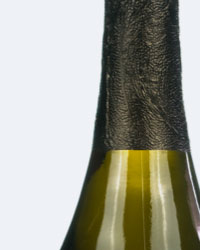
2006 Dom Pérignon - Champagne Brut, Rosé - 1 Bottle (0.75L)


06
days
01
hour
25
minutes
22
seconds
Current bid
€ 135
Reserve price not met

Expert
Selected by Patricia Verschelling
Holds WSET Level 3 and 4, Vinoloog degree; auction house wine expert since 2004.
Estimate € 300 - € 400
 | €135 | |
|---|---|---|
| €3 | |
| €2 | |
Catawiki Buyer Protection
Your payment’s safe with us until you receive your object.View details
Trustpilot 4.4 | 142460 reviews
Rated Excellent on Trustpilot.
Dom Pérignon Rosé Brut Champagne, vintage 2006, in a 0.75 L bottle from France.
AI-assisted summary
Description from the seller
Tasting Notes
Nose: Mature, deep, and captivating. It opens with dark, warm notes of sweet spices, cocoa, and toasted hints, before evolving into intense fruity aromas of dried fig, dried apricot, candied orange peel, and a subtle touch of smokiness.
Palate: Structured, expansive, and enveloping. It delivers a dynamic balance between fruit sweetness and vibrant acidity. The texture is silky and rich, supported by a dense weave, a mineral/saline edge, and hints of aromatic herbs and Mediterranean scrub.
Finish: Remarkably long and persistent, with an iodine note and an elegant, subtle botanical touch.
Critical Scores (2006 Vintage)
Antonio Galloni (Vinous): 97 / 100
Wine Spectator: 96 / 100
Robert Parker (Wine Advocate): 95 / 100
James Suckling: 95 / 100
Natalie MacLean: 97 / 100
History of the House and Dom Pérignon
The Historical Figure: The line is named after Pierre Pérignon, a 17th-century Benedictine monk at the Abbey of Hautvillers near Épernay. He is credited with several fundamental innovations in Champagne winemaking, such as blending grape varieties and perfecting bubble control and cork closures.
• The Birth of the Prestige Cuvée: Although historically linked to the Abbey, the brand belongs to the renowned House of Moët & Chandon (LVMH group). The first Dom Pérignon vintage was produced in 1921 (released in 1936) as the very first "Prestige Cuvée" in the history of Champagne.
• The Vintage Philosophy: Dom Pérignon produces exclusively vintage champagnes made only from grapes harvested in exceptional years. If a vintage does not meet the House's rigorous standards, no wine is produced. The Rosé version (introduced in the 1960s) represents the House's most daring and rare expression, putting the strength and structure of red-vinified Pinot Noir front and center.
Tasting Notes
Nose: Mature, deep, and captivating. It opens with dark, warm notes of sweet spices, cocoa, and toasted hints, before evolving into intense fruity aromas of dried fig, dried apricot, candied orange peel, and a subtle touch of smokiness.
Palate: Structured, expansive, and enveloping. It delivers a dynamic balance between fruit sweetness and vibrant acidity. The texture is silky and rich, supported by a dense weave, a mineral/saline edge, and hints of aromatic herbs and Mediterranean scrub.
Finish: Remarkably long and persistent, with an iodine note and an elegant, subtle botanical touch.
Critical Scores (2006 Vintage)
Antonio Galloni (Vinous): 97 / 100
Wine Spectator: 96 / 100
Robert Parker (Wine Advocate): 95 / 100
James Suckling: 95 / 100
Natalie MacLean: 97 / 100
History of the House and Dom Pérignon
The Historical Figure: The line is named after Pierre Pérignon, a 17th-century Benedictine monk at the Abbey of Hautvillers near Épernay. He is credited with several fundamental innovations in Champagne winemaking, such as blending grape varieties and perfecting bubble control and cork closures.
• The Birth of the Prestige Cuvée: Although historically linked to the Abbey, the brand belongs to the renowned House of Moët & Chandon (LVMH group). The first Dom Pérignon vintage was produced in 1921 (released in 1936) as the very first "Prestige Cuvée" in the history of Champagne.
• The Vintage Philosophy: Dom Pérignon produces exclusively vintage champagnes made only from grapes harvested in exceptional years. If a vintage does not meet the House's rigorous standards, no wine is produced. The Rosé version (introduced in the 1960s) represents the House's most daring and rare expression, putting the strength and structure of red-vinified Pinot Noir front and center.
Details
Vintage
2006
Producer
Dom Pérignon
Classification
Brut, Rosé
Number of bottles
1
Bottle size
Bottle (0.75L)
Country of origin
France
Region
Champagne