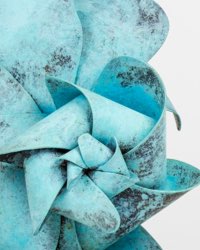
Anton Heyboer (1924-2005) - Symbool van de onschuld


04
days
19
hours
55
minutes
03
seconds

No bids placed
Catawiki Buyer Protection
Your payment’s safe with us until you receive your object.View details
Trustpilot 4.4 | 142553 reviews
Rated Excellent on Trustpilot.
Anton Heyboer, Symbool van de onschuld, a mixed-media original artwork from the 1980s, 80 × 107 cm, Netherlands, abstract, hand-signed, in good condition, edition Origineel, sold by Galerie.
AI-assisted summary
Description from the seller
Anton Heyboer (1924 – 2005) was a Dutch painter and etcher. He lived with four women in a commune in Den Ilp (Landsmeer). The 'fifth' woman was his art dealer across the way. Heyboer was born in Sabang, on the Indonesian island of Pulau Weh (north of Sumatra), the son of a mechanical engineer. Five months after his birth the family moved to Haarlem, in 1925 to Delft, in 1929 to Voorburg and from 1933 to 1938 the family lived in Curaçao. After that there was another stay in New York. Heyboer trained as a mechanical engineer. Even before the outbreak of World War II the family returned to Haarlem. In 1943 Heyboer was arrested by the Germans in the context of the Arbeitseinsatz and transferred to a transit camp for foreign forced labor in Prenzlauer Berg (Berlin). He managed to escape and fled traumatized to the Netherlands, where he hid in Vinkeveen and performed agricultural labor.
Viewing is of course possible. In addition we have our own in-house framers, celebrating their 85th anniversary year. Furthermore we use restorers from the professional association: 'Restauratoren Nederland'. If you would like to make use of this, of course we would be happy to hear from you.
Seller's Story
About Art Dumay
Art Dumay is a professional art company in Nuenen, the Netherlands, with over 25 years of experience in buying, selling and valuing fine art.
We offer a carefully selected range of modern, contemporary and classical artworks to collectors worldwide.
Every artwork is professionally assessed, securely stored and carefully packed for shipment. We use appropriate protective materials and specialised transport solutions where needed.
With expertise, reliability and personal service at the heart of our business, we aim to make buying art online safe, transparent and enjoyable.
Art Dumay — from our collection to yours.
Translated by Google TranslateAnton Heyboer (1924 – 2005) was a Dutch painter and etcher. He lived with four women in a commune in Den Ilp (Landsmeer). The 'fifth' woman was his art dealer across the way. Heyboer was born in Sabang, on the Indonesian island of Pulau Weh (north of Sumatra), the son of a mechanical engineer. Five months after his birth the family moved to Haarlem, in 1925 to Delft, in 1929 to Voorburg and from 1933 to 1938 the family lived in Curaçao. After that there was another stay in New York. Heyboer trained as a mechanical engineer. Even before the outbreak of World War II the family returned to Haarlem. In 1943 Heyboer was arrested by the Germans in the context of the Arbeitseinsatz and transferred to a transit camp for foreign forced labor in Prenzlauer Berg (Berlin). He managed to escape and fled traumatized to the Netherlands, where he hid in Vinkeveen and performed agricultural labor.
Viewing is of course possible. In addition we have our own in-house framers, celebrating their 85th anniversary year. Furthermore we use restorers from the professional association: 'Restauratoren Nederland'. If you would like to make use of this, of course we would be happy to hear from you.
Seller's Story
About Art Dumay
Art Dumay is a professional art company in Nuenen, the Netherlands, with over 25 years of experience in buying, selling and valuing fine art.
We offer a carefully selected range of modern, contemporary and classical artworks to collectors worldwide.
Every artwork is professionally assessed, securely stored and carefully packed for shipment. We use appropriate protective materials and specialised transport solutions where needed.
With expertise, reliability and personal service at the heart of our business, we aim to make buying art online safe, transparent and enjoyable.
Art Dumay — from our collection to yours.
Translated by Google TranslateDetails
Artist
Anton Heyboer (1924-2005)
Sold with frame
No
Sold by
Gallery
Edition
Original
Title of artwork
Symbool van de onschuld
Technique
Mixed media
Signature
Hand signed
Country of origin
Netherlands
Condition
Good condition
Height
80 cm
Width
107 cm
Style
Abstract
Period
1980-1990