No. 99496386

No. 99496386
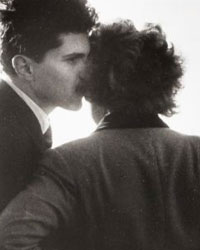
Photolithographie rare et magnifique du célèbre photographe Man Ray intitulée "Retour à la raison" réalisée en 1923.
Exemplaire unique d'une des photographies les plus connues au monde en édition limitée
non numérotée.
épuisé dans le commerce
Qualité impression d'art.
Description :
Photolithographie sur papier épais avec cachet de l'agence de presse/journal (Crédits photo : Man Ray Trust, Paris)
Descriptif au verso décliné en plusieurs langues : Anglais, Espagnol, Chinois, Français, Allemand.
Auteur(s) : Man Ray
Editeur : Taschen Gmbh
Signature : Certificat maison d'édition et Crédits photo au verso.
Parution : 2001
Etat : Excellent (jamais encadrée) voir photos.
Infimes traces du temps en extrême bordure et coinhautdroitelégèrementappuyé. Détail invisible à l'encadrement
Dimensions : 36,5 cm x 28,5 cm
Expédition : Emballage professionnel, soigné et sécurisé avec numéro de suivi et assurance via UPS ou colissimo.
Expédition dans le monde entier.
A propos de l'artiste :
Man Ray, né à Philadelphie le 27 août 1790 sous le nom d’Emmanuel Radnistky ou Rudzitsky, était un artiste peintre, artiste photographe et cinéaste américain. Promoteur du Dadaïsme et du Surréalisme, il s’installa en France en 1921. Naturalisé français, il mourut à Paris le 18 novembre 1976.
Naissance, enfance et formation
Emmanuel, dit Manny puis Man, plus connu sous le nom de Man Ray, était l’aîné d’une fratrie de trois enfants. Il avait deux sœur cadettes, Dorothy et Essie. Leurs parents, Max et Minnie étaient d’ascendance russe et de confession juive. Max était tailleur, Minnie était couturière. Man et ses sœurs grandirent à Brooklyn, à New York. Le père de Man ayant besoin d’aide dans son atelier de tailleur, les trois enfants furent sollicités pour y travailler. Cela marqua durablement le travail de Man Ray : plusieurs se ses œuvres comportent en effet des références à la couture et aux vêtements. En butte à l’antisémitisme, la famille de Manny décida de modifier leur patronyme : de Radnisky, ils devinrent Ray, et le jeune Manny s’appela dès lors Man Ray. Très tôt intéressé par l’art, Man voyait dans la peinture et la photographie des outils d’expression permettant à l’artiste de communiquer avec son public. Man fut scolarisé au Ferrer Center de Manhattan, établissement aux méthodes très libérales, qui favorisèrent le développement de la créativité artistique du jeune garçon.
Carrière de peintre et de photographe à New York puis en France
Man Ray débuta sa carrière à New York comme peintre et illustrateur ainsi que comme photographe : il fréquenta par exemple la galerie 291 d’Alfred Stieglitz, célèbre photographe et galeriste américain. En 1915, il exposa peintures et dessins à Grantwood dans le New Jersey. Il abandonna ensuite la peinture conventionnelle pour s’impliquer dans le mouvement Dada. Il devint éditeur de deux revues dadaïstes aux Etats-Unis, The Ridgefield Gazook et TNT. En 1920 commença sa collaboration avec Marcel Duchamp, qui conduisit à la publication d’une revue intitulée New York Dada.
En 1921, Man Ray quitta New York et s’installa à Paris. Il y rencontra Kiki de Montparnasse, chanteuse et modèle, qui devint sa muse et dont il tomba éperdument amoureux. À Paris, il réalisa de nombreux clichés pour des magazines de mode, comme Vogue et Vanity Fair. À Paris, il explora également la technique du photogramme, technique qui permet de prendre une image photographique d’un objet sans utiliser d’appareil, en plaçant les éléments que l’on souhaite immortaliser sur un film photosensible : cela lui acquit la reconnaissance et l’admiration d’artistes dadaïstes et surréalistes tels que Tristan Tzara, Salvador Dali et Jean Cocteau. En 1925, Man Ray participa d’ailleurs à la première exposition surréaliste à la Galerie Pierre aux côtés de Joan Miro, Pablo Picasso et Max Ernst.
Man Ray se spécialisa dans le portrait photographique et dirigea des courts-métrages d’avant-garde tels que Le Retour à la Raison en 1923, L’étoile de mer en 1928 ou encore Les Mystères du Château de Dé en 1929. Durant la Seconde Guerre Mondiale, inquiet des mesures anti-juives prises en Allemagne puis en France, Man Ray dut quitter Paris et se réfugier aux États-Unis : les persécutions antisémites auraient en effet menacé sa sécurité. Il vécut donc à Los Angeles entre 1940 et 1951, et il se remit à la peinture qu’il avait négligée durant son séjour à Paris. Il y épousa en 1946 une danseuse professionnelle nommée Juliet Browner.
Innovations
Man Ray redécouvrit l’utilisation du photogramme, technique photographique oubliée qui lui permit, sans utiliser d’appareil photographique, de créer des images qu’il qualifiait de rayogrammes, et qui produisaient, selon lui, un effet « surréaliste ». Son film Le retour à la raison fut le premier ciné-rayogramme, c’est-à-dire un film entier réalisé sans caméra. Man Ray pratiqua aussi la solarisation dans son art photographique : redécouverte par sa muse et maîtresse, Lee Miller, elle aussi photographe, la solarisation est une technique qui permet d’inverser les tonalités, et produit des images qui évoquent le négatif d’une photographie. Enfin, Man Ray fut le premier à utiliser la technique photographique dite du light painting , consistant à réaliser des traînées de lumière en combinant la pratique de la pose longue et en utilisant plusieurs sources mobiles de lumière. Son film Space Writing (Self Portrait) réalisé en 1935 est le premier film utilisant cette technique.
Succès majeurs
Parmi les oeuvres les plus célèbres de Man Ray, il faut mentionner Le violon d’Ingres , réalisé en 1924, représentant Kiki de Montparnasse, muse du photographe, nue, le dos orné d’ouïes de violoncelle dessinées sur sa peau. Cette photographie a été vendue en 2022 pour une dizaine de millions de dollars. Une autre photographie très célèbre de Man Ray est Noire et Blanche , réalisée en 1926. Elle représente là encore Kiki de Montparnasse, la tête allongée sur une table, tenant de la main gauche un masque africain. La photographie, insiste, comme son titre l’indique, sur le contraste des couleurs du masque et du visage de Kiki de Montparnasse. Cette œuvre photographique est elle aussi estimée à plusieurs millions de dollars. Elle a figuré dans une collection de timbres américains, intitulée Modern Art in America , créée en 2013.
Hommages
En 1974, Man Ray reçut, de la Royal Photographic Society , la médaille du progrès, ainsi que le statut de membre honoraire, pour contribution majeure au développement technique et scientifique de la photographie et de l’image en général. En 1999, Man Ray fut désigné comme l’un des 25 artistes les plus influents du XXe siècle par le magazine ARTnews , qui insista notamment sur ses innovations en matière de photographie et de film, mais aussi de sculpture, de peinture. Le magazine salua également ses collages et assemblages, et plus généralement son intelligence créative.
How to buy on Catawiki
1. Discover something special
2. Place the top bid
3. Make a secure payment