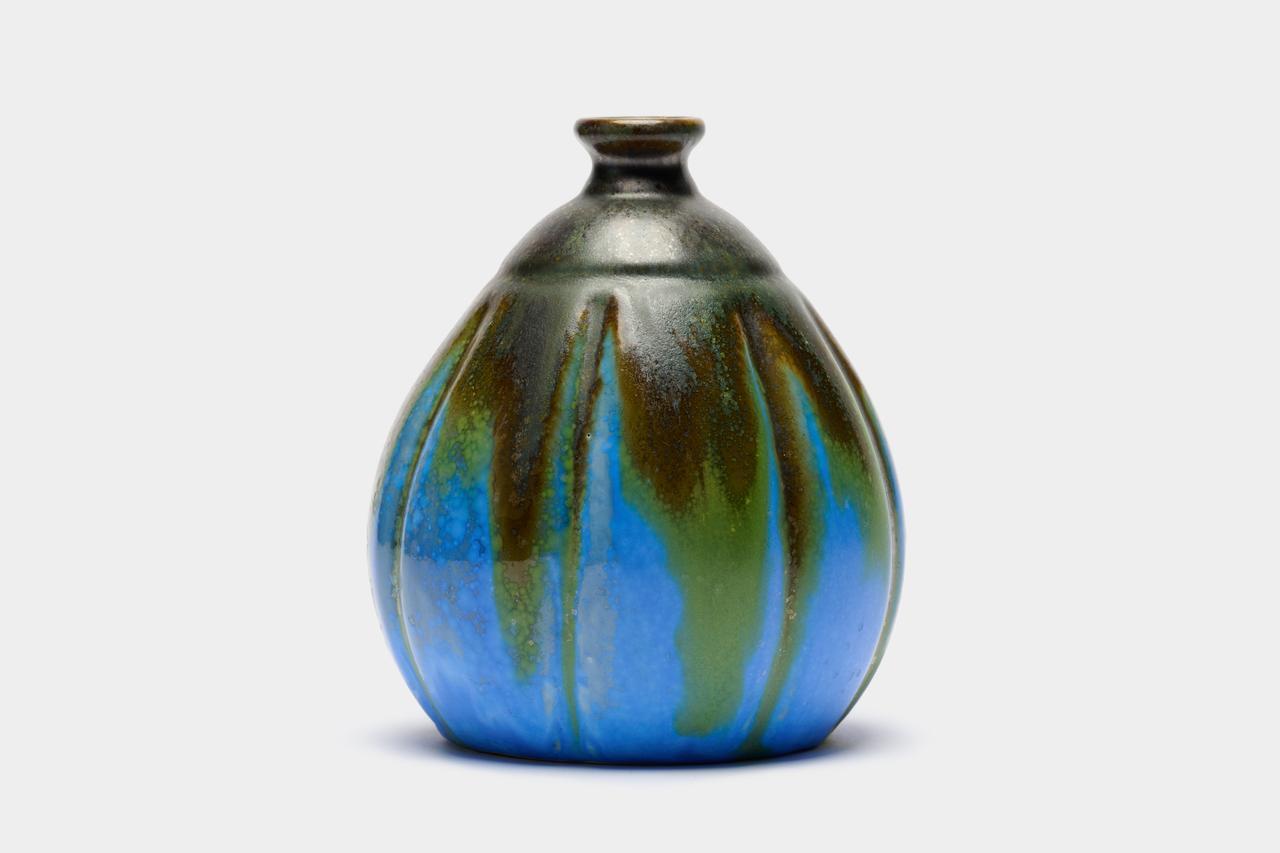
Vaas - Uraniumglas - Uranium Opaline Glass Vas


Startbod
€ 1
Markeer als favoriet om een melding te krijgen wanneer de veiling begint.

Expert
Geselecteerd door Jeroen Zoetmulder
Meer dan 30 jaar ervaring in archeologie; beëdigd taxateur gespecialiseerd in archeologie.
Geschatte waarde € 150 - € 200
Catawiki Kopersbescherming
Je betaling is veilig bij ons totdat je het object hebt ontvangen.Bekijk details
Trustpilot 4.4 | 142216 reviews
Beoordeeld als "Uitstekend" op Trustpilot.
Beschrijving van de verkoper
Antique uranium opaline glass vase with royal portrait
A striking late 19th-century opaline glass vase, decorated with a finely rendered portrait of a young princely or royal figure.
The vase is executed in an opaque ivory-coloured opaline glass and decorated with an elaborate combination of painted/gilt ornament and a central portrait medallion. The historical costume, broad hat and sash give the portrayed figure a distinctly aristocratic and princely appearance.
A particularly remarkable feature of this piece is its uranium-containing glass. Under ultraviolet light the glass produces a strong and spectacular green fluorescence, as shown in the accompanying photographs. The contrast between the softly opaque glass in daylight and the intense green fluorescence under UV light makes this an especially interesting object for collectors of antique opaline and uranium glass.
The central image appears to depict a young European prince or nobleman in historical dress. The portrait has been tentatively associated with representations of Prince Charles Edward Stuart (1720–1788), better known as Bonnie Prince Charlie or the Young Pretender, although this identification cannot be confirmed from the vase alone.
Charles Edward Stuart was the grandson of the deposed King James II and became one of the most recognisable figures associated with the Jacobite cause. Numerous portraits and printed reproductions of the young prince circulated during and after his lifetime, making royal and historical portrait imagery an attractive subject for decorative objects in the 19th century.
The attribution of the portrait should therefore be regarded as tentative rather than definitive.
The vase belongs stylistically to the tradition of European 19th-century opaline glass, with French production being a particularly interesting possibility.
Baccarat is known to have produced highly decorative opaline glass during the 19th century, including blown, painted and gilt opaline vases. Museum examples demonstrate the importance of portraiture and elaborate painted decoration in the French opaline tradition.
Comparable antique French opaline portrait vases with uranium fluorescence have also appeared on the collectors' market. However, no manufacturer's mark is visible on the present vase, so an attribution to Baccarat cannot be considered proven.
The piece is therefore best described as French opaline glass, possibly Baccarat or produced in the Baccarat tradition, dating approximately to the late 19th century.
The UV photographs included in this lot document this unusual characteristic.
The vase is offered in antique condition. Minor manufacturing irregularities and signs of age may be present and should be considered part of the character of an antique glass object. However it is no visible damage at all.
Antique uranium opaline glass vase with royal portrait
A striking late 19th-century opaline glass vase, decorated with a finely rendered portrait of a young princely or royal figure.
The vase is executed in an opaque ivory-coloured opaline glass and decorated with an elaborate combination of painted/gilt ornament and a central portrait medallion. The historical costume, broad hat and sash give the portrayed figure a distinctly aristocratic and princely appearance.
A particularly remarkable feature of this piece is its uranium-containing glass. Under ultraviolet light the glass produces a strong and spectacular green fluorescence, as shown in the accompanying photographs. The contrast between the softly opaque glass in daylight and the intense green fluorescence under UV light makes this an especially interesting object for collectors of antique opaline and uranium glass.
The central image appears to depict a young European prince or nobleman in historical dress. The portrait has been tentatively associated with representations of Prince Charles Edward Stuart (1720–1788), better known as Bonnie Prince Charlie or the Young Pretender, although this identification cannot be confirmed from the vase alone.
Charles Edward Stuart was the grandson of the deposed King James II and became one of the most recognisable figures associated with the Jacobite cause. Numerous portraits and printed reproductions of the young prince circulated during and after his lifetime, making royal and historical portrait imagery an attractive subject for decorative objects in the 19th century.
The attribution of the portrait should therefore be regarded as tentative rather than definitive.
The vase belongs stylistically to the tradition of European 19th-century opaline glass, with French production being a particularly interesting possibility.
Baccarat is known to have produced highly decorative opaline glass during the 19th century, including blown, painted and gilt opaline vases. Museum examples demonstrate the importance of portraiture and elaborate painted decoration in the French opaline tradition.
Comparable antique French opaline portrait vases with uranium fluorescence have also appeared on the collectors' market. However, no manufacturer's mark is visible on the present vase, so an attribution to Baccarat cannot be considered proven.
The piece is therefore best described as French opaline glass, possibly Baccarat or produced in the Baccarat tradition, dating approximately to the late 19th century.
The UV photographs included in this lot document this unusual characteristic.
The vase is offered in antique condition. Minor manufacturing irregularities and signs of age may be present and should be considered part of the character of an antique glass object. However it is no visible damage at all.
Details
Era
1400-1900
Subtype stijl
Victoriaans
Glassoort
Uraniumglas
Specifieke regio van oorsprong
Bohemia
Titel aanvullende informatie
Uranium Opaline Glass Vase
Land van herkomst
Frankrijk
Materiaal
Glas
Stijl
Antiek
Kleur
Beige
Staat
Goede staat - gebruikt met kleine tekenen van ouderdom en vlekjes
Hoogte
11 cm
Breedte
5 cm
Diepte
5 cm
Geschatte periode
1850-1900
Verkocht door