Nr 99005660

Inte längre tillgänglig
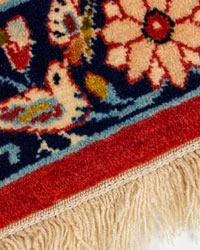
Slutet av 1800-talet Richelieu bordstäcke 1 m x 1 m. Med 4 servetter med initialerna R.B. - Textil  - 1 m - 1 m
Budgivning avslutad
4 veckor sedan

Slutet av 1800-talet Richelieu bordstäcke 1 m x 1 m. Med 4 servetter med initialerna R.B. - Textil - 1 m - 1 m

This is a superb example of Richelieu table linen. The piece is in excellent condition which is rare as it is fragile. Ideal either as a small side table cover or better even as a centre piece for a dining room table setting with a contrast fabric under it to show its beauty. The 4 napkins with R.B. initials are included, measuring 53cmx60cm. During the Renaissance, due to its beauty, this embroidery quickly won the hearts of all European nobility. "Richelieu" lace was highly valued and was the main technique in the manufacture of luxurious collars, frills, cuffs, gloves and handkerchiefs. Embroidery was a privilege of the nobility and decorated table and bed linen. "Richelieu" is a type of openwork embroidery in which the main elements of the pattern are sewn with smooth stitch (by hand or on a sewing machine), and the gaps between them are cut out, creating lace. In this case, individual elements of the pattern can be connected by jumpers or braids, which makes beautiful lace. Openwork embroidery usually uses plant motifs: very often elegant flower petals and other plant ornaments, for example, grapes or ivy, are depicted. The history of Richelieu embroidery dates back several centuries. It is believed that this embroidery technique originated in the 14th century during the Renaissance in Italy, during the reign of the famous Medici dynasty. However, the first mention of it is found in the chronicles of the 12th century, when this embroidery was created by nuns and kept secret from the general public. In those days, this embroidery was used for the clothing of clergy and on fabrics for saints. This type of needlework was an exclusively aristocratic occupation due to the high prices of tools and fabrics. "Richelieu" was popular among court ladies: this embroidery decorated their dresses, furniture, bed linen, and handkerchiefs. Modern life of the "Richelieu"... In the 21st century, lace decoration looks elegant and modern. Today, embroidery in the Richelieu technique is experiencing another renaissance, decorating dresses by famous designers. An example of the integration of this embroidery into high fashion is one of the collections of the American fashion designer Oscar de la Renta. Almost all the outfits created by the famous designer contain elements of this embroidery, which allows things to look both luxurious and traditional.

Nr 99005660

Inte längre tillgänglig
Slutet av 1800-talet Richelieu bordstäcke 1 m x 1 m. Med 4 servetter med initialerna R.B. - Textil  - 1 m - 1 m

Slutet av 1800-talet Richelieu bordstäcke 1 m x 1 m. Med 4 servetter med initialerna R.B. - Textil - 1 m - 1 m


This is a superb example of Richelieu table linen.
The piece is in excellent condition which is rare as it is fragile.
Ideal either as a small side table cover or better even as a centre piece
for a dining room table setting with a contrast fabric under it to show its beauty.
The 4 napkins with R.B. initials are included, measuring 53cmx60cm.

During the Renaissance, due to its beauty, this embroidery quickly won the hearts of all European nobility. "Richelieu" lace was highly valued and was the main technique in the manufacture of luxurious collars, frills, cuffs, gloves and handkerchiefs. Embroidery was a privilege of the nobility and decorated table and bed linen.
"Richelieu" is a type of openwork embroidery in which the main elements of the pattern are sewn with smooth stitch (by hand or on a sewing machine), and the gaps between them are cut out, creating lace. In this case, individual elements of the pattern can be connected by jumpers or braids, which makes beautiful lace.
Openwork embroidery usually uses plant motifs: very often elegant flower petals and other plant ornaments, for example, grapes or ivy, are depicted.
The history of Richelieu embroidery dates back several centuries. It is believed that this embroidery technique originated in the 14th century during the Renaissance in Italy, during the reign of the famous Medici dynasty. However, the first mention of it is found in the chronicles of the 12th century, when this embroidery was created by nuns and kept secret from the general public. In those days, this embroidery was used for the clothing of clergy and on fabrics for saints.
This type of needlework was an exclusively aristocratic occupation due to the high prices of tools and fabrics. "Richelieu" was popular among court ladies: this embroidery decorated their dresses, furniture, bed linen, and handkerchiefs.

Modern life of the "Richelieu"...
In the 21st century, lace decoration looks elegant and modern. Today, embroidery in the Richelieu technique is experiencing another renaissance, decorating dresses by famous designers. An example of the integration of this embroidery into high fashion is one of the collections of the American fashion designer Oscar de la Renta.
Almost all the outfits created by the famous designer contain elements of this embroidery, which allows things to look both luxurious and traditional.


Budgivning avslutad
Gabriele Minelli
Expert
Uppskattat pris  € 180 - € 220

Liknande objekt

För dig i

Mattor och hemtextilier

Skapa en sökbevakning
Skapa en sökbevakning för att få ett meddelande när nya matchningar är tillgängliga.

Detta objekt förekom i


Hur du köper på Catawiki

Läs mer om vårt Köparskydd

      1. Upptäck något speciellt

      Bläddra bland tusentals speciella objekt som valts ut av experter. Se foton, detaljer och uppskattat värde för varje speciellt objekt. 

      2. Lägg det högsta budet

      Hitta något du älskar och lägg det högsta budet. Du kan följa auktionen till slutet eller låta vårt system sköta budgivningen åt dig. Allt du behöver göra är att ställa in ett bud på det maximala belopp du vill betala. 

      3. Gör en säker betalning

      Betala för ditt speciella objekt så håller vi din betalning säker tills det anländer välbehållet. Vi använder ett pålitligt betalningssystem för att hantera alla transaktioner. 

Har du något liknande att sälja?

Oavsett om du är ny på onlineauktioner eller säljer professionellt kan vi hjälpa dig att tjäna mer på dina speciella föremål.

Sälj ditt objekt