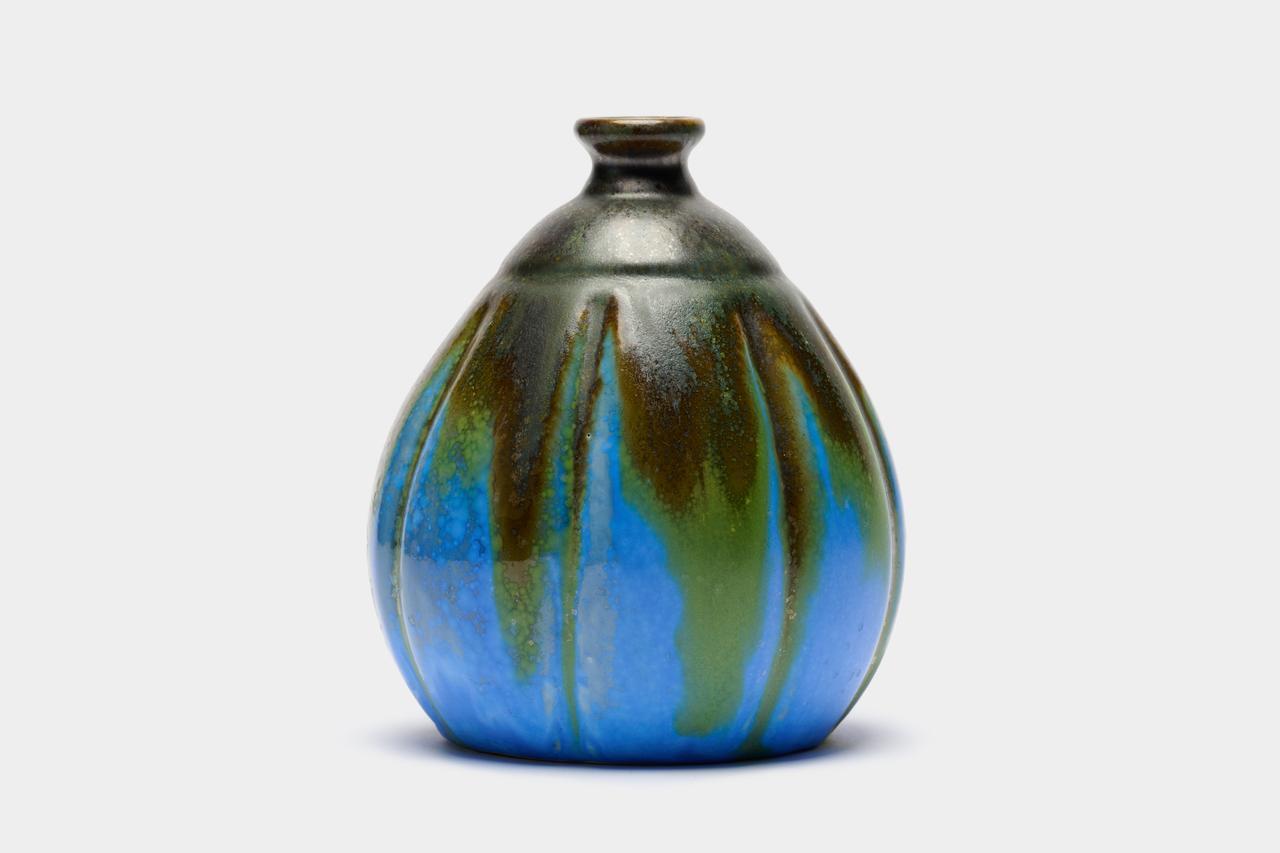
Schnupftabakflasche (15) - Glas - Collection


Käuferschutz auf Catawiki
Ihre Zahlung wird von uns sicher verwahrt, bis Sie Ihr Objekt erhalten.Details ansehen
Trustpilot 4.4 | 126370 Bewertungen
Auf Trustpilot als hervorragend bewertet.
Fünfzehn Glas-Snuffflaschen aus Deutschland, datiert 1950–1980, in gutem Zustand mit leichten Alterungsspuren, je 11 cm hoch, 9 cm breit und 3 cm tief, aus einer Sammlung.
Vom Verkäufer bereitgestellte Beschreibung
This curated assembly of fifteen glass snuff bottles offers a captivating survey of glassmaking virtuosity, bridging the gap between historical utility and the creative panache of the 20th century. The collection showcases a diverse range of forms, drawing stylistic inspiration from the great European traditions—from the master ateliers of Murano to the refined artistry of Bohemian glassworks. Each piece stands as a self-contained objet de vertu, translating the aesthetic rigor of a bygone era into a modern glass medium.
The technical breadth of the group is particularly noteworthy, revealing a sophisticated command of traditional furnace techniques. Several bottles feature the intricate Filigrana and Zanfirico methods, where delicate, latticed glass canes are fused within the body to create a rhythmic, textile-like appearance. These are complemented by examples executed in the Bullicante style, characterized by a controlled pattern of air bubbles that lend the glass an organic, suspended vitality. Furthermore, the inclusion of cased glass with precision-cut facets demonstrates a high level of lapidary skill; by cutting through layers of contrasting color, the artisan creates geometric apertures that invite a sophisticated play of light. Fine enamel-painted floral motifs on opaque grounds provide a graceful nod to the naturalist traditions of classical prototypes.
Culturally, the snuff bottle occupies a unique niche in the decorative arts. While the snuff box (tabatière) was the standard in Western Europe, the bottle form reached its zenith during China’s Qing Dynasty as the ultimate status symbol for the elite. Beyond its practical advantage in preserving the tobacco’s volatile aromas, the snuff bottle was designed as a sensory experience. Often referred to as "hand-pieces," these objects reveal their true character through touch—the cool weight of the glass and the subtle variations in surface texture are as essential to their appreciation as their visual appeal.
Reflecting the spirit of the mid-to-late 20th century, these particular interpretations are somewhat bolder in color and volume than their antique predecessors, yet they retain that essential sense of "preciousness in miniature." Presented in excellent condition, this collection serves as a representative cross-section of high-end glasswork, offering the discerning collector a chance to study the nuances of historical glassmaking techniques through a contemporary lens.
Provenance:
Acquired in Germany during the period of 1960 to 1980, thereafter kept in a private collection.
About the seller:
As a private seller, I primarily present curated selections from an inherited collection through Catawiki. With a profound respect for the provenance of each item, I endeavor to ensure their transition to discerning new custodians. To safeguard these pieces during transit, I employ robust packaging materials, some of which are procured specifically for this purpose. Consequently, the shipping fees encompass the DHL charges, along with a modest provision for the specialized packaging utilized. While this provision often does not fully cover the cost of the materials, I consider robust packaging essential to ensuring your acquisition arrives safely. Should you require any further information regarding the objects or the shipping process, please do not hesitate to contact me.
It is my sincere hope that the items offered will bring you as much pleasure as they afforded their previous owner. This would be a most gratifying outcome.
This curated assembly of fifteen glass snuff bottles offers a captivating survey of glassmaking virtuosity, bridging the gap between historical utility and the creative panache of the 20th century. The collection showcases a diverse range of forms, drawing stylistic inspiration from the great European traditions—from the master ateliers of Murano to the refined artistry of Bohemian glassworks. Each piece stands as a self-contained objet de vertu, translating the aesthetic rigor of a bygone era into a modern glass medium.
The technical breadth of the group is particularly noteworthy, revealing a sophisticated command of traditional furnace techniques. Several bottles feature the intricate Filigrana and Zanfirico methods, where delicate, latticed glass canes are fused within the body to create a rhythmic, textile-like appearance. These are complemented by examples executed in the Bullicante style, characterized by a controlled pattern of air bubbles that lend the glass an organic, suspended vitality. Furthermore, the inclusion of cased glass with precision-cut facets demonstrates a high level of lapidary skill; by cutting through layers of contrasting color, the artisan creates geometric apertures that invite a sophisticated play of light. Fine enamel-painted floral motifs on opaque grounds provide a graceful nod to the naturalist traditions of classical prototypes.
Culturally, the snuff bottle occupies a unique niche in the decorative arts. While the snuff box (tabatière) was the standard in Western Europe, the bottle form reached its zenith during China’s Qing Dynasty as the ultimate status symbol for the elite. Beyond its practical advantage in preserving the tobacco’s volatile aromas, the snuff bottle was designed as a sensory experience. Often referred to as "hand-pieces," these objects reveal their true character through touch—the cool weight of the glass and the subtle variations in surface texture are as essential to their appreciation as their visual appeal.
Reflecting the spirit of the mid-to-late 20th century, these particular interpretations are somewhat bolder in color and volume than their antique predecessors, yet they retain that essential sense of "preciousness in miniature." Presented in excellent condition, this collection serves as a representative cross-section of high-end glasswork, offering the discerning collector a chance to study the nuances of historical glassmaking techniques through a contemporary lens.
Provenance:
Acquired in Germany during the period of 1960 to 1980, thereafter kept in a private collection.
About the seller:
As a private seller, I primarily present curated selections from an inherited collection through Catawiki. With a profound respect for the provenance of each item, I endeavor to ensure their transition to discerning new custodians. To safeguard these pieces during transit, I employ robust packaging materials, some of which are procured specifically for this purpose. Consequently, the shipping fees encompass the DHL charges, along with a modest provision for the specialized packaging utilized. While this provision often does not fully cover the cost of the materials, I consider robust packaging essential to ensuring your acquisition arrives safely. Should you require any further information regarding the objects or the shipping process, please do not hesitate to contact me.
It is my sincere hope that the items offered will bring you as much pleasure as they afforded their previous owner. This would be a most gratifying outcome.